561-964-5200

Orthodontists play a crucial role in the field of dental care, specializing in diagnosing, preventing, and correcting misaligned teeth and jaws. Unlike general dentists, who focus on overall oral health, orthodontists are trained to handle complex bite issues, jaw misalignments, and irregularities in tooth positioning. Let’s dive deeper into the primary services provided by an orthodontist and how their specialized care can improve both function and aesthetics.
What Does an Orthodontist Do?
Orthodontists are dental specialists who undergo additional years of education beyond dental school to become experts in diagnosing and treating misalignments. Their expertise includes correcting crooked teeth, spacing issues, overbites, underbites, and other irregularities. The primary service provided by an orthodontist revolves around creating a straight, functional smile that boosts both oral health and self-confidence.
1. Diagnosing Misalignment Issues
The first step in orthodontic care is diagnosis. Orthodontists use various diagnostic tools such as X-rays, photographs, and dental impressions to assess the alignment of teeth and the jaw. They analyze the structure of your bite, identifying any potential issues that could cause problems if left untreated.
2. Developing a Customized Treatment Plan
Every patient’s orthodontic needs are unique. After diagnosing the specific issue, an orthodontist creates a personalized treatment plan tailored to the individual’s needs. This plan outlines the best course of action, whether it involves traditional braces, clear aligners, or other orthodontic appliances. The goal is to correct the alignment issues while considering the patient’s comfort and lifestyle.
3. Straightening Teeth with Braces
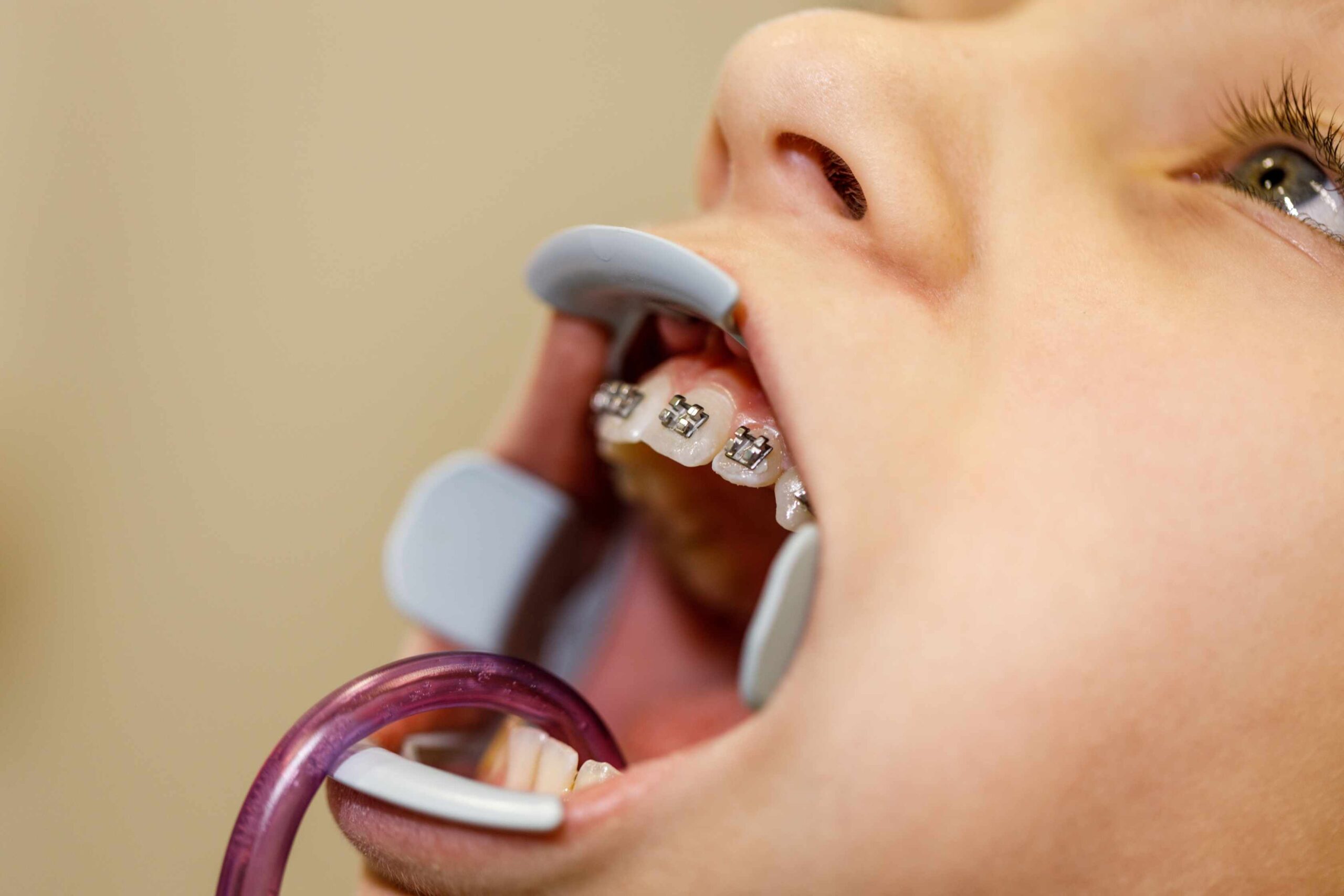
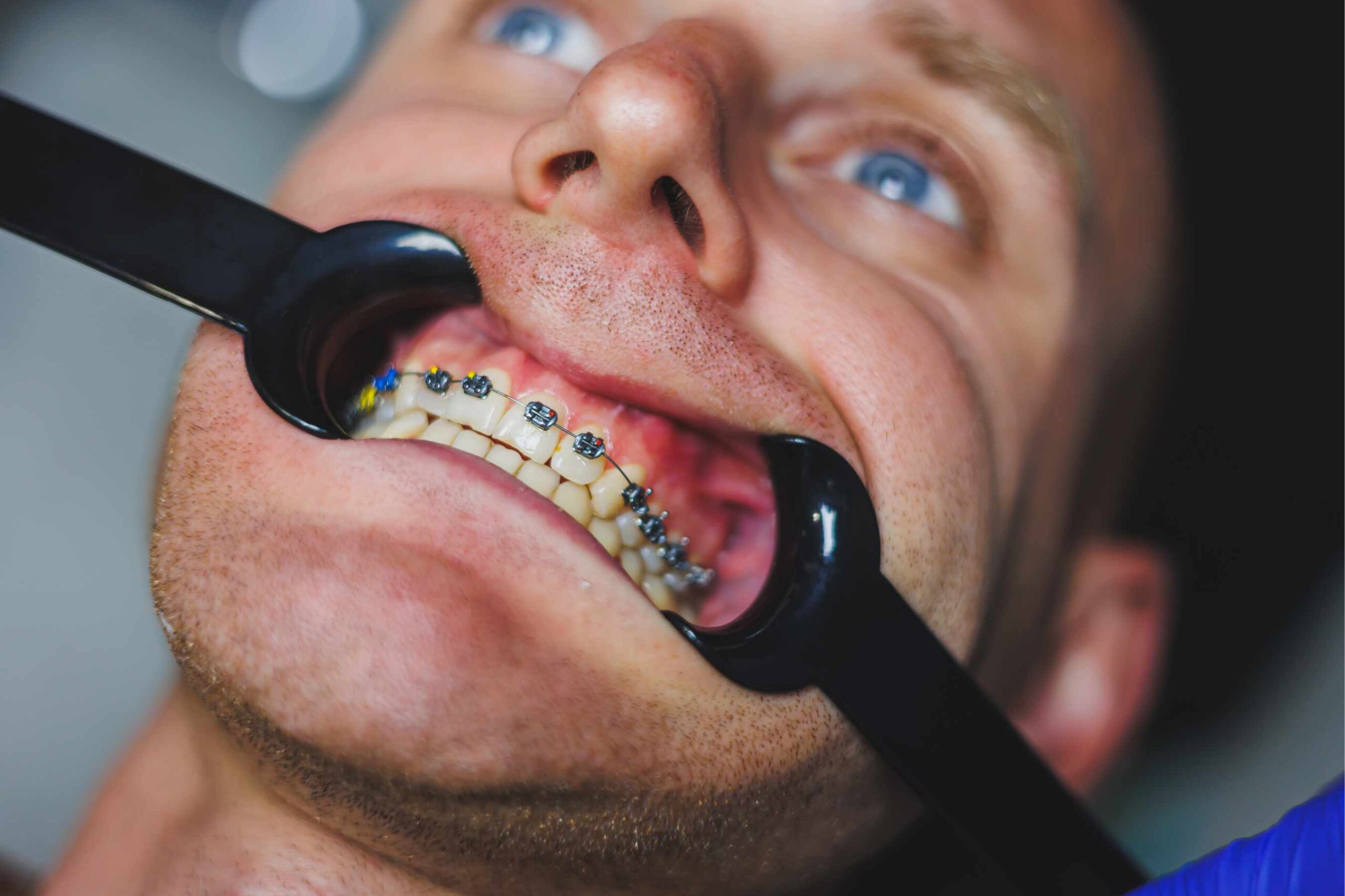
Braces are the most common orthodontic treatment used to straighten teeth. They consist of metal brackets bonded to each tooth and connected by wires that apply pressure, gradually moving teeth into their correct positions. Orthodontists monitor the progress of braces, making adjustments to ensure the treatment is moving forward as planned.
Braces are highly effective in correcting a wide range of issues, including:
- Crowded Teeth: When there is insufficient space in the mouth, causing teeth to overlap or twist.
- Gaps and Spaces: Addressing uneven gaps between teeth that can impact oral health and appearance.
- Overbite, Underbite, and Crossbite: Correcting bite issues that can affect chewing, speech, and facial structure.
4. Using Clear Aligners for a Discreet Option
Clear aligners, such as Invisalign, offer a modern alternative to traditional braces. These custom-made, transparent trays gradually shift teeth into the desired position without the need for brackets and wires. Clear aligners are popular among adults and teenagers who seek a more discreet and convenient orthodontic treatment option.
The advantages of clear aligners include:
- Removability: Patients can remove aligners while eating, brushing, and flossing, making oral hygiene easier to maintain.
- Aesthetic Appeal: Nearly invisible, aligners are an attractive option for those who want to avoid the appearance of metal braces.
- Comfort: Smooth plastic trays are often more comfortable than metal brackets, reducing irritation inside the mouth.
5. Correcting Jaw Alignment with Orthodontic Appliances
In addition to straightening teeth, orthodontists also address jaw alignment issues. Misaligned jaws can cause discomfort, difficulty chewing, and even speech problems. Orthodontic appliances like retainers, palatal expanders, and headgear may be used to correct jaw positioning.
- Retainers: These devices are often used after braces to keep teeth in their new positions. Retainers can be fixed or removable, depending on the patient’s needs.
- Palatal Expanders: Used primarily in children, palatal expanders widen the upper jaw to create space for crowded teeth or correct crossbites.
- Headgear: Sometimes used to correct severe bite issues, headgear applies pressure to guide the growth of the jaw and teeth.
6. Maintaining Results with Retainers
After the active phase of orthodontic treatment, maintaining the results is essential. Orthodontists provide retainers to prevent teeth from shifting back to their original positions. Regular check-ups ensure that the smile remains aligned and healthy over time.
Finding an Orthodontist Near You
If you or your child is experiencing bite or alignment issues, seeking the expertise of an orthodontist is the first step toward a healthier smile. Whether you’re considering braces, clear aligners, or other orthodontic solutions, an orthodontist can provide the guidance and treatment needed to achieve optimal results. Find an orthodontist near you in West Palm Beach to start your journey toward a beautifully aligned smile today.
Conclusion
Orthodontists provide specialized care that goes beyond general dentistry, focusing on correcting alignment and bite issues that impact overall oral health. From braces and clear aligners to advanced orthodontic appliances, their treatments are designed to create a functional and aesthetically pleasing smile. Whether for a child or an adult, orthodontic treatment is an investment in long-term dental health and self-confidence.