561-964-5200

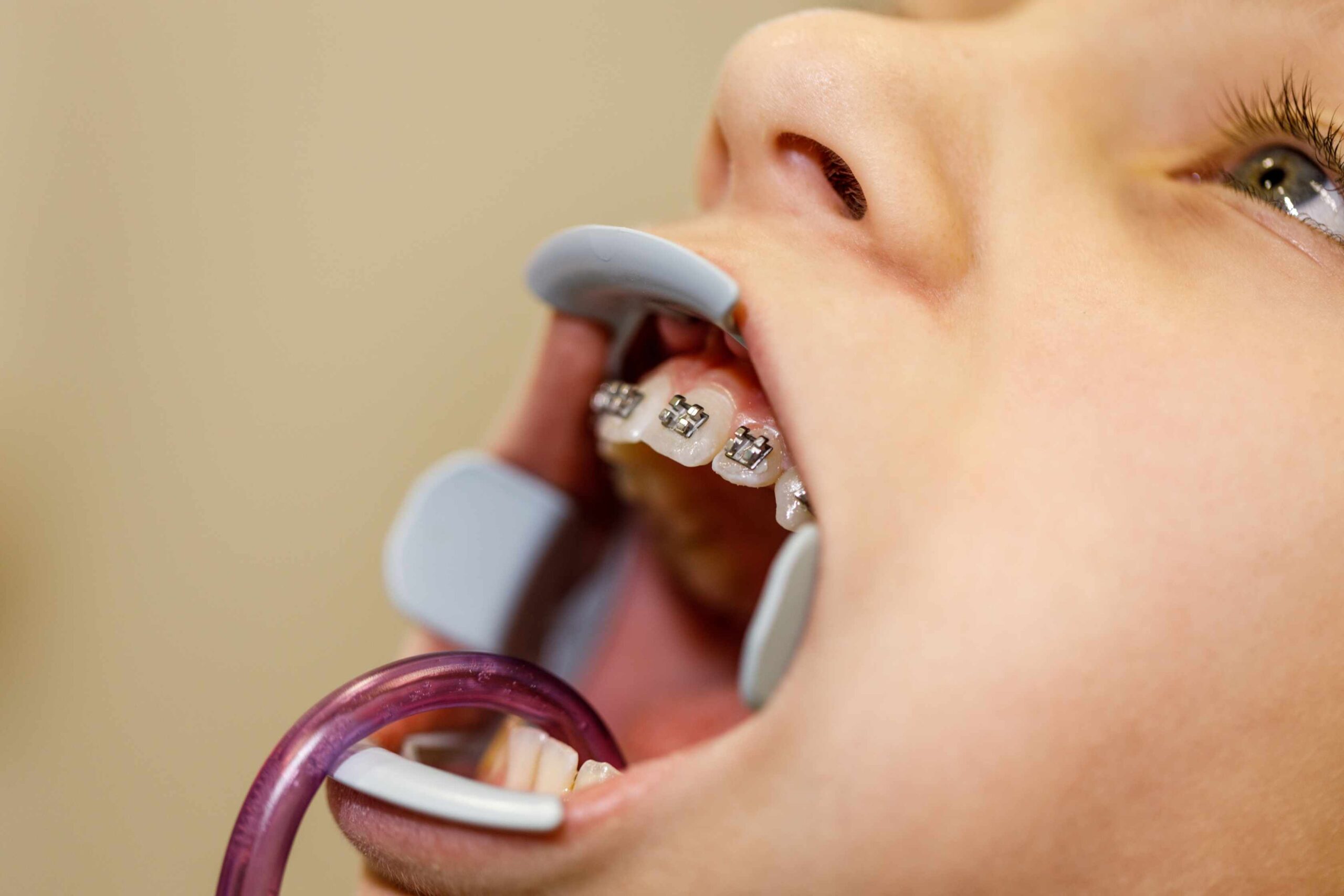
Orthodontic treatment has become a common dental intervention for individuals of all ages. While many people associate orthodontics with teenagers sporting braces, there’s a growing awareness of the importance of early orthodontic intervention. Early orthodontic treatment, also known as interceptive orthodontics, involves addressing orthodontic issues in children before they fully develop. In this comprehensive guide, we’ll delve into the conditions that necessitate early orthodontics, shedding light on the importance of timely intervention for optimal oral health.
Explain Early Orthodontic Treatment:
Before delving into the specific conditions that may require early orthodontic treatment, it’s crucial to grasp the concept itself. Early orthodontic treatment focuses on guiding the growth and development of the jaws and teeth in children. By addressing orthodontic issues early on, orthodontists can prevent more severe problems from developing later in life, leading to better oral health outcomes.
Conditions Requiring Early Orthodontics:
1. Malocclusions:
Malocclusions, or improper bites, are one of the primary reasons for early orthodontic intervention. These can manifest as overbites, underbites, crossbites, or open bites. Early orthodontic treatment aims to correct these misalignments before they worsen over time, potentially requiring more invasive treatment in the future.
2. Crowding:
Crowded teeth occur when there isn’t enough space in the jaw for all the teeth to erupt properly. Early orthodontic treatment can help create sufficient space by guiding the growth of the jaw or by using appliances to gradually expand the dental arches.
3. Spacing Issues:
On the other end of the spectrum, excessive spacing between teeth can also warrant early orthodontic intervention. Addressing gaps between teeth early can prevent more significant spacing issues or misalignments from occurring as the child grows.
4. Protruding Front Teeth:
Protruding front teeth, also known as overjet, not only affect the aesthetics of a smile but can also increase the risk of dental injuries. Early orthodontic treatment can help realign protruding teeth, reducing the likelihood of trauma and improving the overall appearance of the smile.
5. Habits and Thumb Sucking:
Persistent habits like thumb sucking or tongue thrusting can impact the alignment of teeth and the development of the jaws. Early orthodontic intervention aims to address these habits before they cause significant orthodontic issues, guiding proper oral development.
6. Impacted Teeth:
Impacted teeth, which fail to erupt properly through the gum line, can cause a host of problems if left untreated. Early orthodontic treatment can help create space and guide the eruption of impacted teeth, preventing potential complications such as infections or damage to neighboring teeth.
7. Dental Midline Discrepancies:
Misalignments in the dental midline, where the upper and lower teeth do not properly align, can affect both aesthetics and function. Early orthodontic intervention can correct these discrepancies, ensuring proper alignment for a harmonious smile.
Benefits of Early Orthodontic Treatment:
Early orthodontic treatment offers numerous benefits beyond just addressing specific orthodontic issues. By intervening at a young age, orthodontists can:
1. Guide proper jaw growth and development, reducing the need for extensive orthodontic treatment later in life.
2. Correct harmful oral habits before they cause lasting damage.
3. Improve facial aesthetics and boost self-confidence during crucial developmental years.
4. Reduce the risk of dental injuries by realigning protruding teeth.
5. Enhance overall oral health by addressing issues early, preventing potential complications down the road.
Early orthodontic treatment plays a pivotal role in ensuring optimal oral health and proper dental development in children. By addressing a wide range of orthodontic issues at an early age, orthodontists can guide the growth of jaws and teeth, ultimately leading to healthier smiles for years to come. Whether it’s correcting malocclusions, spacing issues, or habits, early intervention sets the foundation for a lifetime of dental wellness. If you suspect that your child may benefit from early orthodontic treatment, don’t hesitate to consult with a qualified orthodontist to discuss your options. Investing in your child’s oral health today can yield invaluable dividends in the future.