561-964-5200
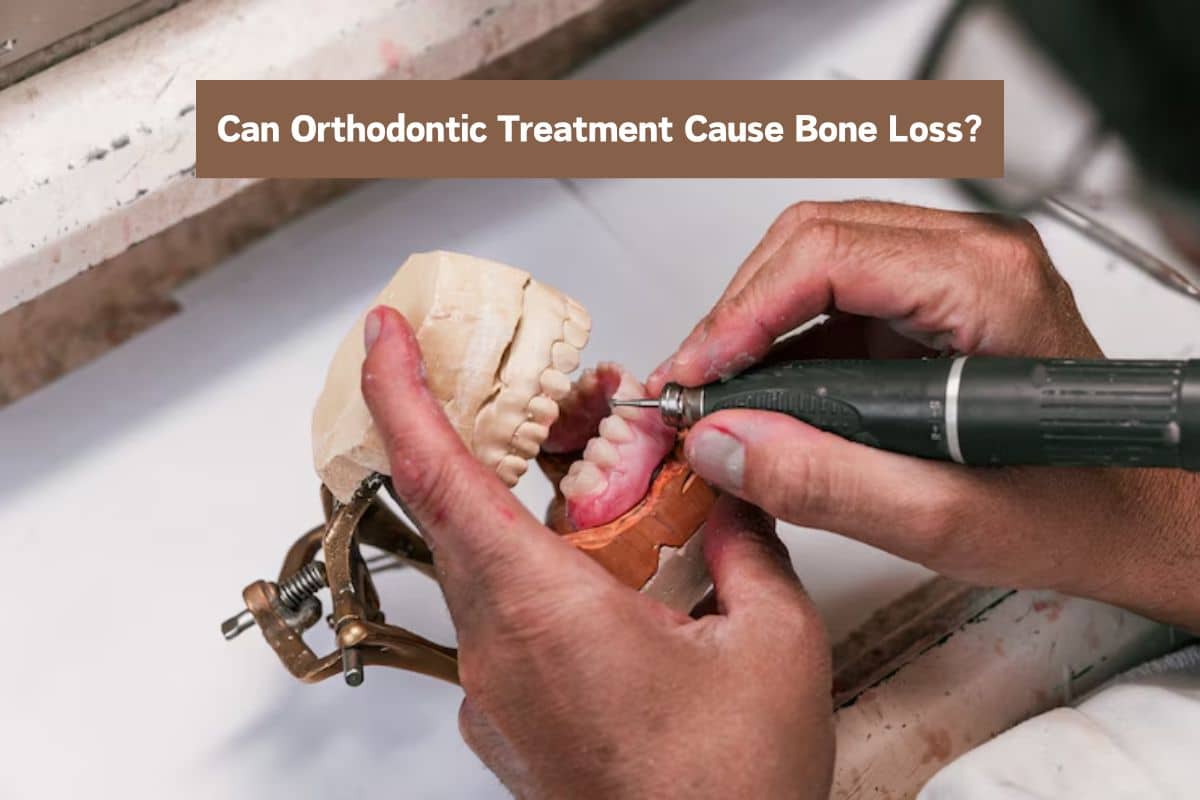
Orthodontic treatment, involving braces and aligners, is a common method to correct misaligned teeth and improve dental health. However, there is a concern among patients and dental professionals alike about the potential for orthodontic treatment to cause bone loss. This blog will explore the relationship between orthodontic treatment and bone loss, addressing causes, prevention, and the role of the orthodontist in ensuring patient safety.
The Role of the Orthodontist
An orthodontist is a dental specialist trained to diagnose, prevent, and treat dental and facial irregularities. They play a crucial role in planning and executing orthodontic treatment to ensure that it is safe and effective. The expertise of the orthodontist is vital in managing the forces applied to the teeth to avoid any adverse effects, such as bone loss.
Bone Remodeling and Bone Loss During Orthodontic Treatment
Bone remodeling is a natural and necessary process during orthodontic treatment. However, when not managed properly, this process can lead to bone loss. Bone loss, or resorption, occurs when the bone supporting the teeth is broken down faster than it is rebuilt. This can weaken the foundation of the teeth, potentially leading to tooth mobility and even tooth loss if severe.
Causes of Bone Loss During Orthodontic Treatment
Several factors can contribute to bone loss during orthodontic treatment:
1. Excessive Force: Applying too much force to the teeth can accelerate bone resorption without giving the bone enough time to rebuild. This imbalance can lead to bone loss.
2. Inflammation: Poor oral hygiene can lead to inflammation of the gums (gingivitis) and the bone supporting the teeth (periodontitis). Inflammatory conditions can exacerbate bone resorption.
3. Pre-existing Conditions: Patients with pre-existing periodontal disease or conditions affecting bone density are at higher risk of bone loss during orthodontic treatment.
4. Duration of Treatment: Prolonged orthodontic treatment can increase the risk of bone loss, especially if the forces applied are not continuously adjusted and monitored by the orthodontist.
Preventing Bone Loss During Orthodontic Treatment
Preventing bone loss requires careful planning and ongoing management by the orthodontist. Here are some strategies used to minimize the risk:
1. Careful Force Application
Orthodontists are trained to apply precise forces to move teeth. By using lighter forces over longer periods, they can reduce the risk of bone resorption. This careful approach allows the bone to remodel more naturally and maintain its integrity.
2. Regular Monitoring
Regular check-ups with the orthodontist are essential. These appointments allow the orthodontist to monitor the progress of the treatment and make necessary adjustments to the appliances. Monitoring helps in detecting early signs of bone loss and taking corrective measures promptly.
3. Maintaining Oral Hygiene
Good oral hygiene is critical in preventing inflammation and periodontal disease, which can lead to bone loss. Patients are advised to brush and floss regularly and to use mouthwash to reduce bacterial load. Orthodontists often provide specific instructions on how to maintain oral hygiene with braces or aligners.
4. Addressing Pre-existing Conditions
Patients with pre-existing periodontal disease or other conditions affecting bone health need special care. An orthodontist will often work in conjunction with a periodontist to ensure that the underlying condition is managed effectively during orthodontic treatment.
The Role of Orthodontic Technology in Reducing Bone Loss
Advancements in orthodontic technology have significantly reduced the risk of bone loss. Modern braces and aligners are designed to apply more precise and controlled forces, improving the safety and effectiveness of treatment.
1. Digital Treatment Planning
Digital imaging and 3D modeling allow orthodontists to plan treatment with greater accuracy. These technologies enable the orthodontist to visualize the movement of teeth and the remodeling of bone, ensuring that forces are applied correctly and adjusted as needed.
2. Clear Aligners
Clear aligners, such as Invisalign, offer a more gentle approach to tooth movement. These aligners are custom-made for each patient and can be adjusted frequently to ensure optimal force application. They also facilitate better oral hygiene compared to traditional braces, reducing the risk of inflammation and bone loss.
While orthodontic treatment does involve bone remodeling, it does not inherently cause bone loss when managed correctly. The expertise of the orthodontist is crucial in applying the right forces, monitoring progress, and maintaining oral hygiene. With modern technology and careful planning, the risk of bone loss can be minimized, ensuring a healthy and successful outcome for patients.
Patients considering orthodontic treatment should discuss their concerns with their orthodontist, who can provide personalized advice and reassurance. With the right approach, orthodontic treatment can lead to a healthier, more beautiful smile without compromising bone health.