561-964-5200
Teeth grinding during sleep, also known as bruxism, is a common concern among both teenagers and adults. Some people wake up with jaw soreness or headaches, while others may not realize they grind their teeth until signs of wear become visible during a dental or orthodontic examination.
For patients considering orthodontic treatment, bruxism often raises an important question: can clear aligners still be worn safely if you grind your teeth at night?
The answer depends on the severity of the grinding habit, the condition of the teeth and jaw joints, and how the treatment is monitored throughout the process. In many cases, patients with mild to moderate grinding habits can still be good candidates for Invisalign treatment with proper evaluation and supervision.
At McCaffrey Orthodontics, Dr. McCaffrey and our team work with teens and adults throughout West Palm Beach to evaluate bite concerns, alignment issues, and habits such as nighttime grinding before starting orthodontic care. As a board-certified orthodontist and Diamond Invisalign Provider, Dr. McCaffrey focuses on treatment planning that supports both alignment and long-term bite function.
What Is Bruxism?
Bruxism refers to clenching or grinding the teeth, often during sleep. Some people also grind their teeth during stressful situations or while concentrating throughout the day.
Nighttime grinding may place repeated pressure on:
- Teeth
- Jaw joints
- Facial muscles
- Existing dental restorations
- Bite alignment
Over time, this pressure can contribute to tooth wear and jaw discomfort if left unmanaged.
Common Signs of Nighttime Grinding
Many people are unaware they grind their teeth until symptoms begin affecting daily comfort.
Common signs may include:
- Jaw soreness in the morning
- Headaches after waking up
- Tooth sensitivity
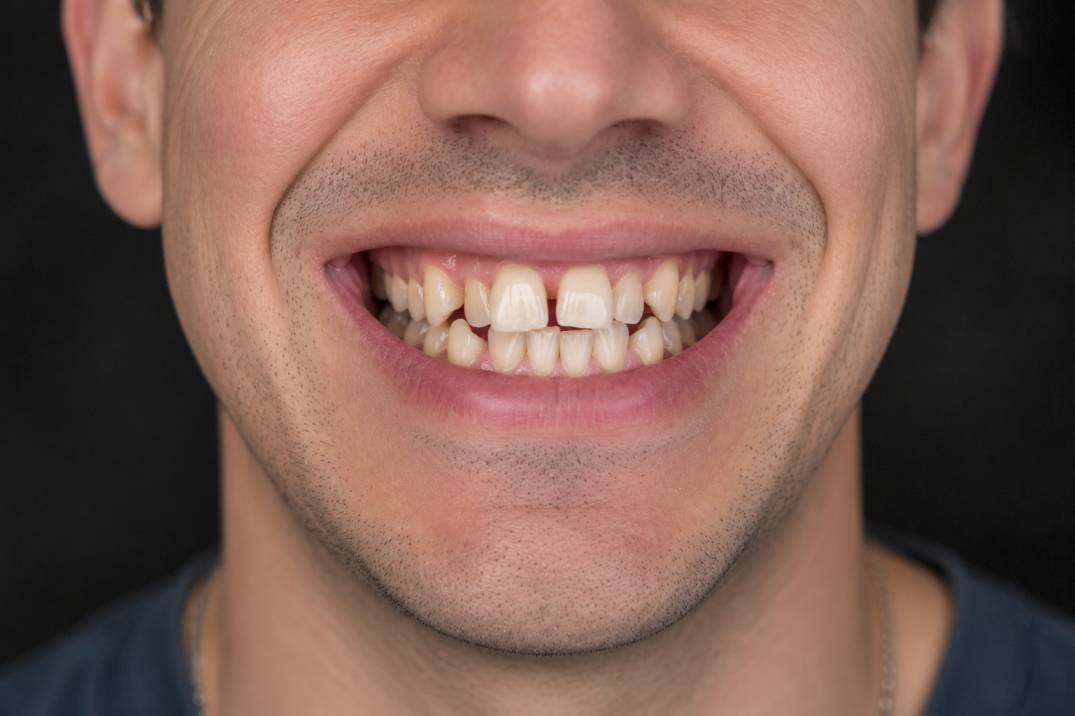
- Flattened or worn teeth
- Chipped enamel
- Tight facial muscles
- Clicking or tension near the jaw joint
- Interrupted sleep
In teenagers, parents may sometimes hear grinding noises during sleep before the child notices symptoms personally.
Can People With Bruxism Still Get Invisalign?
In many cases, yes.
Mild or moderate grinding habits do not automatically prevent someone from receiving clear aligner treatment. However, the condition should be evaluated carefully before beginning orthodontic care.
Factors that may influence treatment recommendations include:
- Severity of grinding
- Tooth wear patterns
- Jaw joint health
- Existing restorations or dental damage
- Bite alignment
- Overall oral health
Some patients may require additional monitoring or adjustments during treatment to help protect the teeth and aligners.
At our West Palm Beach orthodontic office, Dr. McCaffrey evaluates bite function and grinding patterns as part of the Invisalign consultation process so treatment decisions are based on both cosmetic and functional considerations.
Do Clear Aligners Protect Teeth From Grinding?
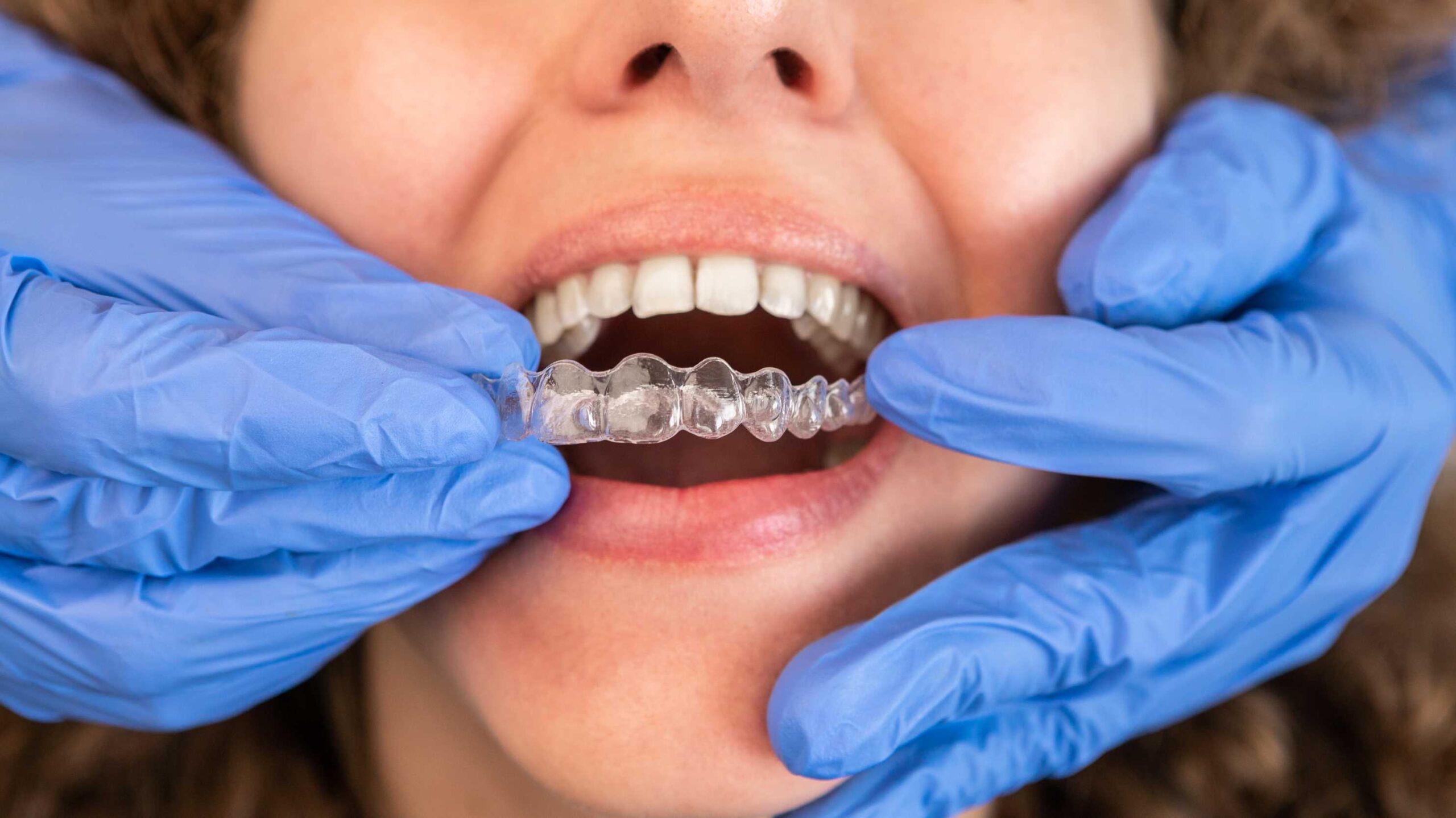
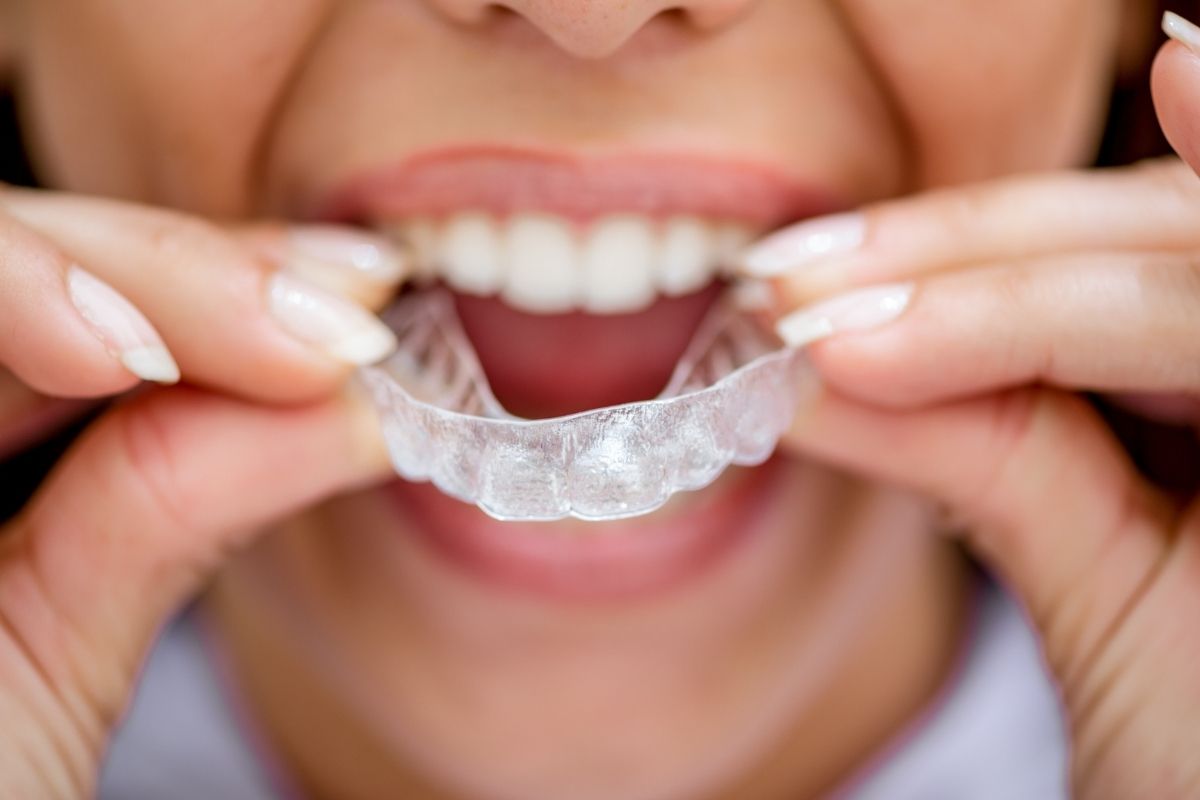
Clear aligners cover the teeth while they are worn, which may provide a temporary cushioning effect for some patients who grind their teeth at night.
However, Invisalign aligners are designed primarily for tooth movement, not as dedicated nightguards for severe bruxism.
Patients with significant grinding habits may:
- Wear through aligners more quickly
- Place additional pressure on the trays
- Experience aligner damage if grinding is severe
This is why regular monitoring during treatment is important.
Some patients may also require a custom retainer or nighttime appliance after treatment is completed to help protect their teeth long term.
When Grinding May Affect Orthodontic Treatment
Bruxism can sometimes influence how teeth move and how bite pressure is distributed during orthodontic care.
In certain situations, untreated grinding may contribute to:
- Increased aligner wear
- Delayed tooth movement
- Tooth sensitivity
- Jaw discomfort
- Excess pressure on specific teeth
This does not necessarily mean treatment cannot proceed. It simply means the orthodontic plan should account for the patient’s bite habits and overall oral condition.
Why Bite Alignment Matters
In some patients, bite imbalances may contribute to uneven pressure on the teeth and jaw muscles. Orthodontic treatment may help improve alignment and how the teeth fit together, which can sometimes reduce strain caused by bite irregularities.
However, bruxism itself has multiple possible causes, including:
- Stress
- Sleep-related conditions
- Muscle tension
- Bite discrepancies
- Lifestyle factors
Orthodontic treatment alone is not considered a guaranteed cure for grinding habits.
A professional evaluation helps determine whether bite alignment may be contributing to the problem.
Invisalign for Teens and Adults With Grinding Habits
Both teenagers and adults with mild to moderate bruxism may still qualify for Invisalign treatment.
For teens, orthodontic monitoring may help identify:
- Early tooth wear
- Developing bite imbalances
- Jaw strain
- Alignment concerns contributing to uneven pressure
Adults often seek orthodontic treatment after noticing:
- Worn teeth
- Crowding changes
- Jaw discomfort
- Shifting bite patterns over time
At McCaffrey Orthodontics, our team works closely with patients throughout treatment to monitor tooth movement, aligner condition, and bite function carefully.
When Additional Treatment May Be Recommended
In some cases, aligners alone may not fully address symptoms related to grinding.
Depending on the diagnosis, recommendations may include:
- Bite monitoring
- Retainers after treatment
- Protective nighttime appliances
- Collaboration with a general dentist
- Evaluation of jaw discomfort or TMJ symptoms
- Restorative care for damaged teeth
A comprehensive evaluation helps determine the most appropriate approach based on each patient’s condition and goals.
What Happens During an Invisalign Consultation?
An Invisalign consultation may include:
- Examination of tooth alignment
- Bite analysis
- Review of grinding symptoms
- Digital imaging
- Discussion of oral habits and jaw discomfort
- Evaluation of tooth wear and enamel condition
The goal is to determine whether clear aligners are appropriate and how treatment can be planned safely and effectively.
Dr. McCaffrey takes time to explain findings clearly so patients understand both the benefits and limitations of treatment when grinding habits are involved. If you are exploring options in West Palm Beach county, we invite you to call our office at 561-964-5200.
Orthodontic Care Designed Around Long-Term Function
Teeth grinding and bite alignment are closely connected in many people, which is why orthodontic treatment should focus on more than appearance alone. A detailed evaluation can help determine whether Invisalign treatment is appropriate and how grinding habits may affect long-term oral health and comfort.
At McCaffrey Orthodontics, Dr. McCaffrey provides Invisalign treatment for teens and adults throughout West Palm Beach with a focus on healthy bite function, careful planning, and personalized orthodontic care. As a board-certified orthodontist and Diamond Invisalign Provider, he works closely with patients to create treatment plans tailored to their individual needs and oral health concerns. If you are considering clear aligners and have concerns about nighttime grinding, a consultation can help you learn more about your treatment options.
Our office is located at the southwest corner of Forest Hill Boulevard and Jog Road, and we welcome patients from West Palm Beach and nearby communities.
Frequently Asked Questions
Can Invisalign break from teeth grinding?
Patients with heavier grinding habits may wear down or damage aligners faster than expected. Regular monitoring helps identify issues early.
Will Invisalign stop nighttime grinding?
Clear aligners are not designed to cure bruxism. However, improving bite alignment may help reduce uneven pressure in some patients.
Is Invisalign safe for adults with bruxism?
Many adults with mild or moderate grinding habits can still be good candidates for treatment after a proper orthodontic evaluation.
Can teenagers who grind their teeth use clear aligners?
Yes, many teenagers with grinding habits may still qualify for Invisalign treatment depending on the condition of their teeth and bite.
What if grinding causes jaw pain?
Patients experiencing significant jaw discomfort should discuss symptoms during their orthodontic evaluation so the bite and jaw function can be assessed carefully.