561-964-5200
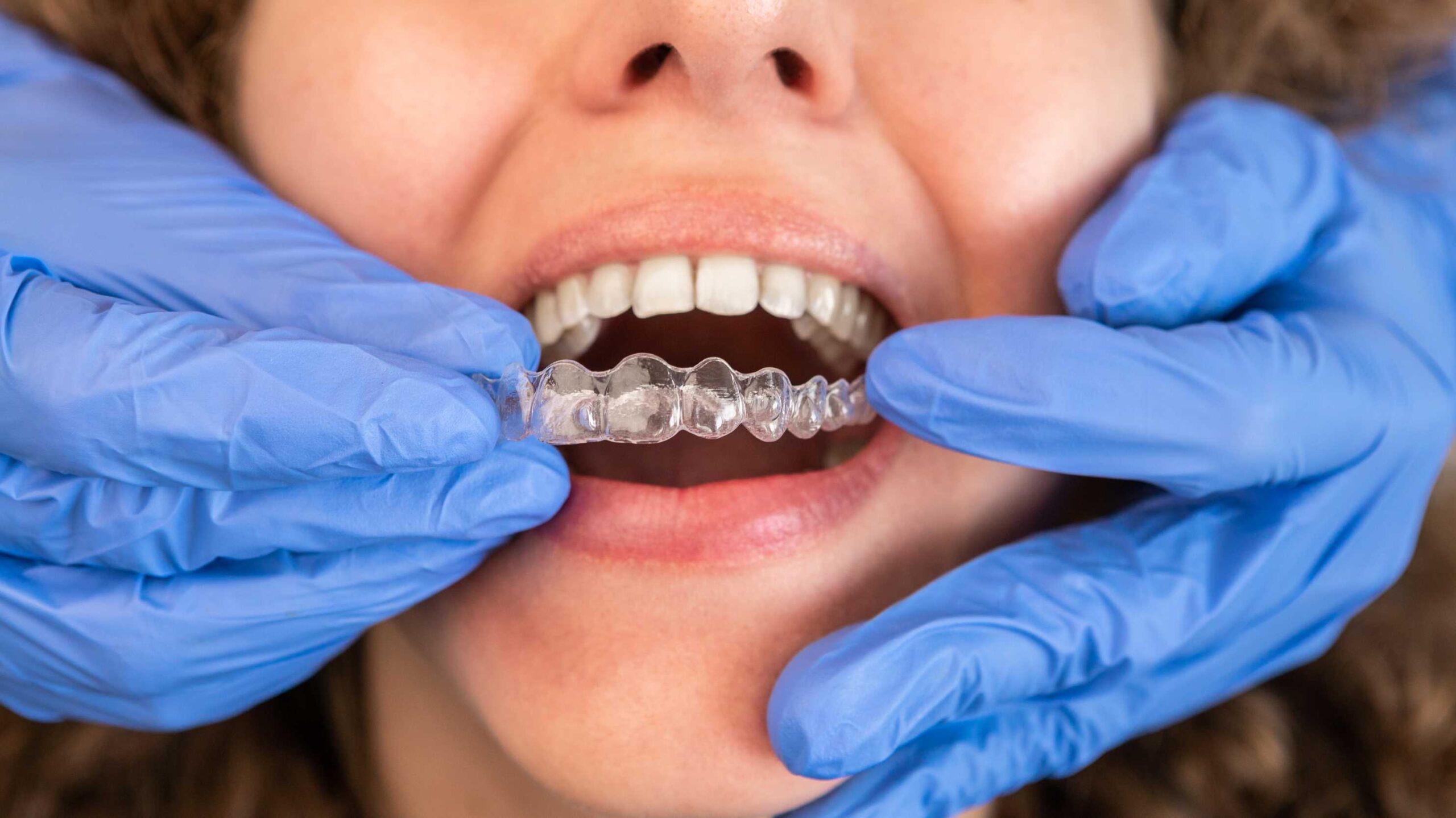
Many people think Invisalign is designed only to straighten mildly crooked teeth or close small spaces. However, modern clear aligner treatment can often address much more than the appearance of a smile.
For suitable patients, invisalign in West Palm Beach may help correct certain overbites, underbites, crossbites, open bites, and other alignment concerns. The success of treatment depends on what is causing the bite problem, how severe it is, and whether the patient follows the recommended wear schedule.
Here is what you should know before deciding whether Invisalign can improve your bite.
What Is a Bite Problem?
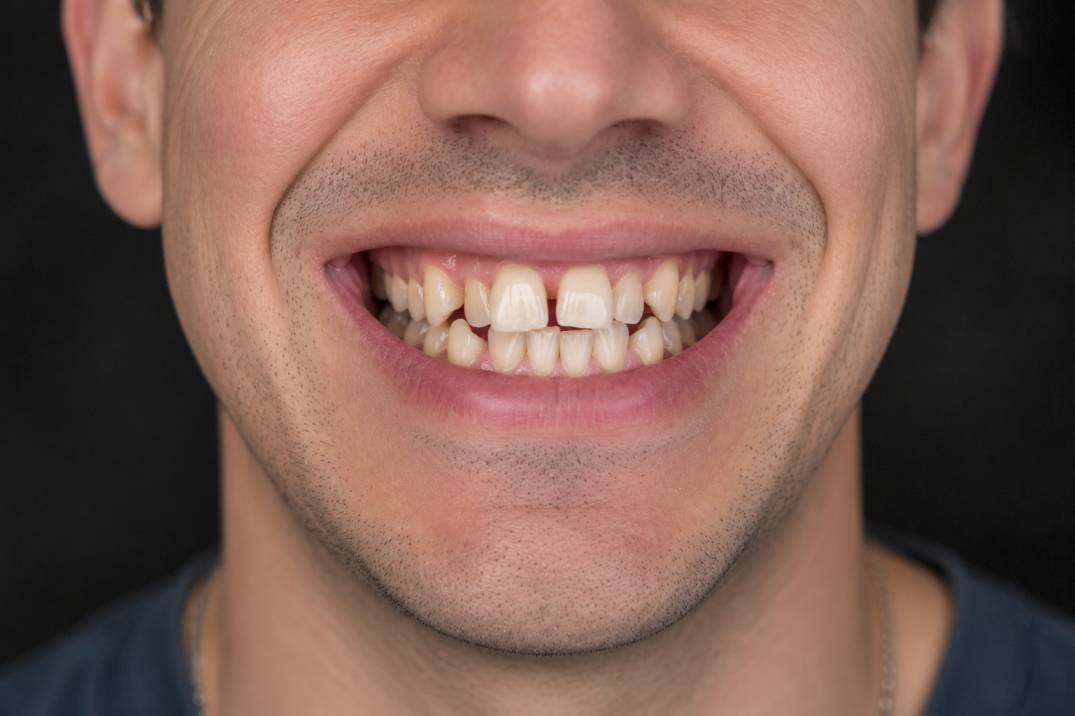
A healthy bite allows the upper and lower teeth to meet in a balanced position. When the teeth or jaws do not align properly, the condition is known as malocclusion.
A bite problem may affect more than the appearance of your smile. Depending on its type and severity, it can make chewing less comfortable, place uneven pressure on certain teeth, contribute to tooth wear, or make some areas harder to clean.
Common bite problems include overbites, underbites, crossbites, open bites, and excessive overjet. You can learn more about these common orthodontic problems before your evaluation.
How Does Invisalign Correct a Bite?
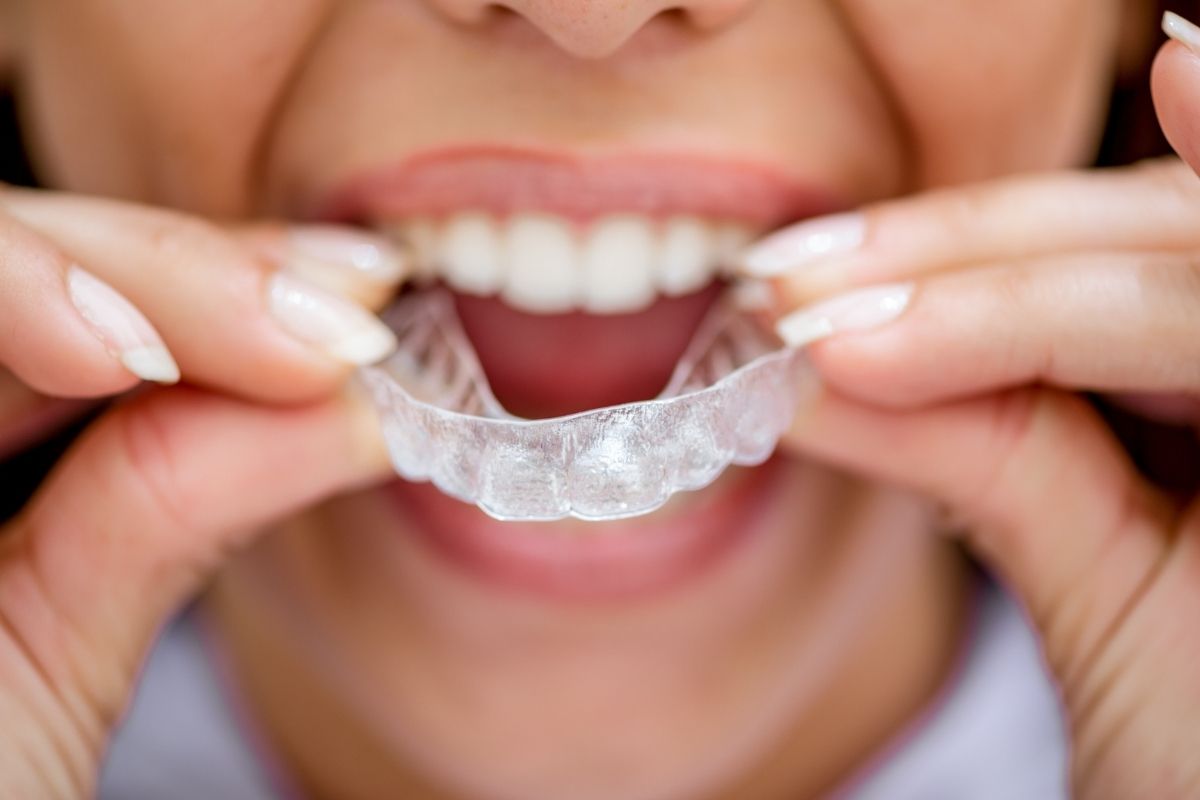
Invisalign uses a planned series of custom-made clear aligners to apply controlled pressure to selected teeth. Each set of aligners moves the teeth gradually toward the positions mapped out by the orthodontist.
Correcting a bite may require more than simply moving the front teeth. The orthodontist must consider how the upper and lower teeth fit together, how much space is available, and whether the problem comes from tooth position, jaw growth, or both.
Some patients may also need small tooth-colored attachments placed on certain teeth. These attachments give the aligners additional grip and help produce more complex movements. Elastics may sometimes be added to improve how the upper and lower arches relate to one another.
Which Bite Problems Can Invisalign Treat?
Overbite or Deep Bite
An overbite occurs when the upper front teeth overlap the lower front teeth too deeply. Invisalign may improve many mild or moderate overbites by moving selected teeth and creating a more balanced vertical relationship.
The treatment plan may include attachments, bite ramps, or other features that help guide the teeth into better positions.
Underbite
An underbite occurs when the lower front teeth sit in front of the upper front teeth. Invisalign may help when the condition is primarily caused by tooth positioning.
However, an underbite caused by a significant difference in jaw size may require braces, growth-guidance treatment, surgery, or another approach. A clinical evaluation is necessary to understand the underlying cause.
Crossbite
A crossbite happens when one or more upper teeth sit inside the lower teeth when the mouth closes. It may affect the front teeth, back teeth, or one side of the mouth.
Clear aligners can often move individual teeth outward or inward to improve a dental crossbite. More complex cases involving a narrow upper jaw may require an additional appliance or a different treatment method.
Open Bite
An open bite occurs when the upper and lower teeth do not meet in one area, often at the front of the mouth. This may make it difficult to bite into certain foods.
Invisalign may help close some open bites by guiding the teeth vertically. Habits such as prolonged thumb-sucking or tongue thrusting may also need to be addressed to support a stable result.
Excessive Overjet
Overjet describes upper front teeth that project too far ahead of the lower front teeth. Invisalign may improve some cases by moving the teeth, managing available space, and coordinating the upper and lower arches.
Invisalign Suitability by Bite Concern
| Bite problem | Can Invisalign potentially help? | Important consideration |
| Mild or moderate overbite | Often | Attachments or bite ramps may be needed |
| Dental underbite | Sometimes | Jaw-related cases may require other treatment |
| Crossbite | Often | Severe jaw-width differences need evaluation |
| Open bite | Sometimes | Oral habits may affect long-term stability |
| Excessive overjet | Often | Treatment depends on space and jaw relationship |
| Severe skeletal problem | Limited | Braces or jaw surgery may be more appropriate |
Why an Orthodontic Evaluation Matters
Two patients can appear to have the same bite problem but need completely different treatment plans. One condition may result from the position of the teeth, while another may be linked to jaw development.
A West Palm Beach orthodontist evaluates the teeth, bite, facial proportions, gum health, and jaw relationship before recommending treatment. Digital scans and diagnostic records can then be used to plan how each tooth should move.
This professional supervision is especially important for bite correction. Aligning the visible front teeth without properly coordinating the bite may not provide the functional or stable result a patient needs.
Dr. Kevin McCaffrey is recognized by the practice as a top 1% invisalign provider, reflecting extensive experience with clear aligner cases.
When Might Braces Be a Better Choice?
Invisalign is versatile, but it is not automatically the best option for every patient. Traditional braces may offer greater control in cases involving severe rotations, major jaw discrepancies, difficult vertical movements, or complex tooth positions.
Treatment success also depends on patient participation. Clear aligners must be worn consistently, generally throughout the day and night except during meals and oral hygiene. A patient who frequently removes or loses the aligners may receive a more predictable result with braces.
The goal is not to choose the least visible appliance at any cost. It is to select the treatment that can safely and effectively improve the bite.
What West Palm Beach Patients Can Expect
Patients considering clear aligners may need periodic appointments so the orthodontist can check aligner fit and confirm that the teeth are responding as planned.
For residents of West Palm Beach, Wellington, Greenacres, Lake Worth, Royal Palm Beach, Boynton Beach, and nearby communities, choosing an accessible office can make ongoing treatment easier to manage.
Patients should also expect to wear retainers after active treatment. Retainers help maintain the corrected tooth and bite positions while the surrounding tissues adjust.
Find Out Whether Invisalign Can Correct Your Bite
Invisalign can correct many bite problems, but the answer depends on the cause and complexity of your condition. A personalized orthodontic assessment is the only reliable way to determine whether clear aligners, braces, or another option will provide the best result.
Explore invisalign treatment in West Palm Beach to learn more about the clear aligner process. You can also begin with a virtual consultation to discuss your concerns with the Sea of Smiles team.
Frequently Asked Questions
Can Invisalign fix an overbite?
Invisalign can often improve mild to moderate overbites by repositioning teeth and coordinating the upper and lower arches.
Can Invisalign correct an underbite?
Invisalign may correct a tooth-related underbite, while severe jaw-related underbites may require another treatment approach.
Does Invisalign work for crossbites?
Invisalign can often correct dental crossbites by gradually moving affected teeth into healthier positions.
Can clear aligners close an open bite?
Clear aligners may close certain open bites, although harmful oral habits may also need to be treated.
How do I know whether Invisalign can fix my bite?
An orthodontic examination is needed to determine the type, cause, and severity of your bite problem.