561-964-5200

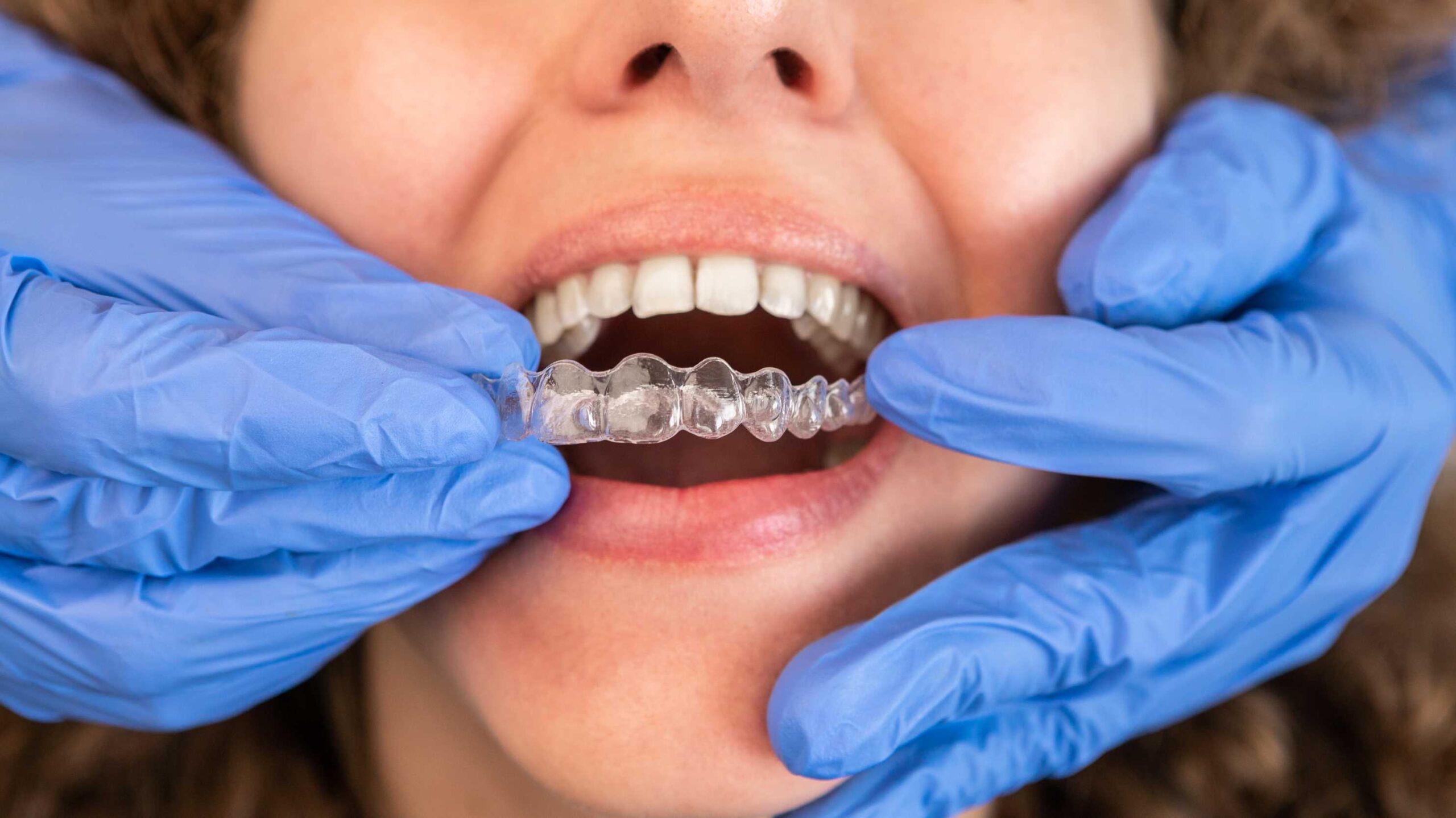
Invisalign is known for offering a convenient and discreet way to straighten teeth, but the success of treatment depends on following your aligner schedule and knowing when something isn’t right. Whether you’re just starting out or midway through treatment, it’s important to recognize when your current tray needs to be replaced.
Below are the key signs that indicate it might be time to replace your Invisalign tray, along with guidance on what to do next.
1. Your Tray Is Cracked or Split
Cracks in your aligner, even small ones, can compromise how effectively it moves your teeth. A damaged tray may not apply the correct pressure, may irritate your gums, or may fit unevenly. Cracks typically result from:
- Biting down hard on the aligner
- Chewing while wearing it
- Improper removal or storage
If you notice a visible crack or feel rough edges, stop wearing the tray and contact your provider for next steps.
2. The Aligner Feels Loose or Doesn’t Fit Securely
Each aligner should fit snugly and feel tight for the majority of its wear cycle. If the tray feels too loose or no longer applies pressure to your teeth, it may not be guiding movement properly. This could mean:
- Your teeth have shifted ahead of schedule
- The tray has become misshapen
- The aligner is worn beyond its recommended time
Always check with your treatment provider before moving on to the next tray to avoid disrupting your treatment plan.
3. Tray Appears Warped or Deformed
Invisalign trays can warp if they’re exposed to heat, such as hot water during cleaning or being left in a hot car. A warped tray often won’t fit properly and can slow or reverse progress.
If the tray looks distorted, feels uneven, or doesn’t match your previous aligner’s shape, it should be replaced.
4. You’ve Lost the Tray
Lost aligners are more common than you might think. Whether accidentally thrown out or misplaced while eating, missing trays need to be addressed quickly. Your orthodontist may advise you to:
- Wear your previous tray to hold your teeth in place
- Move ahead to the next tray, if appropriate
- Request a replacement for the missing one
Avoid skipping trays or making changes without professional input.
5. You’re Experiencing Persistent Discomfort or Tracking Issues
Some soreness is normal when starting a new aligner. However, continued discomfort or difficulty getting the tray to seat properly could be a sign that your teeth aren’t tracking as expected.
If you’ve used chewies, worn the aligner as directed, and still experience pain or a poor fit after several days, it’s best to have the fit checked before continuing with treatment.
Quick Guide: When to Replace Your Invisalign Tray
| Sign | Recommended Action |
| Cracked or broken aligner | Contact your provider for a replacement |
| Tray feels loose | Confirm fit before switching to next tray |
| Tray is warped or deformed | Discontinue use and request a new one |
| Aligner is lost | Call your orthodontist for specific guidance |
| Persistent pain or poor fit | Schedule a check-in for evaluation |
When Experience Matters, So Does the Provider
If you’re ever unsure about a tray issue—whether it’s discomfort, damage, or a lost aligner—it’s important to speak with an experienced Invisalign provider. Our office is proud to be the only Blue Diamond+ Invisalign provider in the area, which reflects our depth of experience and commitment to effective, customized care.
If any issue with your Invisalign tray persists, you can reach out to us by calling 561-964-5200. Our team will guide you on the right next step to keep your treatment moving forward.
To find our office and get directions, view our location on the map.