561-964-5200
When it comes to improving your smile, adults often face the dilemma of choosing between Invisalign vs. traditional braces. With a variety of options available, it’s important to understand the benefits and limitations of each treatment to make an informed decision. A West Palm Beach orthodontist can help you navigate these choices, but let’s take a deeper dive into both options and explore the advantages and disadvantages for adults.
Understanding Invisalign: A Modern Teeth Straightening Solution
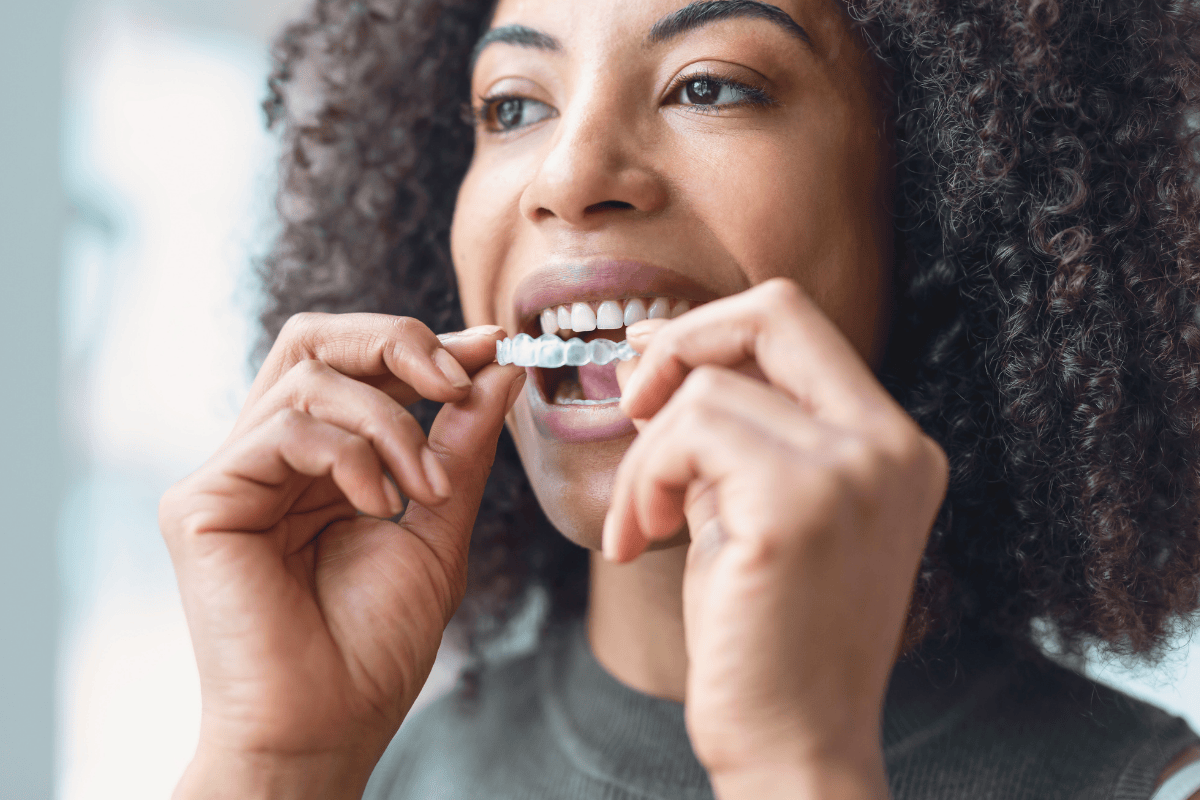
Invisalign is a modern orthodontic treatment that uses removable clear plastic aligners to gradually shift teeth into place. The aligners are custom-designed to fit your teeth, and as you progress through the treatment, you wear a new set of aligners every few weeks.
The Pros of Invisalign
Discreet Appearance: One of Invisalign’s biggest advantages is its invisibility. The aligners are made of transparent plastic, so they’re hardly noticeable. This is especially appealing for adults who want to straighten their teeth without the appearance of metal braces.
Comfortable to Wear: Invisalign aligners are smooth and custom-fitted to your teeth, providing comfortable wear throughout the day. Unlike metal braces, which can cause mouth irritation and sores, Invisalign offers a gentler experience for most patients.
Convenient and Removable: Since Invisalign aligners are removable, you can take them out when eating or drinking, so there are no food restrictions. You can also remove them for brushing and flossing, making it easier to maintain good oral hygiene compared to traditional braces.
Fewer Office Visits: With Invisalign, many patients require fewer visits to the dental office for check-ups or adjustments. After the initial consultation, you’ll receive a series of aligners and only need to visit your provider for periodic progress checks. This convenience is a significant advantage for those with busy schedules.
The Cons of Invisalign
Discipline and Consistency Required: Invisalign aligners must be worn for 20 to 22 hours per day to be effective. Since the aligners are removable, it’s easy to forget to put them back in, which can prolong treatment. Staying consistent is essential to achieving the desired results within the expected timeframe.
Not Ideal for Complex Cases: While Invisalign is a great option for mild to moderate teeth misalignment, it may not be the best solution for more severe dental issues. Traditional braces may be more effective if you have complex bite problems or significant tooth movement.
Requires Careful Handling: As the aligners are removable, there is a risk of them being misplaced or damaged. While the aligners are durable, they still require careful handling, especially when cleaning and storing them when not in use.
Traditional Braces: The Classic Solution for Teeth Alignment
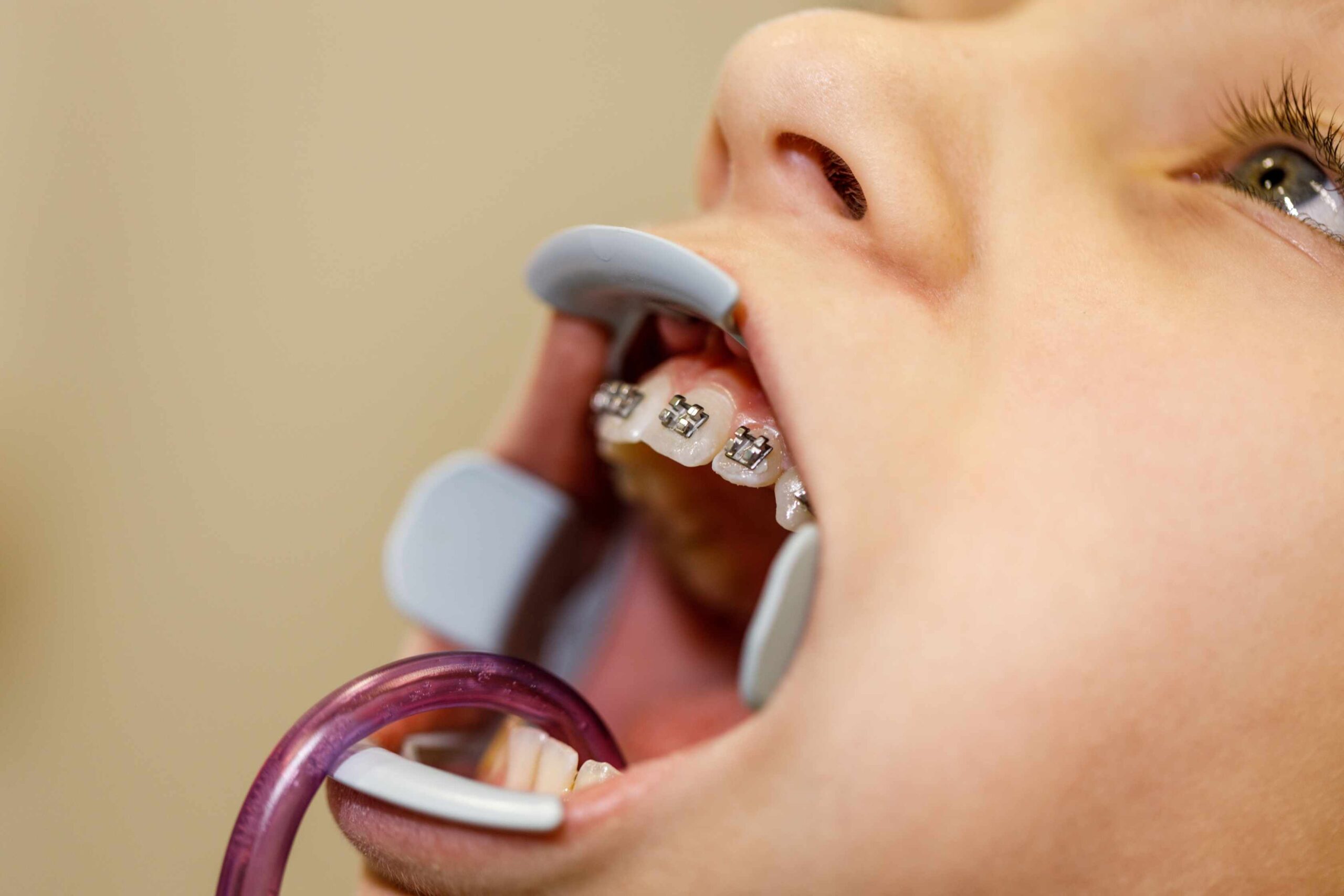
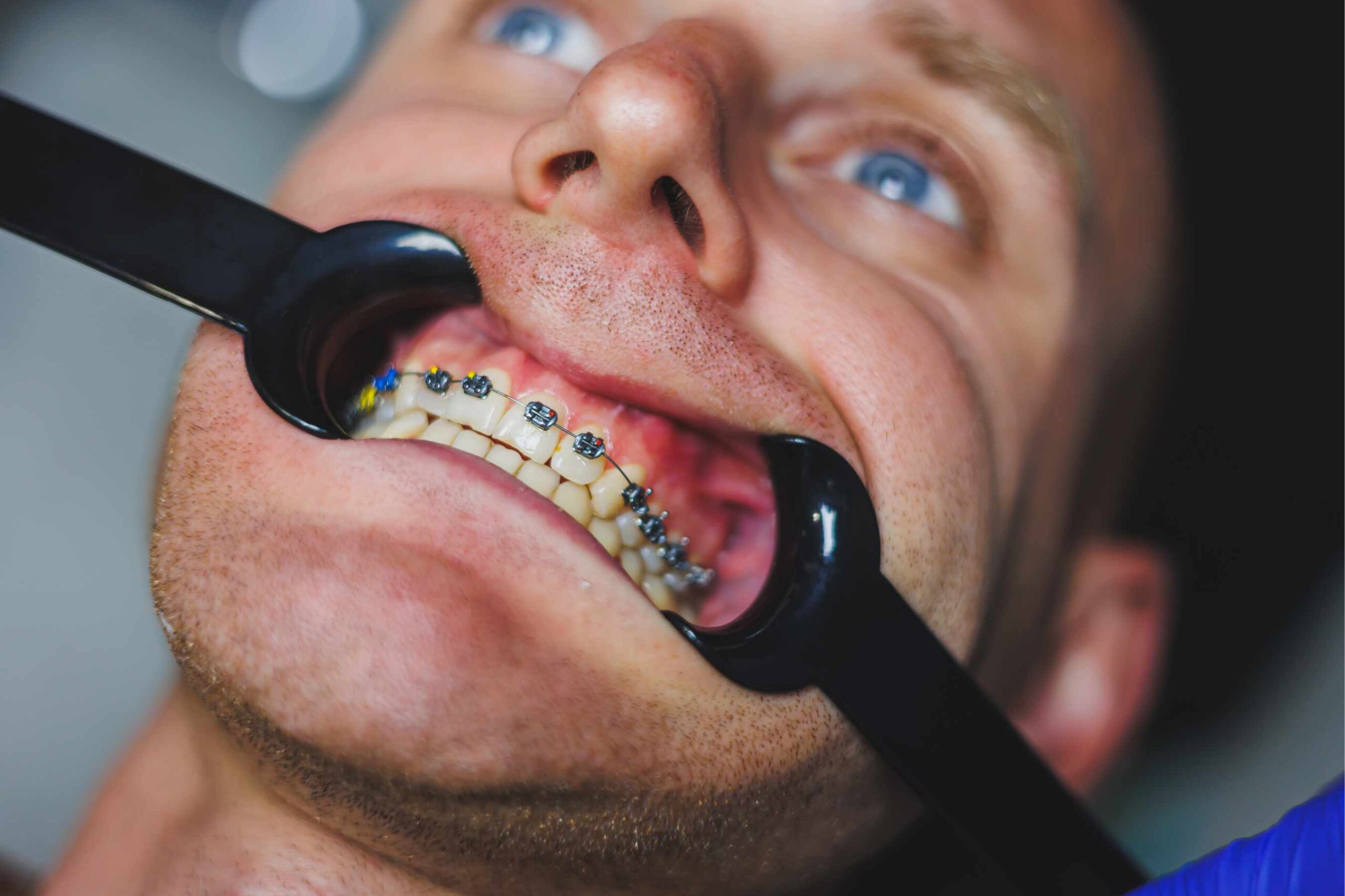
Traditional braces consist of metal brackets bonded to the teeth, connected by a wire that is adjusted periodically to shift the teeth into place. They are typically the most effective treatment for severe or complicated alignment issues.
The Pros of Traditional Braces
Effective for Complex Dental Issues: Traditional braces are ideal for patients who have more severe dental problems, such as overbites, underbites, or extreme tooth misalignment. Since the brackets are fixed and the wires gradually apply pressure to the teeth, braces are very effective in addressing a wide range of dental issues.
No Need for Discipline: Once installed, traditional braces don’t require any effort on your part to keep them in place. You don’t have to worry about remembering to wear them or removing them for meals. This can benefit patients struggling to stay consistent with Invisalign’s requirements.
More Suitable for Certain Treatment Plans: Traditional braces often provide a better outcome for people with severe teeth misalignment. The level of control metal braces can help move teeth into the desired position more precisely.
The Cons of Traditional Braces
Noticeable Appearance: Traditional braces are more evident than Invisalign, as they consist of metal brackets and wires that are visible to others. This can be a downside for adults who want a more discreet treatment.
Oral Hygiene Challenges: Braces can make it harder to brush and floss effectively. Food particles can get stuck between the brackets and wires, so you must be extra diligent with your oral hygiene to avoid plaque buildup and cavities.
Discomfort: Traditional braces can cause discomfort, especially after adjustments when the wires are tightened. This can lead to mouth irritation and sore spots, particularly in the first few weeks after getting them.
More Frequent Dental Visits: Unlike Invisalign, which requires fewer visits, traditional braces need regular check-ups and adjustments. These visits are essential to ensure that the braces are working properly and that your teeth are moving at the correct pace.
Choosing Between Invisalign and Braces: Which Option Is Right for You?
When choosing between Invisalign and braces, it’s important to consider your lifestyle, dental needs, and preferences. If you value discreetness and have a mild alignment issue, Invisalign might be your ideal solution. However, traditional braces may provide a more effective solution if you have more complex dental concerns.
For the best results, it is essential to schedule an orthodontic consultation with a skilled dental professional who can assess your needs and recommend the best treatment option for you. Whether you’re looking for orthodontic choices for adults or want to explore your options, a trusted provider can guide you in the right direction.
Are you searching for Invisalign near me? Call McCaffrey Orthodontics today to learn how Invisalign can transform your smile.