561-964-5200
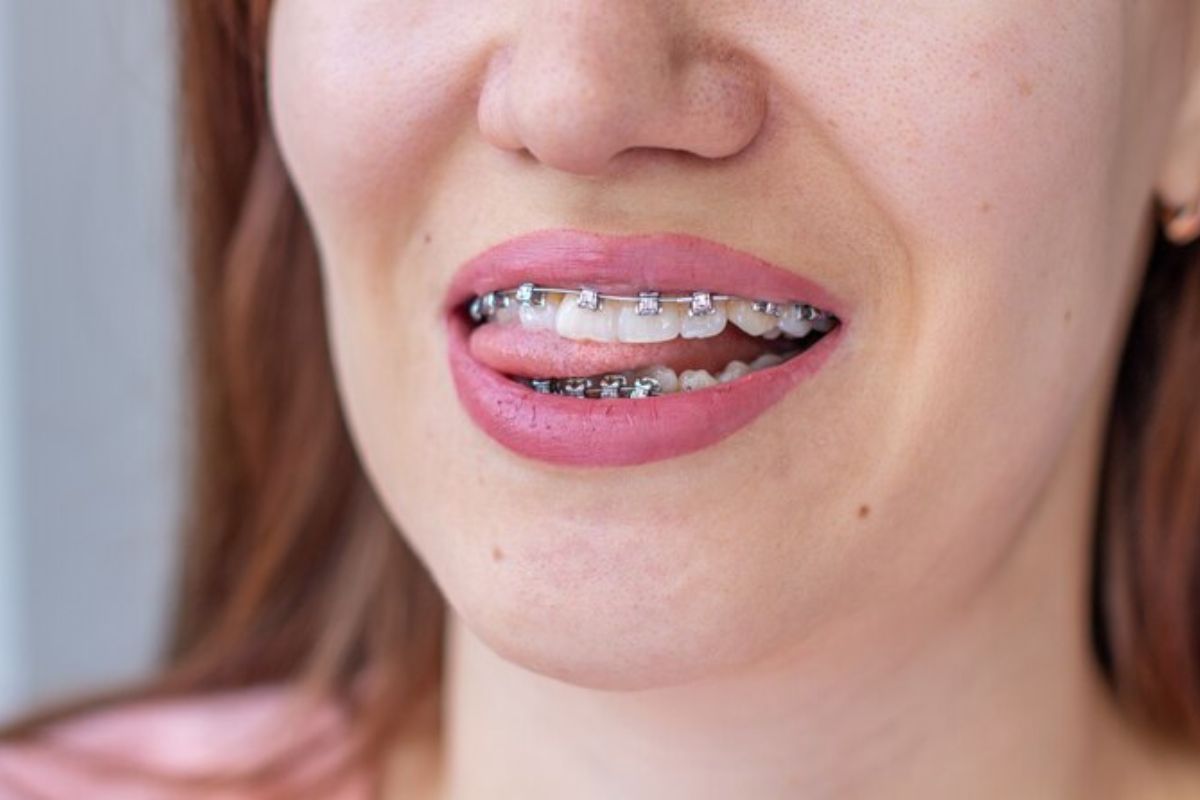
When you finish orthodontic treatment and finally get your braces removed, you’re excited to reveal your new smile. However, many patients worry whether their overbite will return after braces. This is a valid concern and one worth exploring. Understanding how overbites develop, how braces correct them, and what you can do to maintain your results is essential to ensuring your smile stays straight for years to come.
What Is an Overbite?
An overbite is a type of malocclusion where the upper front teeth overlap significantly with the lower front teeth. It’s one of the most common dental issues treated by orthodontists. While some degree of overlap is normal, a pronounced overbite can cause problems with chewing, speech, and overall dental health.
Causes of Overbites
Overbites can be caused by several factors, including genetics, childhood habits like thumb-sucking or pacifier use, and even the natural development of your jaw. An overbite may also develop due to missing teeth or an improper bite that wasn’t corrected early on.
How Braces Correct Overbites?
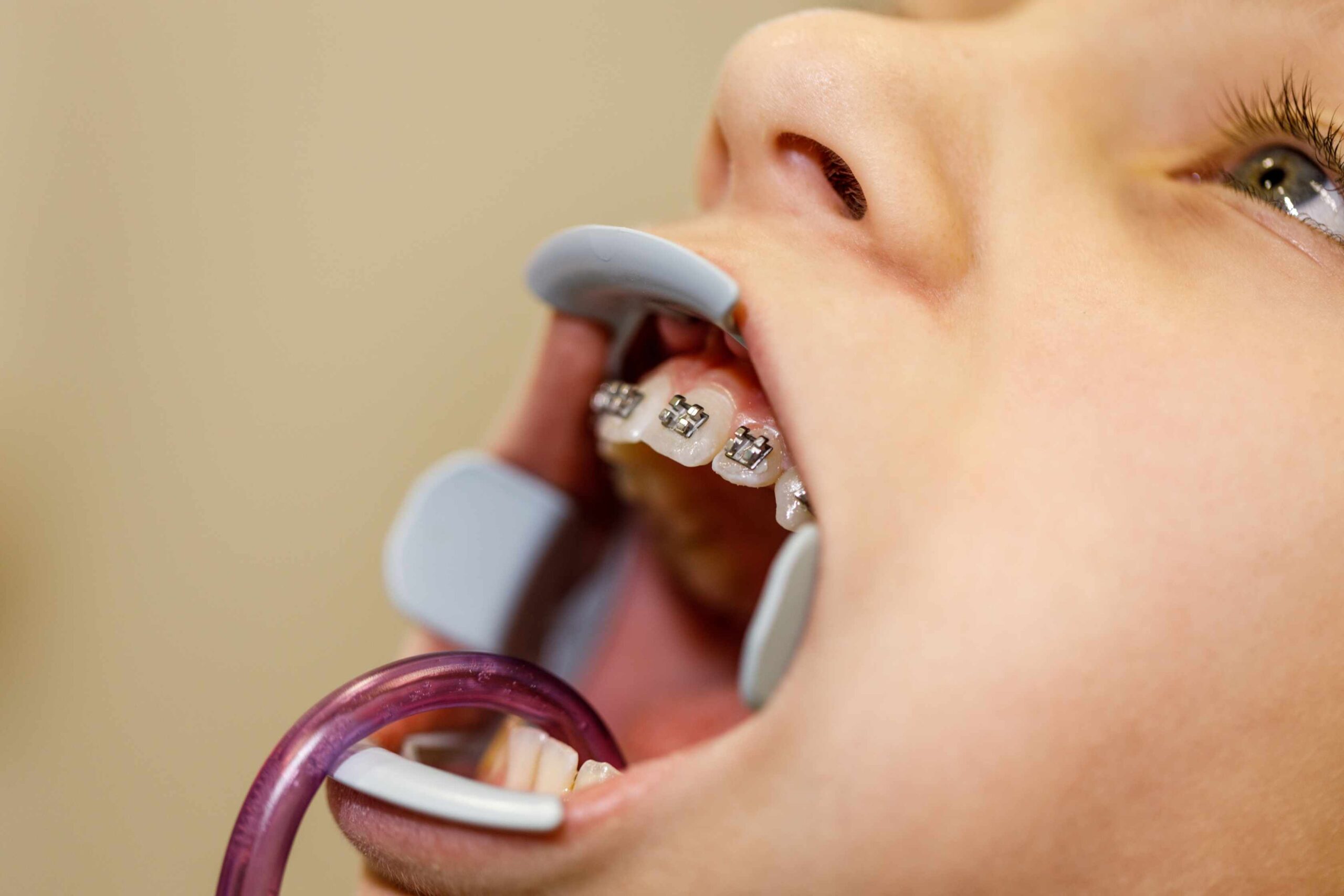
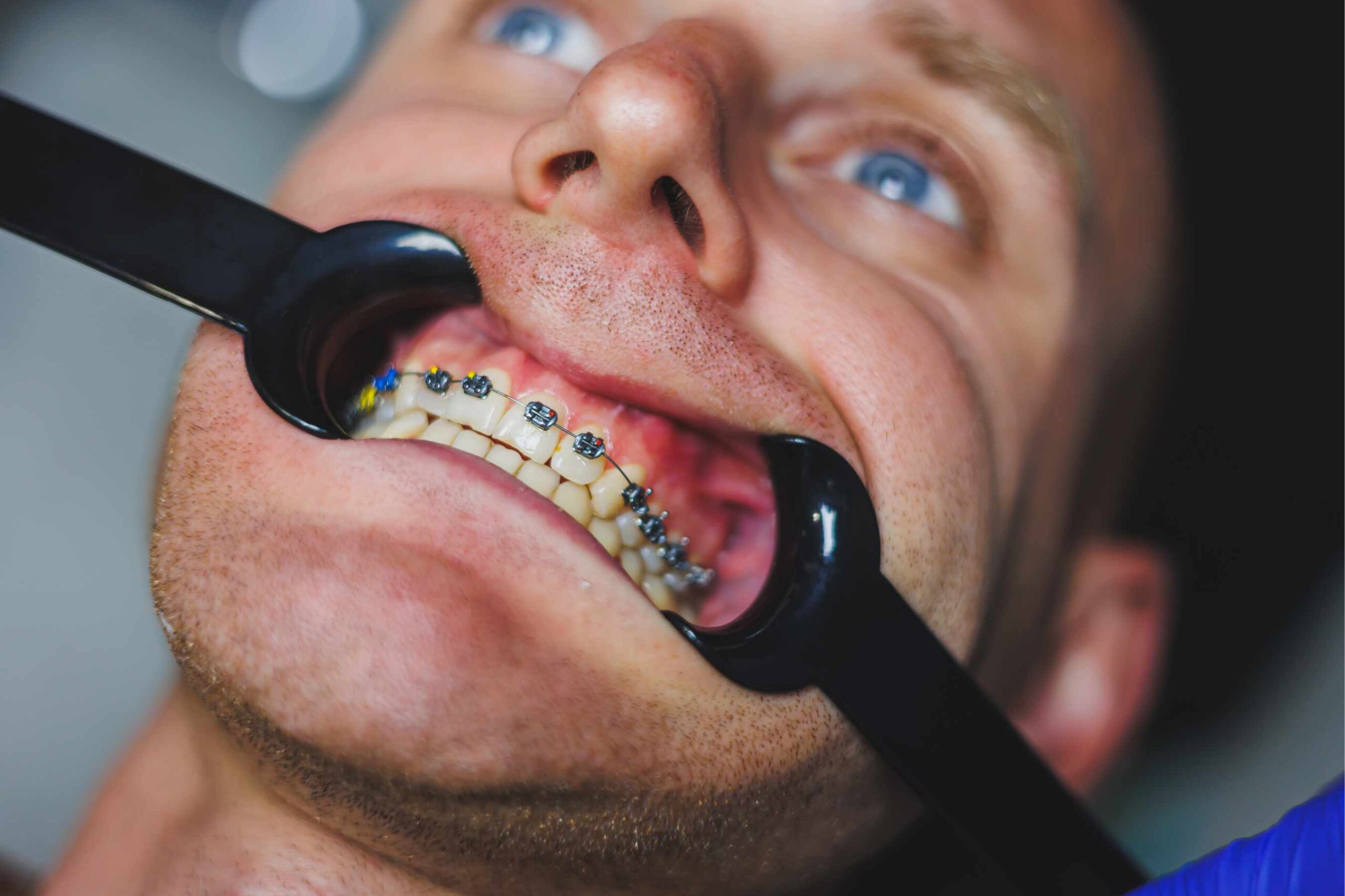
Braces are one of the most effective treatments for correcting overbites. By applying gentle, continuous pressure to your teeth and jaw, braces gradually move your teeth into the correct position. The treatment usually involves brackets attached to each tooth and connected by a wire, which is adjusted periodically by your orthodontist to guide your teeth into place.
Phases of Treatment to Correct Overbites
Correcting an overbite with braces typically involves several phases:
Alignment: The first phase focuses on straightening the teeth and correcting any alignment issues.
Bite Correction: Once the teeth are aligned, your orthodontist will work on adjusting your bite. This phase might involve using rubber bands, springs, or other devices to move your jaw and teeth into the correct position.
Finishing: The final phase involves making minor adjustments to ensure that your teeth and bite are perfect.
Can Overbites Come Back After Braces?
One of the biggest concerns after completing orthodontic treatment is the potential for a relapse, where teeth gradually shift back to their original position. This can happen for a variety of reasons, including:
Natural Aging: As you age, your teeth naturally shift, which can cause your overbite to reappear.
Insufficient Retention: After braces, wearing a retainer as prescribed by your orthodontist is crucial. Without proper retention, your teeth can shift back to their original position, causing your overbite to return.
Jaw Growth: In younger patients, the continued growth of the jaw can sometimes cause the overbite to reoccur.
How Common Is Relapse of Overbites?
While an overbite can return after braces, it’s not inevitable. Studies have shown that with proper post-treatment care, including the use of retainers, most patients maintain their results. However, if retention protocols are not followed, the risk of relapse increases.
What To Do If Your Overbite Returns
Early Signs of Relapse
If you notice your teeth shifting or your overbite reappearing, it’s essential to contact your orthodontist right away. Early intervention can prevent the need for extensive treatment.
Treatment Options
If your overbite does return, there are several treatment options available:
1. Retainer Adjustments: In some cases, a simple adjustment to your retainer can correct minor shifts.
2. Braces or Aligners: For more significant relapses, you may need to undergo a shorter course of treatment with braces or clear aligners to correct the issue.
3. Orthognathic Surgery: In severe cases, especially if the relapse is due to jaw growth, surgery may be required to correct the bite.
How To Maintain Your Orthodontic Results in the Long-Term?
1. Regular Checkups
Regular visits to your orthodontist are crucial in maintaining your results. Your orthodontist can monitor your teeth and jaw for any signs of shifting and recommend treatment if necessary.
2. Good Oral Hygiene
Maintaining good oral hygiene is also essential. Brushing and flossing regularly will help keep your teeth healthy and prevent issues that could cause them to shift.
3. Lifestyle Habits
Avoid habits that can put pressure on your teeth and cause them to shift, such as grinding your teeth or chewing on hard objects.
While it’s possible for an overbite to return after braces, following your orthodontist’s advice and wearing your retainer as instructed can significantly reduce this risk. By taking proper care of your teeth and maintaining regular checkups, you can enjoy your beautiful, straight smile for years to come. If you notice any signs of relapse, don’t hesitate to reach out to your orthodontist for guidance and treatment options. Your smile is an investment, and with the right care, it can last a lifetime.