561-964-5200

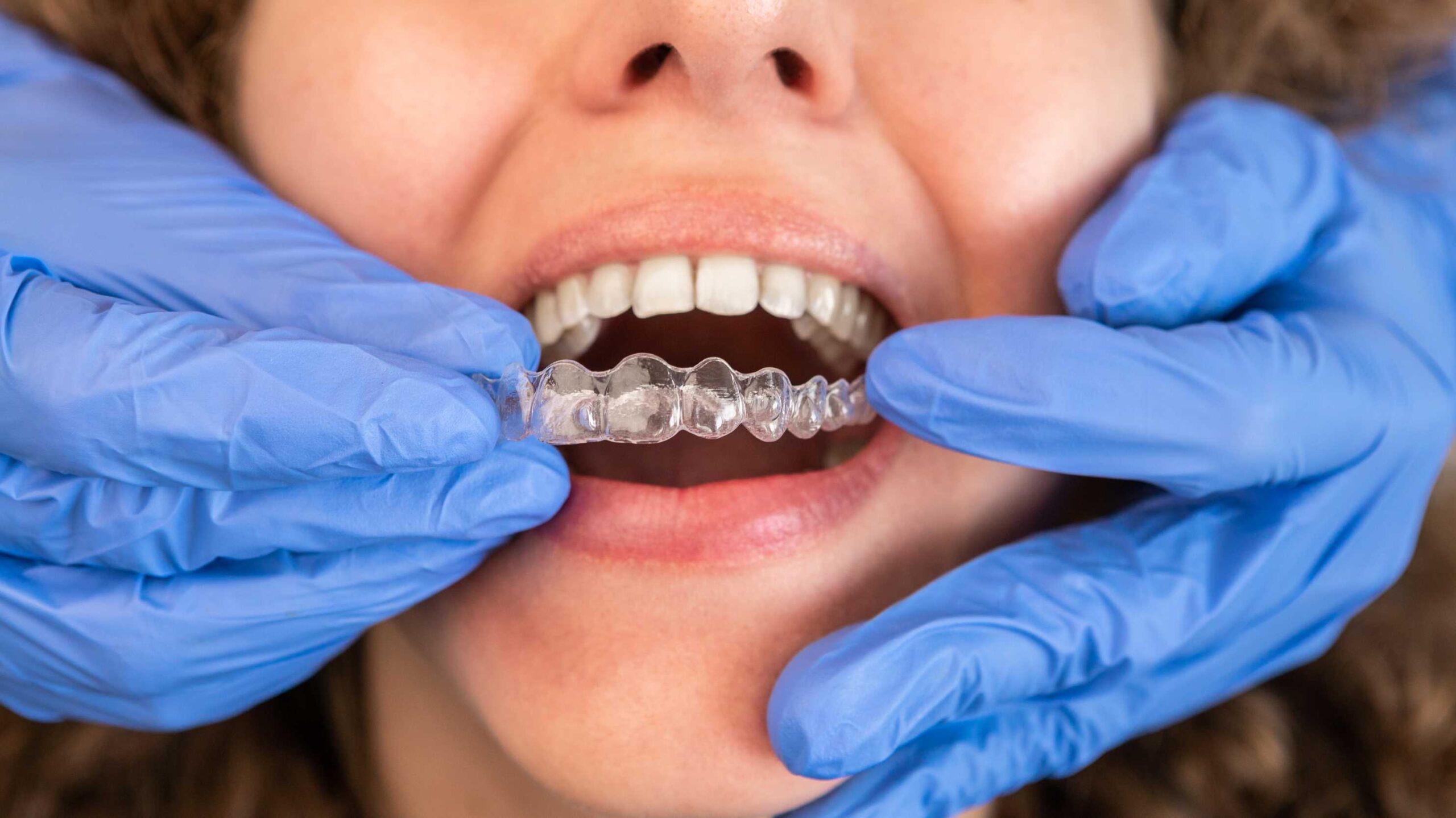
Are you hesitant to try Invisalign treatment because of some myths you’ve heard? Don’t let misinformation hold you back from achieving your dream smile. Invisalign is a popular orthodontic treatment that uses clear aligners to straighten teeth without the need for traditional metal braces. However, there are common misconceptions about this innovative treatment that can discourage people from considering it as an option. In this blog post, we will debunk seven common myths about Invisalign and provide you with accurate information so that you can make informed decisions about your dental health.
1. Invisalign is only for minor teeth alignment issues
One of the most common misconceptions about Invisalign treatment is that it’s only suitable for minor teeth alignment issues. However, this couldn’t be further from the truth!
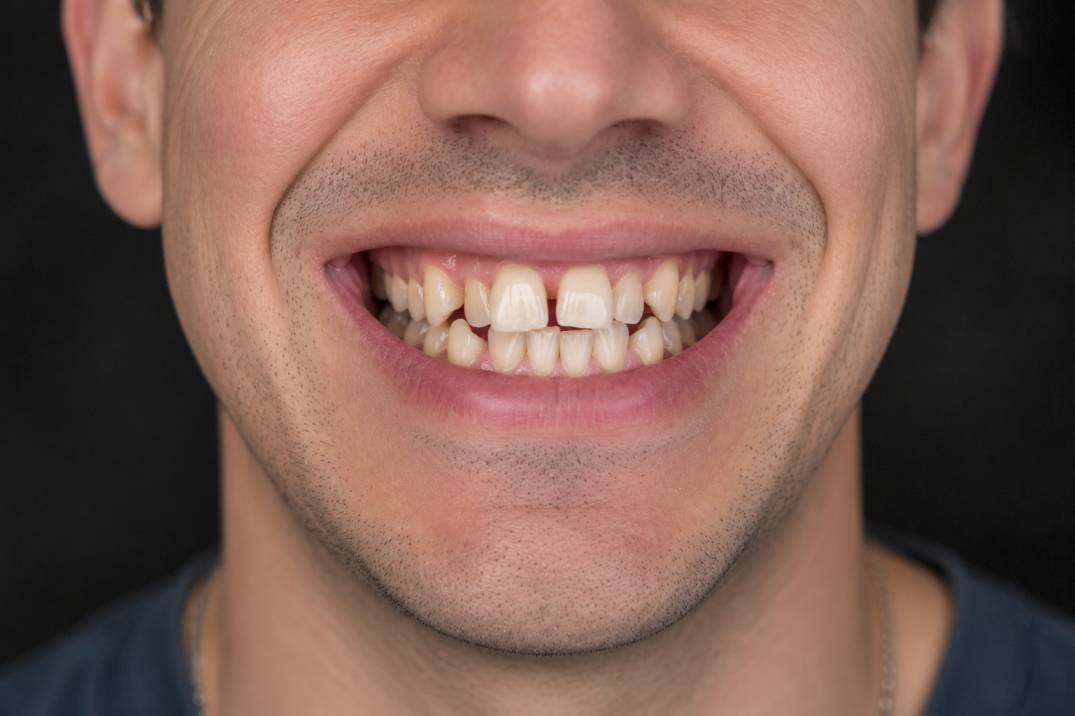
In fact, Invisalign can effectively treat a wide range of dental problems, including overbite, underbite, crossbite, crowded teeth, and gaps between teeth. It uses advanced technology to gradually shift your teeth into the correct position without the need for traditional metal braces.
Another advantage of Invisalign is that it can address both cosmetic and functional dental concerns. Whether you want to improve your smile or correct a bite problem that affects your oral health and comfort, Invisalign may be a viable option.
The key to determining whether Invisalign is right for you is scheduling an initial consultation with an experienced dentist or orthodontist who specializes in this type of treatment. They will evaluate your specific needs and design a customized plan tailored to achieve optimal results.
Ultimately, don’t let the myth that Invisalign is only suitable for minor alignment issues discourage you from exploring this innovative orthodontic solution. With its many benefits and versatility, it may be just what you need to achieve a healthy and beautiful smile!
2. Invisalign is more expensive than traditional braces
One of the most common misconceptions about Invisalign treatment is that it’s more expensive than traditional braces. While it’s true that Invisalign can be slightly more costly, there are several factors to consider when comparing the two options.
Firstly, traditional braces require frequent appointments for adjustments and maintenance, which can add up over time. With Invisalign, however, you typically only need to visit your orthodontist every six to eight weeks.
Additionally, because Invisalign aligners are removable, you don’t have to worry about breaking brackets or wires as you do with traditional braces. This means fewer emergency visits and repairs – not to mention a lower overall cost in the long run.
Many dental insurance plans now cover part or all of the Invisalign treatment – just as they would with traditional braces. It’s always worth checking with your provider before making any decisions on which option is best for you.
While Invisalign may initially come at a slightly higher price point compared to traditional braces – its benefits, such as convenience and fewer maintenance costs, make it an appealing choice for those seeking a discreet way to straighten their teeth.
3. The Invisalign treatment process is longer than traditional braces
One of the most common myths about Invisalign treatment is that it takes longer than traditional braces. This misconception may stem from the fact that some people believe Invisalign only works for minor tooth alignment issues, which inevitably take less time to correct.
However, in many cases, Invisalign can actually achieve faster results than traditional braces. The length of treatment depends on various factors, such as the severity of the dental problem and how compliant a patient is with wearing their aligners.
Invisalign uses advanced technology to map out your entire treatment plan before you even begin wearing your first set of aligners. With this information, each aligner can be precisely tailored to move specific teeth at each stage of the process.
This careful planning often means fewer visits to your orthodontist compared to traditional braces, meaning less time spent in waiting rooms! Additionally, because there are no brackets or wires involved with clear aligners like Invisalign, they don’t require frequent adjustments like metal braces do.
Ultimately, whether you choose Invisalign or traditional braces will depend on your individual needs and preferences. However, believing that one method always requires more time than another isn’t necessarily true, so make sure to discuss all options with a qualified orthodontist before making any decisions!
4. Invisalign requires more maintenance than traditional braces
One common myth about Invisalign treatment is that it requires more maintenance than traditional braces. While it’s true that you need to take care of your aligners properly, the same can be said for any orthodontic treatment.
In fact, many patients find Invisalign easier to maintain than traditional braces because they can remove the aligners to brush and floss their teeth as normal. With traditional braces, food particles can get stuck between brackets and wires, which can lead to decay or gum disease if not cleaned properly.
To keep your Invisalign aligners clean, simply rinse them with water every time you remove them from your mouth. You should also brush them gently with a soft-bristled toothbrush and mild soap once a day. Avoid using hot water or abrasive cleaners, as these may damage the plastic.
Another important aspect of maintaining your Invisalign treatment is wearing each set of aligners for the recommended amount of time before switching to the next set. This typically ranges from 1-2 weeks, depending on your specific case.
While there is some additional maintenance involved with Invisalign treatment compared to traditional braces, it’s minimal and well worth it for the benefits of clear aligners over metal brackets and wires.
5. You have to avoid certain foods while wearing Invisalign
One of the most common myths about Invisalign is that you have to avoid certain foods while wearing them. While it’s true that there are some restrictions, they’re not as strict as many people believe.
The first thing to keep in mind is that since Invisalign aligners are removable, you can take them out when you eat. This means there’s no need to worry about food getting stuck in your braces or damaging them.
However, it’s still recommended to be cautious with what you eat while wearing Invisalign. Sticky and hard-to-chew foods like caramel and popcorn should be avoided because they can damage the aligners or cause discomfort.
It’s also important to limit sugary and acidic drinks such as soda and citrus juices. These can lead to tooth decay and discoloration over time if consumed frequently with aligners on.
Following a healthy diet is always beneficial for your oral health, whether or not you’re undergoing orthodontic treatment. Just remember to remove your aligners before eating and brush your teeth thoroughly before putting them back in place!
6. Invisalign can only be used to correct tooth alignment
Contrary to popular belief, Invisalign treatment can correct more than just tooth alignment issues. While it is true that Invisalign primarily focuses on correcting malocclusions such as overbites, underbites, and crossbites; it can also address other dental problems.
One of the benefits of Invisalign treatment is that aligners are custom-made for each patient’s unique needs. This means that they can be designed to treat a variety of dental issues beyond misaligned teeth. For example, if you suffer from crowded or spaced-out teeth or even mild cases of temporomandibular joint disorder (TMD), Invisalign may be an effective solution.
In addition to treating a wide range of dental issues, Invisalign offers patients several advantages over traditional braces. Since the aligners are removable, patients have greater freedom when it comes to eating and cleaning their teeth. And because there are no wires or brackets involved in the process, patients experience less discomfort during treatment.
Another advantage is that many people find the clear plastic aligners virtually undetectable by others around them! This makes them ideal for adults who wish to correct their smiles without drawing attention to themselves at work or social events.
While straightening crooked teeth is one common use case for Invisalign treatment, its capabilities go far beyond this singular function!
7. You have to wear a retainer after treatment with Invisalign
One common myth about Invisalign treatment is that once your teeth are aligned, you no longer have to wear a retainer. This is actually not true! Just like with traditional braces, it’s important to wear a retainer after Invisalign treatment in order to maintain the results of the alignment process.
Retainers work by holding your teeth in their new positions while the surrounding bone and tissue adjust and stabilize around them. Without a retainer, your teeth may gradually shift back toward their original positions over time.
Fortunately, wearing a retainer after Invisalign treatment is usually much more comfortable than wearing braces or aligners. Many patients only need to wear their retainers at night while they sleep.
Your dentist or orthodontist will provide specific instructions on how often and for how long you should be wearing your retainer post-treatment. It’s important to follow these guidelines closely in order to ensure that your newly-aligned smile stays healthy and beautiful for years to come!
Summary
Invisalign treatment has revolutionized the orthodontic world, providing a discreet and comfortable alternative to traditional braces. However, there are still many myths surrounding Invisalign that may discourage people from seeking this treatment.
After debunking the seven common myths about Invisalign, we hope you now have a better understanding of what this treatment entails. Invisalign is suitable for correcting various teeth alignment issues, including more severe cases. While it may be slightly more expensive than traditional braces, the benefits of comfort and discretion make it worthwhile.
Moreover, with proper care and maintenance, Invisalign aligners can provide efficient results within a similar timeframe as traditional braces. As long as you follow your dentist’s instructions on wearing your aligners properly and keeping them clean, there should be no major complications.
It’s essential to wear retainers after completing any orthodontic treatment to maintain the position of your teeth over time. Your dentist will advise you on how often to wear retainers based on your individual needs.
In conclusion, don’t let these misconceptions stop you from pursuing an effective solution for achieving straighter teeth through Invisalign treatment! Consult with an experienced dental professional today who can guide you through all aspects of this fantastic option for improving your smile!