561-964-5200
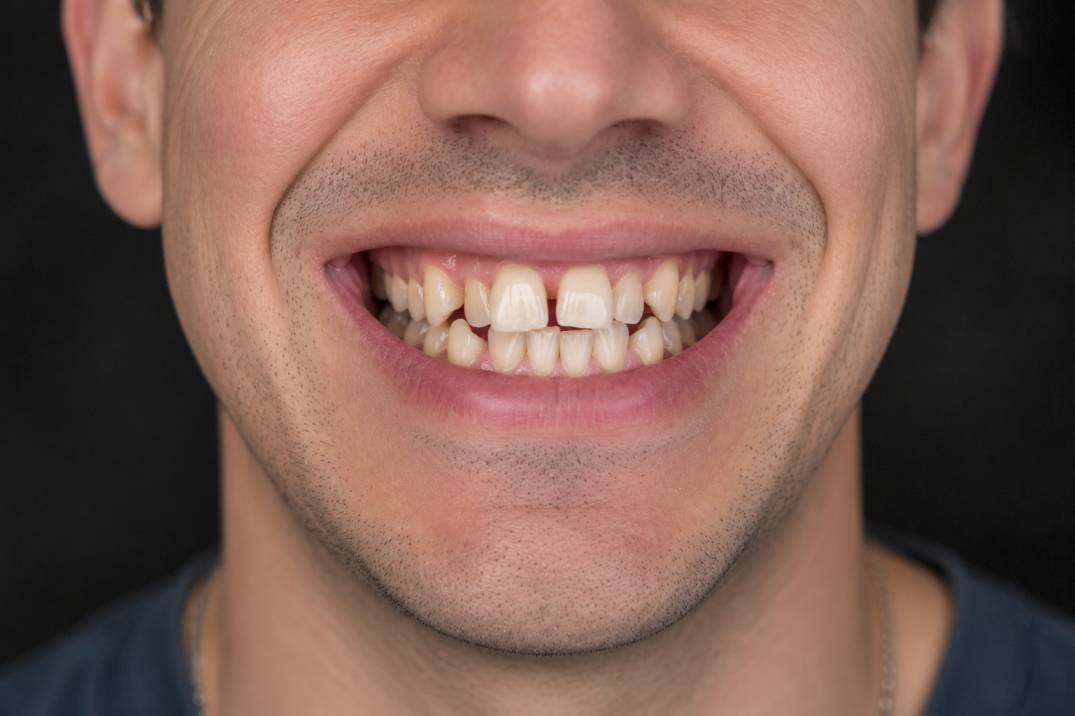
An overbite is a prevalent dental issue where your upper front teeth protrude significantly over your lower teeth. This misalignment can cause not just aesthetic concerns but also impact your speech, bite function, and even jaw health. Traditionally, metal braces have been the go-to solution for correcting overbites. However, in recent years, Invisalign treatment has emerged as a popular alternative, particularly for adults seeking a more discreet approach.
But can Invisalign truly fix your overbite? This blog delves into the world of clear aligners, exploring their effectiveness in treating overbites and offering valuable insights for anyone considering this treatment option.
Causes and Consequences of Overbites
Before diving into Invisalign’s capabilities, let’s understand overbites better. Overbites can be caused by various factors, including:
1. Genetics: Hereditary factors play a significant role in jaw and teeth development, and overbites can run in families.
2. Habits: Thumb sucking, tongue thrusting, or using a pacifier for extended periods can influence jaw growth and contribute to overbites.
3. Early tooth loss: If baby teeth are lost prematurely, it can cause permanent teeth to erupt in abnormal positions, leading to overbites.
Overbites can have several consequences if left untreated. These include:
1. Difficulty chewing: The misaligned bite can make chewing challenging, leading to digestive issues.
2. Speech impediments: Overbites can affect speech patterns, causing lisps or difficulty pronouncing specific sounds.
3. Increased risk of TMJ problems: The temporomandibular joint connects your jaw to your skull. Overbites can put stress on this joint, leading to pain, headaches, and jaw dysfunction.
4. Excessive tooth wear: The abnormal bite pattern can cause uneven wear and tear on your teeth.
5. Cosmetic concerns: Many people feel self-conscious about their overbites, impacting their confidence and smile.
Why Invisalign Treatment is a Discreet Approach to Overbite Correction?
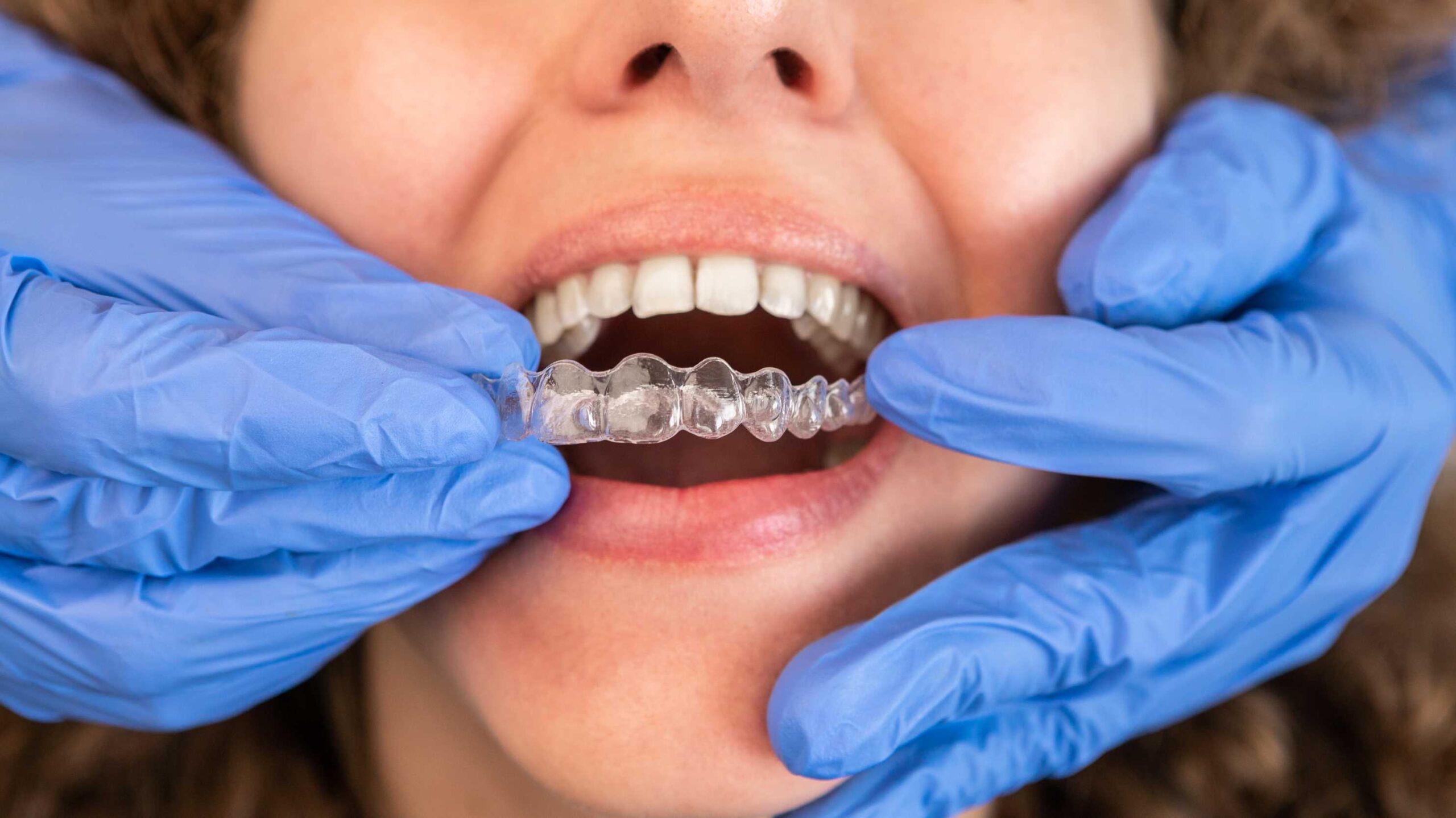
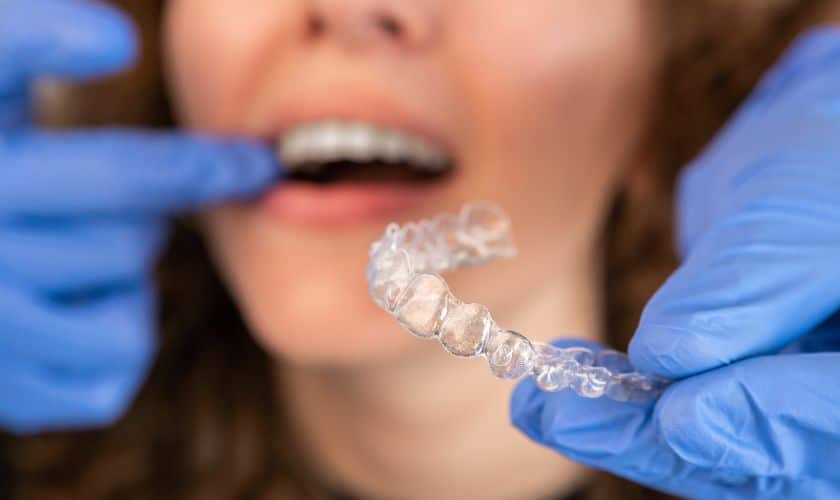
Invisalign treatment offers a clear alternative to traditional braces. It utilizes a series of custom-made, clear plastic aligners that gradually shift your teeth into their desired positions. Unlike metal braces, Invisalign is virtually invisible, making it a preferred choice for many adults who prioritize aesthetics.
Here’s how Invisalign treatment works for overbites:
1. Consultation and Diagnosis: The first step involves an in-depth consultation with an orthodontist. The orthodontist will assess your overbite severity, examine your teeth and jaw structure, and discuss your treatment goals.
2. Digital Scans and Treatment Plan: Using advanced digital scanning technology, your orthodontist will create a 3D model of your teeth. This allows for precise planning of your Invisalign treatment and visualization of your projected outcome.
3. Custom Aligners: Based on the treatment plan, a series of clear aligners are custom-made for you. Each aligner is designed to subtly move your teeth into a more optimal position.
4. Wearing Schedule: You’ll be instructed to wear each aligner set for a specific period, typically around two weeks, before switching to the next set in the series. Consistent wear time is crucial for successful treatment.
5. Regular Monitoring: Throughout the treatment, you’ll have regular appointments with your orthodontist to monitor progress and ensure the aligners are working effectively.
Can Invisalign Fix Overbite?
Invisalign treatment can effectively address mild to moderate overbites. However, the suitability of Invisalign for your specific case depends on several factors:
- Severity of Overbite: For severe overbites, where significant jawbone misalignment exists, traditional braces might offer more precise control over tooth movement.
- Complexity of Case: Invisalign may not be suitable for complex bite issues requiring additional appliances or extractions.
- Patient Compliance: The success of Invisalign treatment hinges on consistent wear time. If you’re not committed to wearing the aligners as instructed, the treatment may not be effective.
Here are some additional points to consider:
- Age: While Invisalign can be used for both adults and teens, treatment for younger patients might be faster due to their growing jawbones.
- Cost: Invisalign treatment can be comparable to or slightly more expensive than traditional braces.
- Treatment Time: The duration of Invisalign treatment for overbites typically ranges from 12 to 24 months, depending on the complexity of the case.
How Invisalign for Overbites Improved Oral Health?
If you’re considering Invisalign treatment for your overbite, remember that a beautiful smile is just one of the benefits. Correcting your overbite can lead to numerous positive outcomes, including:
1. Improved chewing function: With a properly aligned bite, you’ll be able to chew food more efficiently, aiding digestion.
2. Clearer speech: Overbite correction can eliminate speech impediments caused by misaligned teeth.
3. Reduced risk of TMJ problems: A balanced bite reduces stress on the jaw joint, potentially preventing TMJ pain and dysfunction.
4. Enhanced dental health: Proper tooth alignment makes oral hygiene easier, reducing the risk of cavities and gum disease.
5. Increased confidence: A straighter smile can boost self-esteem and enhance your overall well-being.
If you’re interested in exploring Invisalign treatment for your overbite, schedule a consultation with an orthodontist experienced in clear aligner therapy. During the consultation, discuss your concerns, goals, and any questions you might have. A qualified orthodontist can guide you through the process, assess your suitability for Invisalign, and develop a personalized treatment plan to achieve a healthier, more confident smile.