561-964-5200

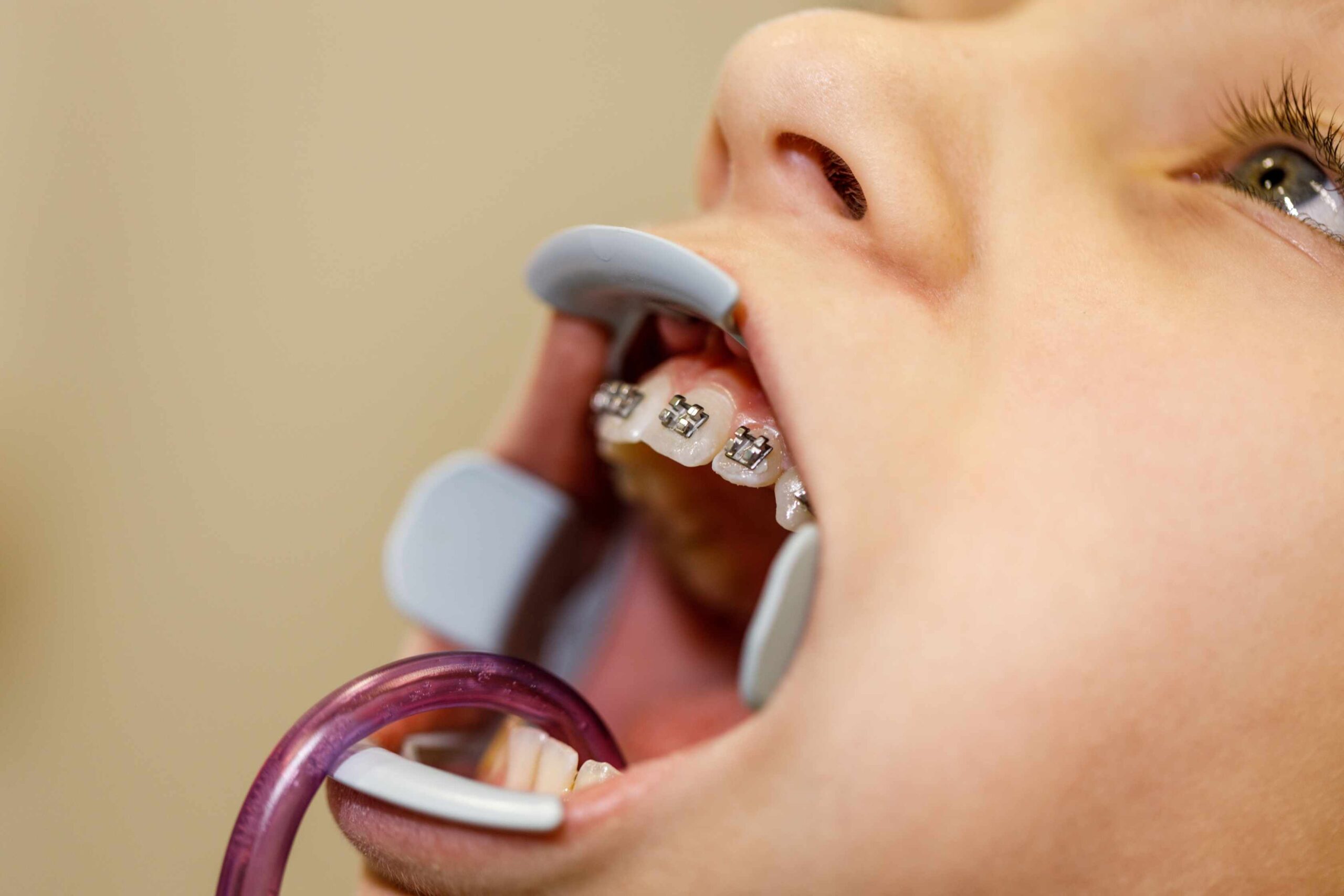
The sight of a child sporting braces is no longer uncommon. Gone are the days when orthodontic treatment was solely reserved for teenagers. Today, many children get braces for children as early as age seven or eight. This shift in approach has left some parents wondering – why the change? Isn’t adolescence the traditional time for braces?
The answer lies in the growing recognition of the benefits of early orthodontic treatment. While traditional braces placed during adolescence can certainly achieve a straight smile, early intervention offers a unique set of advantages that can positively impact a child’s oral health and development.
What is Early Orthodontic Treatment?
Early orthodontic treatment, also known as interceptive orthodontics, focuses on addressing potential orthodontic problems in their early stages, typically when a child has a mix of baby and permanent teeth. This treatment aims to guide the jaw and teeth into a more favorable position, often laying the groundwork for a smoother and more efficient orthodontic treatment later on.
Here are some of the tools commonly used in early orthodontic treatment:
1. Space maintainers: These appliances hold open space in the jaw for permanent teeth to erupt properly, especially after premature baby tooth loss.
2. Palatal expanders: These devices gently widen the upper jaw to create more space for crowded teeth.
3. Headgear: This appliance works in conjunction with braces to correct jaw growth discrepancies.
4. Removable aligners: Similar to Invisalign for adults, these clear aligners can be used in some cases to address minor crowding or spacing issues.
It’s important to note that early orthodontic treatment isn’t a one-size-fits-all approach. An orthodontist will carefully assess a child’s individual needs and determine if early intervention is beneficial.
Benefits of Early Orthodontic Treatment
Early orthodontic treatment offers a range of advantages that go beyond just achieving a straight smile. Here are some of the key benefits:
1. Improved jaw development: By gently guiding jaw growth, early intervention can help create more space for permanent teeth to erupt properly. This can reduce the risk of overcrowding, impaction (teeth trapped below the gum line), and other issues that might necessitate extractions later on.
2. Reduced risk of dental injuries: Protruding front teeth are more susceptible to accidental damage. Early intervention can help correct these issues, lowering the risk of injury during play or falls.
3. Improved bite function: Early treatment can address bite problems like crossbites or overbites, leading to better chewing function and reduced wear and tear on teeth.
4. Enhanced self-esteem: A straight smile can significantly boost a child’s confidence during their crucial social development years. Early intervention can lay the groundwork for a smile they can be proud of.
5. Simplified future treatment: Addressing issues early on can sometimes shorten the duration and complexity of traditional braces treatment later on.
Who is a Candidate for Early Orthodontic Treatment?
Several factors can determine if a child might benefit from early orthodontic treatment. These include:
1. Crowded or misaligned teeth: If permanent teeth are erupting in a crowded or misaligned manner, early intervention can help guide them into a more optimal position.
2. Early loss of baby teeth: Premature loss of baby teeth can create space closure issues. Early intervention can ensure adequate space for permanent teeth.
3. Jaw discrepancies: Underdeveloped or misaligned jaws can impact bite and tooth alignment. Early intervention can promote proper jaw development.
4. Harmful oral habits: Thumb sucking or tongue thrusting can affect tooth position. Early intervention can help address these habits and minimize their impact.
Braces for Child: Addressing Concerns
It’s natural to have questions and concerns when it comes to your child’s oral health. Here are some common concerns parents might have regarding early orthodontic treatment:
1. Is it painful? Most early orthodontic appliances cause minimal discomfort. However, some mild soreness or pressure might be felt initially as the teeth and jaw adjust.
2. Will it affect their speech? Removable appliances might cause slight speech impediments initially, but these typically resolve quickly as the child adapts.
3. How will it impact their daily life? Early orthodontic appliances are generally well-tolerated and shouldn’t significantly impact a child’s daily activities. The orthodontist can guide specific activities like playing sports, where additional precautions might be needed.
4. What about the cost? Early orthodontic treatment can vary in cost depending on the complexity of the case and the type of appliances used. Many dental insurance plans offer some coverage for orthodontics. Discuss financial options and payment plans with the orthodontist’s office.
The Consultation Process
If you suspect your child might benefit from early orthodontic treatment, the first step is to schedule a consultation with a qualified orthodontist. An orthodontist is a dentist with specialized training in diagnosing, preventing, and correcting misaligned teeth and jaws.
During the consultation, the orthodontist will:
- Conduct a thorough examination of your child’s teeth and jaws.
- Take X-rays and dental impressions to assess underlying structures.
- Discuss your child’s oral health history and any concerns you may have.
- Determine if early orthodontic treatment is recommended and, if so, what type of appliance would be most suitable.
The decision to pursue early orthodontic treatment for your child is a personal one. By consulting with a qualified orthodontist in West Palm Beach, you can gain a clear understanding of the potential benefits and considerations involved. Ultimately, the goal is to ensure your child’s oral health and well-being, and early intervention can be a valuable tool in achieving that goal.