561-964-5200
Orthodontics is used to improve or correct a wide range of dental health concerns. Most people think about visible issues such as crooked or crowded teeth. But sometimes it can also help with problems that are less obvious, including impacted teeth.
Impacted teeth are often hidden, and many people are not aware of how they can affect oral health. As an orthodontic care provider serving the West Palm Beach area, we know that impacted teeth can sometimes lead to bite problems or affect the position of nearby teeth. In this guide, we explain what an impacted tooth is and how orthodontic treatment may help in certain situations.
What Is an Impacted Tooth?
An impacted tooth occurs when a tooth does not fully erupt through the gum. This usually happens because there is not enough space in the mouth or because the tooth is growing at an angle.
When a tooth cannot erupt normally, it may remain trapped in the gum or partially emerge. In some situations, the tooth presses against neighboring teeth, which can lead to crowding or discomfort.
Impacted teeth can sometimes affect surrounding teeth if the condition is left untreated for a long period of time.
Teeth That Are Most Commonly Impacted
Several teeth can become impacted, but certain ones are more likely to cause alignment concerns. Upper canine teeth are among the most commonly impacted teeth seen in orthodontics. These teeth play an important role in guiding the bite and helping with chewing.
Other teeth that may become impacted include:
- Wisdom teeth
- Premolars
- Molars
Each case is different. The position and angle of the tooth usually determine how it is treated.
Types of Tooth Impaction
Impacted teeth can develop in a few different ways depending on how the tooth is positioned in the jaw.
Partial eruption: This occurs when a tooth breaks through the gum but cannot fully emerge. The tooth may be blocked by another tooth or lack enough space.
Angular impaction: A tooth grows at an angle instead of upright, preventing it from erupting properly.
Vertical impaction: The tooth is positioned correctly, but cannot emerge because it is too close to another tooth.
Horizontal impaction: In this situation, the tooth grows sideways within the jaw. This can place pressure on neighboring teeth.
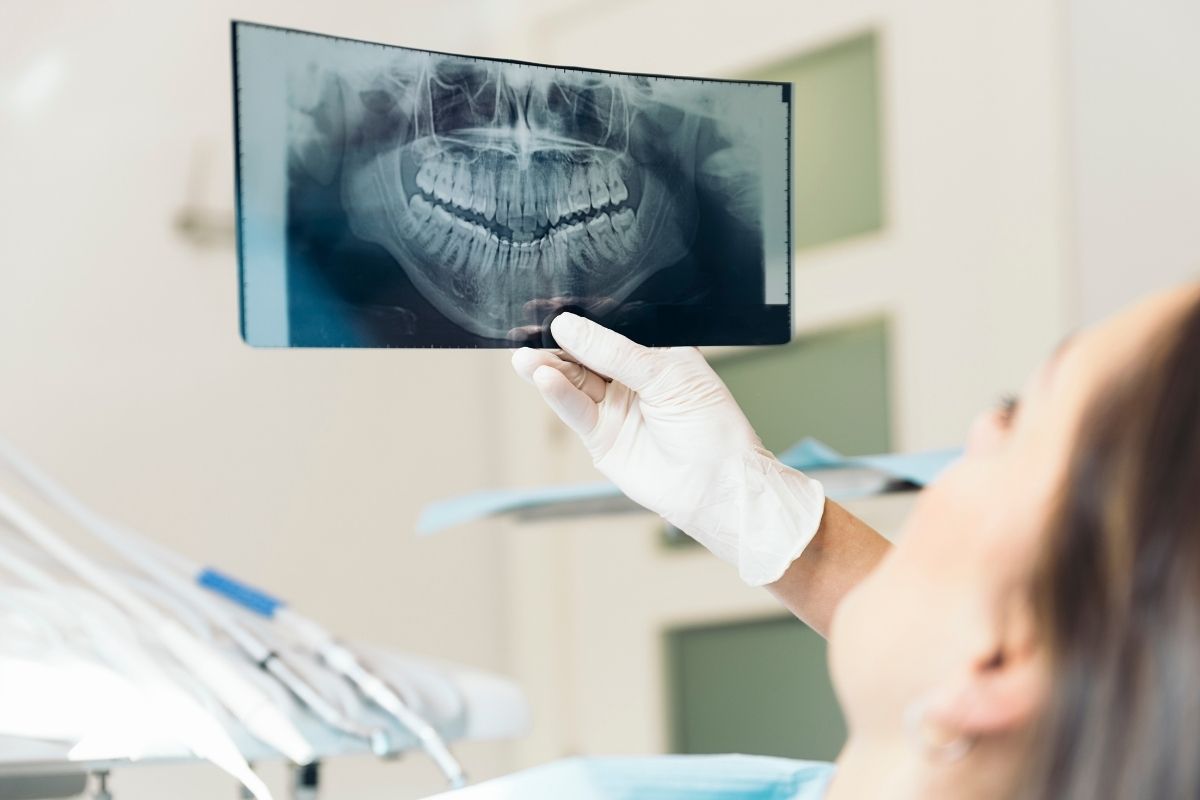
A dental exam and x-ray usually determine the exact type of impaction a person has.
How Do You Know if a Tooth Is Impacted?
Many people do not realize they have an impacted tooth until it appears on an X-ray during a dental visit.
However, some people may notice symptoms such as:
- Tender or swollen gums
- Pain in the area where a tooth should erupt
- Difficulty opening the mouth fully
- Headaches or jaw discomfort
If any of these symptoms occur, it may be helpful to have the area examined by a dentist or orthodontist.
How Orthodontics Can Help
Braces can sometimes help guide an impacted tooth into the correct position. This is most often done with impacted canine teeth, which orthodontists commonly see in practice. The approach depends on where the tooth is located, how much space is available in the dental arch, and the patient’s age.
Early Stage Treatment
If a possible impaction is identified early, steps can sometimes be taken to help the tooth erupt on its own.
In younger patients, an orthodontist may recommend:
- Removing a baby tooth to create space for the permanent tooth
- Using a space maintainer to preserve room for the erupting tooth
- Expanding the upper jaw if more space is needed
Because a child’s jaw is still developing, it may be easier to guide the tooth into place at an earlier stage.
Braces for Impacted Canine Teeth
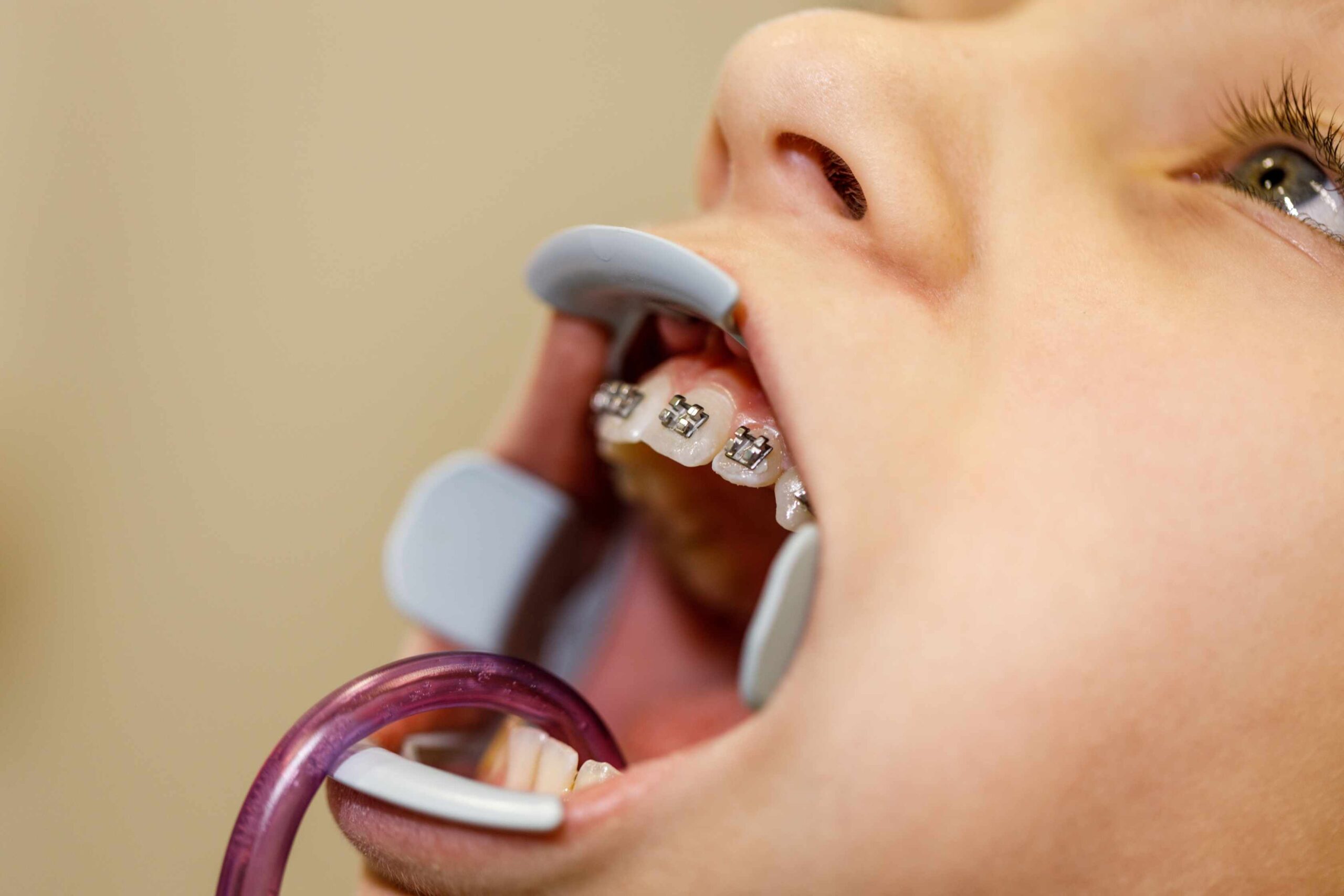
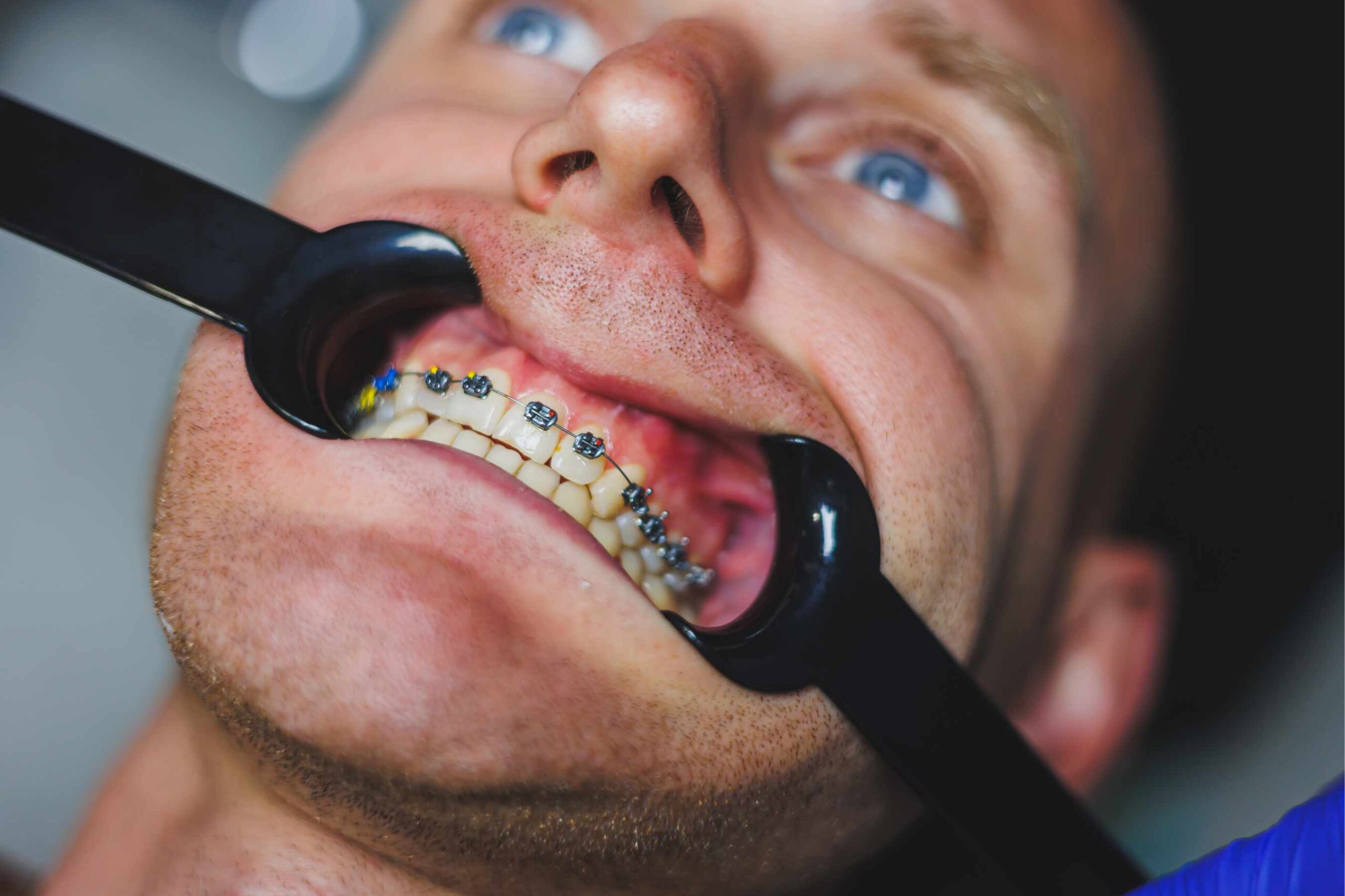
Braces are commonly used to assist with impacted canine teeth. Before the tooth can be guided into place, enough room must be created in the dental arch.
If the tooth does not erupt on its own, a minor surgical procedure performed by an oral surgeon may be needed to uncover it. Once the tooth is exposed, a small orthodontic attachment can be placed on it so braces can gently guide it into position.
As the tooth moves into alignment, braces can also help correct any crowding or spacing that developed because of the impaction.
Can Invisalign Treat Impacted Teeth?
Clear aligners such as Invisalign® are not typically used to bring an impacted tooth into the mouth. Impacted teeth often require the type of controlled movement that braces provide.
In some situations, aligners may still be used later to improve the alignment of the remaining teeth after the impacted tooth has been addressed.
When Orthodontics May Not Be Enough
Not every impacted tooth can be treated with orthodontic care.
In certain cases, the tooth may be severely damaged or fused to the bone, a condition sometimes known as ankylosis. When this happens, the tooth may not respond to orthodontic movement. If the tooth cannot be moved safely, removal may be recommended.
Regular dental visits can help identify these concerns earlier, which may allow for more treatment options.
When to Seek Advice
If you or your child has a tooth that has not erupted as expected, it may be helpful to have it evaluated.
Orthodontic assessments and dental x-rays can show whether a tooth is developing normally or if it may become impacted.
Speak With Our Team
Questions about impacted teeth or dental alignment are common, and our team at McCaffrey Orthodontics is always happy to provide guidance. Dr. McCaffrey is a board-certified orthodontist serving the West Palm Beach area and provides orthodontic care for patients of all ages. Contact us to learn more about your options and determine whether orthodontic treatment may be helpful. Our team can evaluate your smile, review any concerns, and discuss the next steps if needed.
We have a single office in the Greenacres area, just west of West Palm Beach’s city center. We welcome families from Royal Palm Beach, Boynton Beach, River Bridge, and other nearby communities.
Restoring Your Smile’s Foundation
An impacted tooth is more than just a hidden dental hurdle; it’s a puzzle that requires a specialized plan to solve. Whether you’ve noticed a lingering baby tooth or are experiencing jaw discomfort, addressing impactions early is the key to preventing long-term crowding and alignment issues. With precise treatment, even a trapped tooth can be guided into its proper position to ensure a healthy and functional bite.