561-964-5200
A loose bracket, poking wire, lost aligner, or sudden injury can be alarming when you are undergoing orthodontic treatment. However, not every unexpected problem requires an immediate office visit.
Knowing when to contact an emergency orthodontist in West Palm Beach can help you protect your mouth, reduce discomfort, and prevent unnecessary delays in treatment. Some issues can be managed temporarily at home, while severe pain, bleeding, swelling, or facial trauma may require immediate professional attention.
Here is how to recognize the difference and what to do until you receive care.
What Counts as an Orthodontic Emergency
A true orthodontic emergency is an issue that causes intense pain, uncontrolled bleeding, significant swelling, difficulty breathing or swallowing, or trauma to the teeth, mouth, or jaw.
Most braces-related problems are considered urgent rather than life-threatening. They still deserve attention, but patients can often use orthodontic wax or another temporary measure until the office provides instructions.
Contact your orthodontist whenever you are uncertain. Describing what happened and sending a clear photo may help the team determine whether you need an immediate visit or can wait until your next scheduled appointment.
Severe Pain That Does Not Improve
Mild soreness is common after braces are placed, adjusted, or after a patient changes to a new set of aligners. This discomfort normally improves as the teeth and mouth adjust.
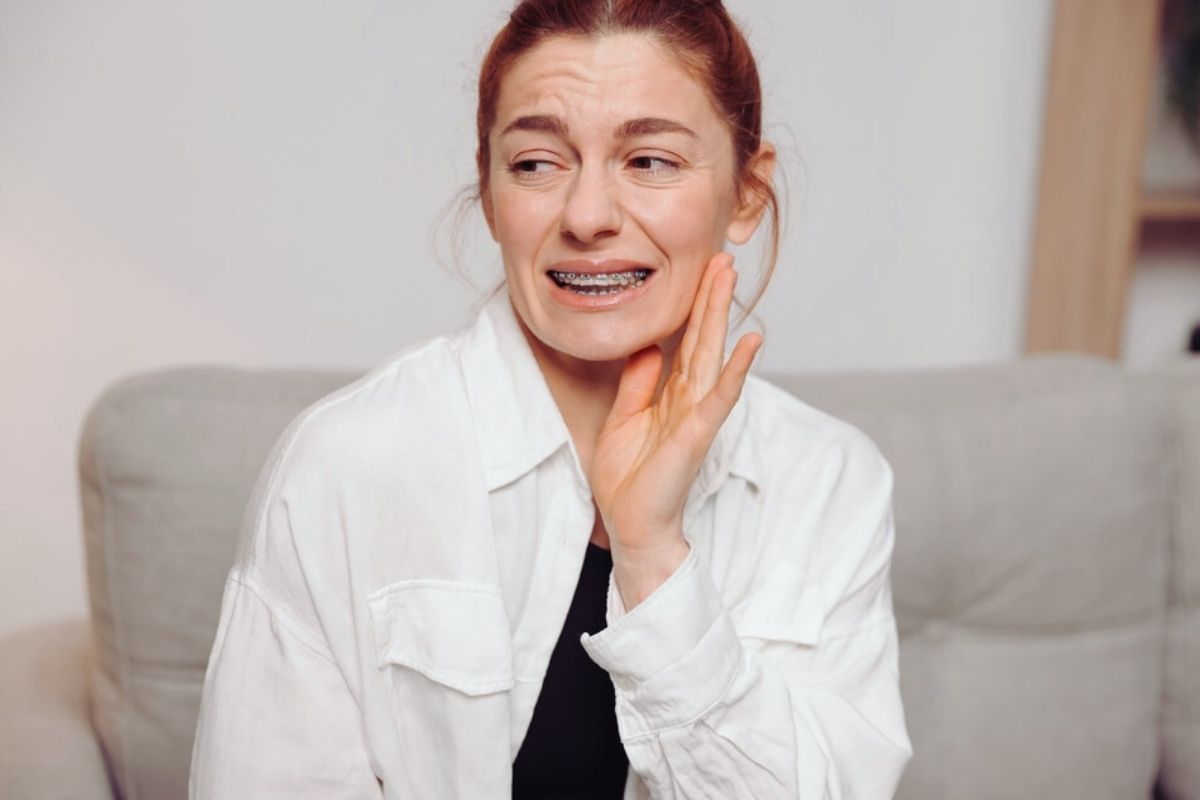
Pain that becomes severe, continues to worsen, interrupts sleep, or does not respond to the care instructions provided by your orthodontist should not be ignored. It could be related to a damaged appliance, injury, infection, or another dental concern.
Call the orthodontic office and explain where the pain is located, when it began, and whether you have swelling, fever, bleeding, or difficulty opening your mouth.
A Broken or Loose Bracket
A bracket may become loose after biting into hard or sticky food, experiencing an impact, or placing pressure on the appliance. If the bracket remains attached to the wire and is not causing pain, it may not require an after-hours appointment.
Avoid moving or pulling it. Place orthodontic wax over the bracket if it rubs against your cheek, and call the office for guidance. The orthodontist may recommend scheduling a repair because an inactive bracket can prevent the affected tooth from moving as planned.
Patients can review the practice’s braces treatment information to understand how orthodontic appliances work and why professional repairs matter.
A Wire Is Poking Your Cheek or Gums
A wire may shift or extend beyond the last bracket as the teeth move. Although this is usually not dangerous, it can irritate the cheek or create a sore area.
Try gently moving the wire away from the irritated tissue with a clean cotton swab or the eraser end of a pencil. Orthodontic wax can also create a temporary barrier between the wire and your mouth.
Sea of Smiles advises patients to call the office if the wire continues to cause pain after temporary measures are attempted. Its orthodontic emergency care page also provides instructions for common appliance problems.
Do not repeatedly bend, pull, or cut an orthodontic wire without first contacting the office for guidance.
Facial Trauma During Sports or Recreation
West Palm Beach residents enjoy year-round school sports, boating, cycling, basketball, soccer, and other outdoor activities. Unfortunately, a collision or fall can injure the lips, teeth, jaw, or orthodontic appliances.
The Centers for Disease Control and Prevention advises people to wear a mouthguard during contact sports and high-risk activities. The CDC’s sports guidance also states that people with braces should wear a mouthguard to help protect their mouths from collisions.
After a facial injury, check for displaced or knocked-out teeth, uncontrolled bleeding, severe swelling, jaw misalignment, dizziness, or difficulty breathing. These symptoms may require urgent dental care, medical attention, or a hospital emergency department rather than only an orthodontic appointment.
Once immediate injuries have been addressed, contact your orthodontist so the braces, wires, attachments, or aligners can be examined.
A Lost or Damaged Invisalign Aligner
A lost aligner does not usually create a medical emergency, but it can interrupt planned tooth movement. Do not automatically move to the next tray unless your orthodontist instructs you to do so.
Depending on when the aligner was lost, the orthodontist may recommend wearing the previous set, moving forward, or ordering a replacement. A cracked aligner may sometimes remain usable, but an aligner that has split, become distorted, or developed sharp edges needs professional guidance.
Contact the office promptly and explain how long you wore the missing or damaged tray.
Swelling Bleeding or Signs of Infection
Minor irritation from a bracket can sometimes produce a small sore, but spreading swelling, pus, fever, a bad taste, or persistent bleeding may indicate a dental problem that requires timely care.
An orthodontist may need to coordinate with your general dentist or another healthcare professional because braces repairs alone may not address the underlying condition.
Call 911 or seek emergency medical assistance when swelling affects breathing or swallowing, bleeding cannot be controlled, or a facial injury may involve a broken jaw.
What to Do Before Your Emergency Appointment
Remain calm and contact the orthodontic team before attempting major adjustments yourself. Explain the appliance involved, describe the symptoms, and mention whether an accident occurred.
Keep any broken pieces in a clean container and bring them to the appointment. Use orthodontic wax for irritating brackets or wires, choose soft foods, and avoid chewing on the affected area. Continue gentle brushing unless your provider advises otherwise.
For urgent concerns, patients in West Palm Beach, Wellington, Greenacres, Royal Palm Beach, Lake Worth, Boynton Beach, and surrounding communities can contact McCaffrey Orthodontics at 561-964-5200.
Get the Right Care Without Delay
Most orthodontic problems are manageable when patients respond calmly and contact their provider early. A loose bracket or irritating wire may only need a simple repair, while facial trauma, uncontrolled bleeding, severe swelling, or breathing difficulties require immediate attention.
You can meet Dr. Kevin McCaffrey to learn more about the practice’s approach to orthodontic care. For an urgent concern or a new-patient evaluation, contact the West Palm Beach office for personalized guidance.
Frequently Asked Questions
Is a loose bracket an orthodontic emergency?
A loose bracket is usually urgent rather than dangerous, but you should contact your orthodontist to prevent treatment delays.
What should I do about poking braces wire?
Cover the wire with orthodontic wax and call your orthodontist if irritation or pain continues.
Should I visit an emergency room for broken braces?
Visit an emergency room when the injury causes breathing difficulty, uncontrolled bleeding, severe facial trauma, or suspected jaw damage.
What should I do if I lose an Invisalign aligner?
Contact your orthodontist before changing trays because you may need to wear your previous aligner or receive a replacement.
Can I play sports while wearing braces?
Yes, but the CDC recommends wearing a mouthguard during contact sports and other activities with a risk of oral injury.