561-964-5200
If you or your child is considering orthodontic treatment, you probably have questions about safety, especially about wearing metal braces for an extended period. At McCaffrey Orthodontics West Palm Beach, we hear this question often, and it deserves a clear, honest answer. The short answer is yes- metal braces are safe for long-term use. But understanding why they are safe, and what you need to do to keep your oral health in good shape throughout treatment, can help you feel confident about moving forward.
Metal braces have been used for decades to straighten teeth and correct bite problems. They remain one of the most widely used orthodontic options in the country, for good reason. This blog breaks down what makes them safe, what to watch out for, and what you should realistically expect during treatment.
What Are Metal Braces Made Of?
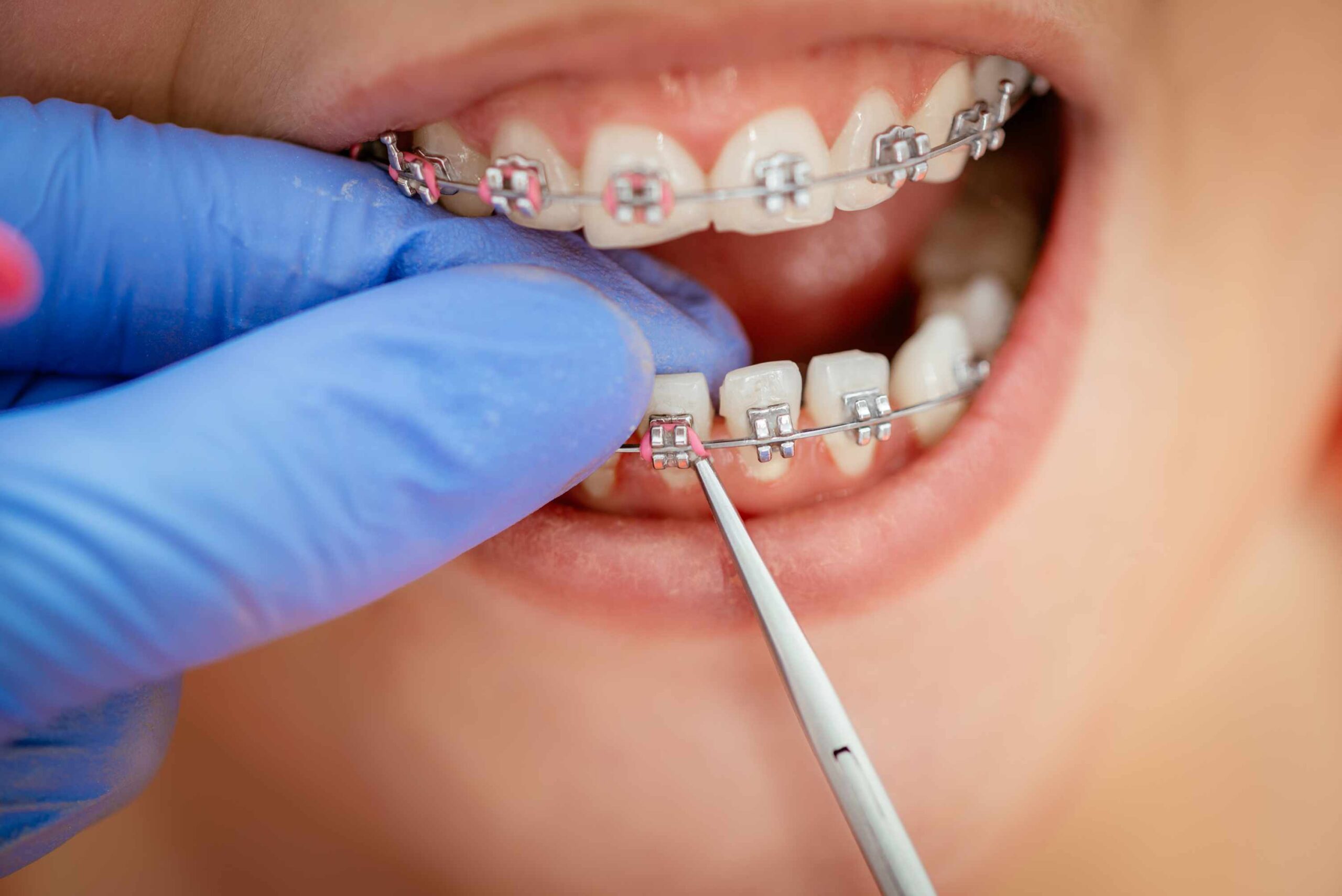
Metal braces consist of a few key components:
- Brackets– Small metal squares that are bonded directly to the front surface of each tooth
- Archwires– Thin metal wires threaded through the brackets to apply controlled pressure
- Elastic bands– Small rubber bands that hold the archwire in place and help guide tooth movement
The materials used are medical-grade stainless steel or high-quality nickel-titanium alloys. These are the same categories of materials used in surgical implants and other medical devices. They are FDA-approved, biocompatible, and designed to be safe inside the human mouth for extended periods.
Why Metal Braces Are Considered Safe for Long-Term Use
1. Biocompatible Materials
The stainless steel and titanium alloys used in metal braces are non-toxic and do not leach harmful chemicals into your body. They are resistant to corrosion and rust, which means they hold up well in the warm, moist environment of your mouth over months and years of wear.
Your body does not react adversely to these materials under normal circumstances. They are designed to sit in your mouth without triggering inflammation or tissue damage when properly fitted and monitored.
2. No Enamel Damage When Properly Maintained
One common concern people raise is whether braces damage tooth enamel. When fitted correctly and kept clean, metal braces do not erode enamel. The risk of enamel damage comes from poor oral hygiene; if plaque and bacteria build up around the brackets for extended periods, that can cause white spots or early-stage decay. This is a hygiene issue, not a materials issue.
Your orthodontist will give you specific instructions for brushing and flossing around your brackets. Sticking to that routine is what keeps your enamel protected throughout treatment.
3. Gradual, Controlled Tooth Movement
Metal braces move teeth through a slow, deliberate process. The archwire applies gentle, consistent pressure, and your orthodontist adjusts that pressure at regular appointments (typically every 4–8 weeks). This gradual approach protects the roots and surrounding bone structures from trauma.
Treatment that is rushed or improperly monitored can cause root resorption, a shortening of tooth roots. This is why professional oversight matters so much. With proper management, tooth movement through metal braces is safe for both children and adults.
4. Suitable for All Ages
Metal braces are safe for children, teenagers, and adults. For younger patients, they work well alongside natural jaw growth and tooth development. For adults, they are still highly effective at correcting even complex alignment issues that might not respond as well to alternative treatments.
Common Concerns And The Real Facts
Do metal braces cause allergies?
A small number of people are sensitive to nickel, which is present in some stainless steel alloys. If you or your child has a known metal allergy, mention this to your orthodontist before treatment begins. Nickel-free or titanium-only options are available for patients who need them.
Do they rust inside your mouth?
No. The alloys used in orthodontic braces are specifically engineered to resist corrosion. You will not notice degradation of the brackets or wires during the course of treatment.
Will they set off metal detectors?
The amount of metal in dental braces is minimal and typically does not trigger standard security equipment. This is a common worry, but rarely a real-world issue.
How long will treatment take?
Most patients wear metal braces for 18 to 24 months, though the duration may be shorter or longer depending on the case’s complexity. Your orthodontist will give you a more accurate timeline after an initial examination.
How to Take Care of Your Teeth During Treatment
Staying on top of oral hygiene is the single most important thing you can do to ensure metal braces are safe for your teeth over time. Here are the key habits to maintain:
- Brush after every meal– food particles easily get trapped around brackets. Brushing after eating keeps bacteria from building up.
- Floss daily– Use a floss threader or orthodontic floss picks to clean between teeth and under wires.
- Use fluoride toothpaste– Fluoride strengthens enamel and provides extra protection against decay.
- Attend all scheduled appointments– Your orthodontist monitors not just tooth movement but also the health of your gums and enamel at every visit.
- Avoid hard, sticky, or crunchy foods– Popcorn, hard candy, gum, and similar items can break brackets or bend wires, which may prolong treatment.
What Happens After Braces Come Off?
Once your braces are removed, your orthodontist will fit you with a retainer. This is a critical step. Teeth naturally want to shift back toward their original positions after treatment, a phenomenon called relapse. Wearing your retainer as instructed prevents this from happening and preserves the results you worked for.
Retainers are typically worn full-time for the first few months, then at night on a long-term basis. Some patients wear them indefinitely at night to keep their smile stable. Your orthodontist will walk you through the specific protocol for your case.
Visit Our Dental Office in West Palm Beach
If you have been wondering whether metal braces are the right option for your situation, the most helpful next step is a professional consultation. Visit our dental office to have your teeth and bite evaluated. Our team will take a close look at your alignment, discuss your treatment goals, and walk you through all your options so you can make an informed decision. There is no pressure, just clear information tailored to your needs.
The West Palm Beach community deserves access to thorough, honest orthodontic guidance, and that is exactly what we aim to provide at every appointment.
Moving Forward with Confidence in Your Orthodontic Care
Metal braces have earned their reputation as a reliable, safe, and proven method of orthodontic treatment. When made from the right materials, properly fitted by a trained orthodontist, and maintained with consistent oral hygiene, they pose no significant health risks, even during long-term wear. They work for kids, teens, and adults alike, and they are especially well-suited for complex alignment cases where precise control over tooth movement is needed.
If you are weighing your options or simply want to understand more about what treatment involves, do not let uncertainty hold you back. Come in, ask your questions, and get the answers you need directly from a professional. Your smile is worth it. Call at 561-964-5200 to book an appointment today for the right orthodontic care you need.
Frequently Asked Questions (FAQs)
Are metal braces safe for children under the age of 10?
Metal braces can be used for younger children when medically appropriate, though most orthodontists recommend waiting until most permanent teeth have erupted. Your orthodontist will determine the right time based on your child’s specific development.
Can I get an MRI while wearing metal braces?
Yes, in most cases you can. Stainless steel braces are generally MRI-compatible, though you should inform your radiologist and orthodontist beforehand so any necessary precautions can be taken.
Is it normal for metal braces to cause soreness?
Mild soreness in the days following placement or an adjustment appointment is completely normal. It usually fades within two to four days as your teeth adjust to the new pressure. Over-the-counter pain relief and soft foods can help during that window.
How often do I need to see my orthodontist while wearing braces?
Most patients come in every four to eight weeks for adjustment appointments. These visits allow your orthodontist to check progress, make wire changes, and monitor your overall oral health throughout treatment.
What happens if a bracket breaks or a wire pops out?
Contact your orthodontist as soon as possible to schedule a repair appointment. A broken bracket or loose wire will not cause immediate harm, but it can slow down your treatment progress if left unaddressed for too long.