561-964-5200
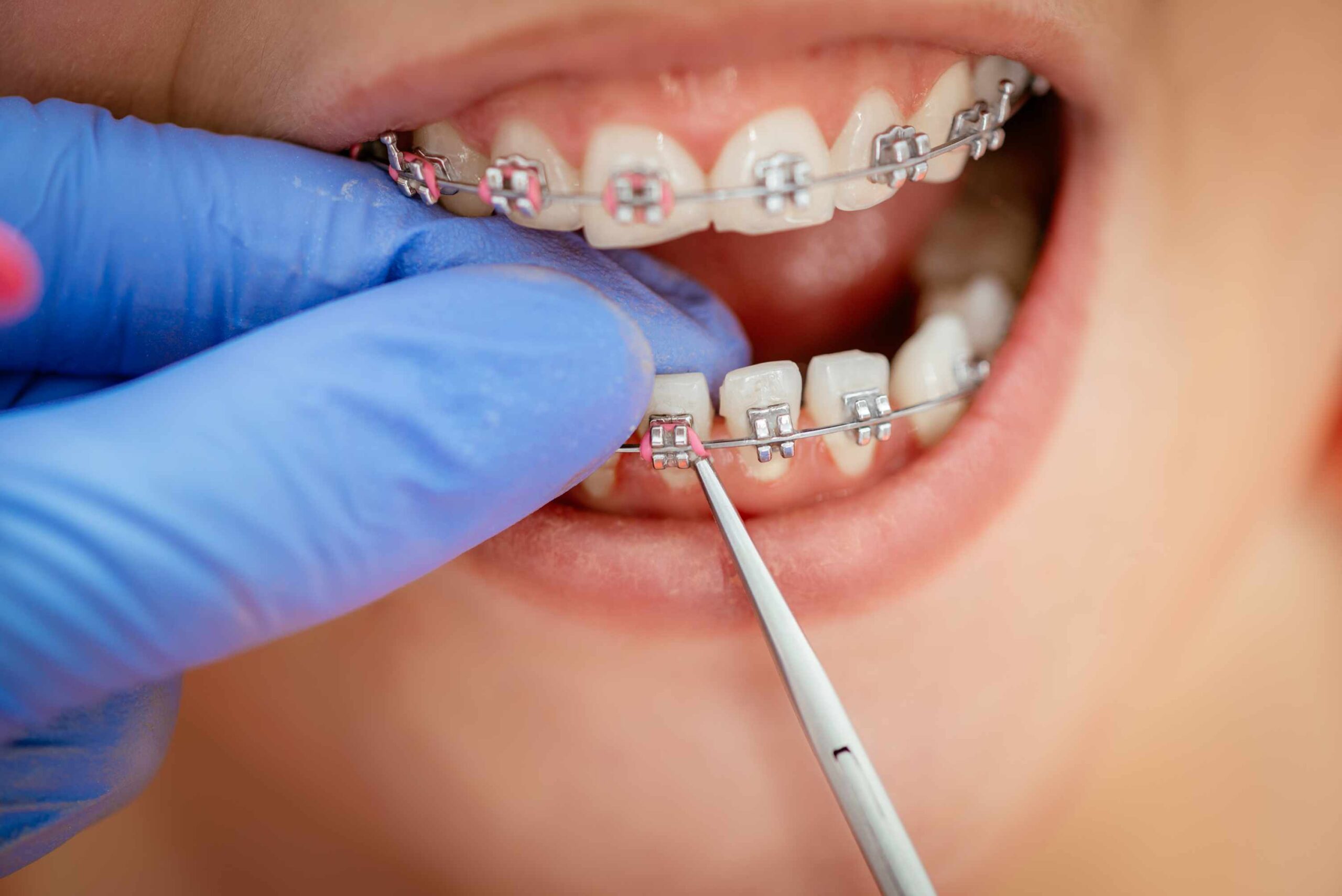
Braces are often associated with teenagers, school photos, and an impressive collection of colored elastics. In reality, orthodontic treatment has no strict upper age limit. Adults in their 20s, 40s, 60s, and beyond may be candidates for braces when their teeth, gums, and supporting bone are healthy enough for treatment.
The American Association of Orthodontists states that age is rarely the deciding factor in orthodontic treatment. Teeth can continue to move throughout adulthood, which means many alignment and bite concerns can still be corrected later in life.
For adults considering braces in West Palm Beach, the better question is not, “Am I too old?” It is, “Which treatment fits my teeth, health, and lifestyle?”
Why Do Adults Choose Braces?
Some adults never received orthodontic treatment as children. Others wore braces years ago but experienced tooth movement after they stopped wearing their retainers. Teeth can shift over time regardless of whether someone previously completed orthodontic treatment.
Adults may consider braces because of:
- Crowded or overlapping teeth
- Gaps between teeth
- An overbite, underbite, or crossbite
- Teeth that have shifted after previous treatment
- Difficulty cleaning between misaligned teeth
- Uneven tooth wear
- Discomfort when biting or chewing
- A desire to feel more confident about their smile
The reason can be cosmetic, functional, or both. Orthodontic treatment is not merely about producing straighter front teeth. It also considers how the upper and lower teeth meet and whether the bite distributes pressure appropriately.
Can Adult Teeth Still Move?
Yes. Adult teeth respond to controlled orthodontic pressure much like younger teeth do. Braces use brackets and archwires to guide teeth gradually into planned positions.
The main difference is that adults are no longer growing. Certain jaw-development problems may therefore require a different treatment approach than they would in a child. Adults are also more likely to have crowns, bridges, implants, missing teeth, gum concerns, or previous dental work that must be considered during planning.
These factors do not automatically prevent treatment. They simply make a thorough examination and personalized plan more important.
Do Your Teeth and Gums Need to Be Healthy?
Healthy gums and supporting bones are essential before beginning braces. Active gum disease may need to be treated and stabilized first because orthodontic movement depends on the tissues surrounding each tooth.
Your orthodontist may also work with your general dentist or another dental specialist when treatment involves:
- Gum disease
- Missing teeth
- Dental crowns or bridges
- Dental implants
- Significant tooth wear
- Planned restorative dental work
Adults should continue receiving routine dental exams and cleanings throughout orthodontic treatment. Braces straighten teeth, but they do not replace preventive dental care.
Are Traditional Metal Braces the Only Option?
No. Adults may have several treatment options depending on their alignment, bite, and personal preferences.
Traditional metal braces remain a dependable choice for mild, moderate, and complex orthodontic problems. They are fixed to the teeth, so patients do not need to remember to put them back in after meals.
Clear ceramic braces work similarly but use tooth-colored or translucent brackets to create a less noticeable appearance. They can appeal to adults who want fixed treatment without prominent metal brackets.
Clear aligners may also be available for suitable cases. They are removable and discreet, but they must be worn consistently for the recommended number of hours each day. The best option depends on clinical needs, not only appearance.
McCaffrey Orthodontics offers braces and clear aligner treatment for adult patients in West Palm Beach. The practice evaluates each patient’s teeth, jaws, bite, and goals before recommending treatment.
How Long Do Adult Braces Take?
There is no single treatment timeline for every adult. The length of treatment may be influenced by:
- The severity of crowding or spacing
- The type of bite problem
- The number of teeth requiring movement
- Previous dental work
- Gum and bone health
- The selected orthodontic appliance
- Attendance at scheduled appointments
- Following care instructions
Minor corrections may take less time than comprehensive bite treatment. An orthodontic consultation is necessary to provide a realistic estimate based on your case.
Treatment should not be rushed simply because an adult has a wedding, reunion, or important event approaching. Teeth tend to be deeply unimpressed by deadlines.
What Is It Like Wearing Braces as an Adult?
Most adults continue working, socializing, exercising, and handling daily responsibilities during treatment. There may be an adjustment period after braces are placed and following some appointments. Temporary tenderness can usually be managed with soft foods and the instructions provided by the orthodontic team.
You will need to clean carefully around brackets and wires, avoid foods that could damage the appliance, and attend progress visits. Adults who play contact sports should also use an orthodontic mouthguard.
After treatment, wearing a retainer as directed is essential. Without retention, teeth can gradually shift again, regardless of the patient’s age.
Serving West Palm Beach and Nearby Communities
McCaffrey Orthodontics provides adult orthodontic care in West Palm Beach and welcomes patients from nearby communities, including Lake Worth, Wellington, Royal Palm Beach, Greenacres, Lantana, and Boynton Beach.
Whether you are addressing long-standing crowding or teeth that shifted after previous treatment, the first step is a complete orthodontic evaluation. Your consultation can clarify which appliance is appropriate, how long treatment may take, and what financial options are available.
Explore your options for braces in West Palm Beach and schedule an appointment with McCaffrey Orthodontics to receive a treatment plan built around your smile, oral health, and lifestyle.
Frequently Asked Questions (FAQ’s)
1. Is 40 or 50 too old to get braces?
No. Adults may receive braces at many ages as long as their teeth, gums, and supporting bone are healthy enough for treatment.
2. Do braces take longer for adults?
Not necessarily, although treatment time depends on bite complexity, oral health, previous dental work, and the movements required.
3. Can I get braces if I have crowns or fillings?
Often, yes. The orthodontist will evaluate existing dental work and adapt the treatment plan when necessary.
4. Are clear braces available for adults?
Clear ceramic braces may be available for adults who want a less noticeable fixed orthodontic option.
5. How do I know which adult braces are right for me?
An orthodontic examination can determine whether metal braces, clear braces, or clear aligners best fit your needs.