561-964-5200

The teenage years are a key period for jaw growth and bite development. As facial structures change, certain alignment issues may begin to surface, sometimes subtly and sometimes more noticeably. One of the most important bite conditions dental professionals monitor during this stage is an underbite.
An underbite that develops during adolescence does not always appear suddenly. In many cases, the signs emerge gradually as the lower jaw moves forward relative to the upper jaw. Recognizing the early changes can help families understand what is happening and when a checkup may be helpful.
What Is an Underbite?
An underbite occurs when the lower teeth sit in front of the upper teeth when the mouth is closed. In orthodontics, this is referred to as a Class III bite. In teens, underbites are often influenced by growth patterns, genetics, or both.
Because jaw development continues through the teenage years, underbite progression can change over time. For this reason, treatment during adolescence focuses on tracking growth rather than only the position of the teeth.
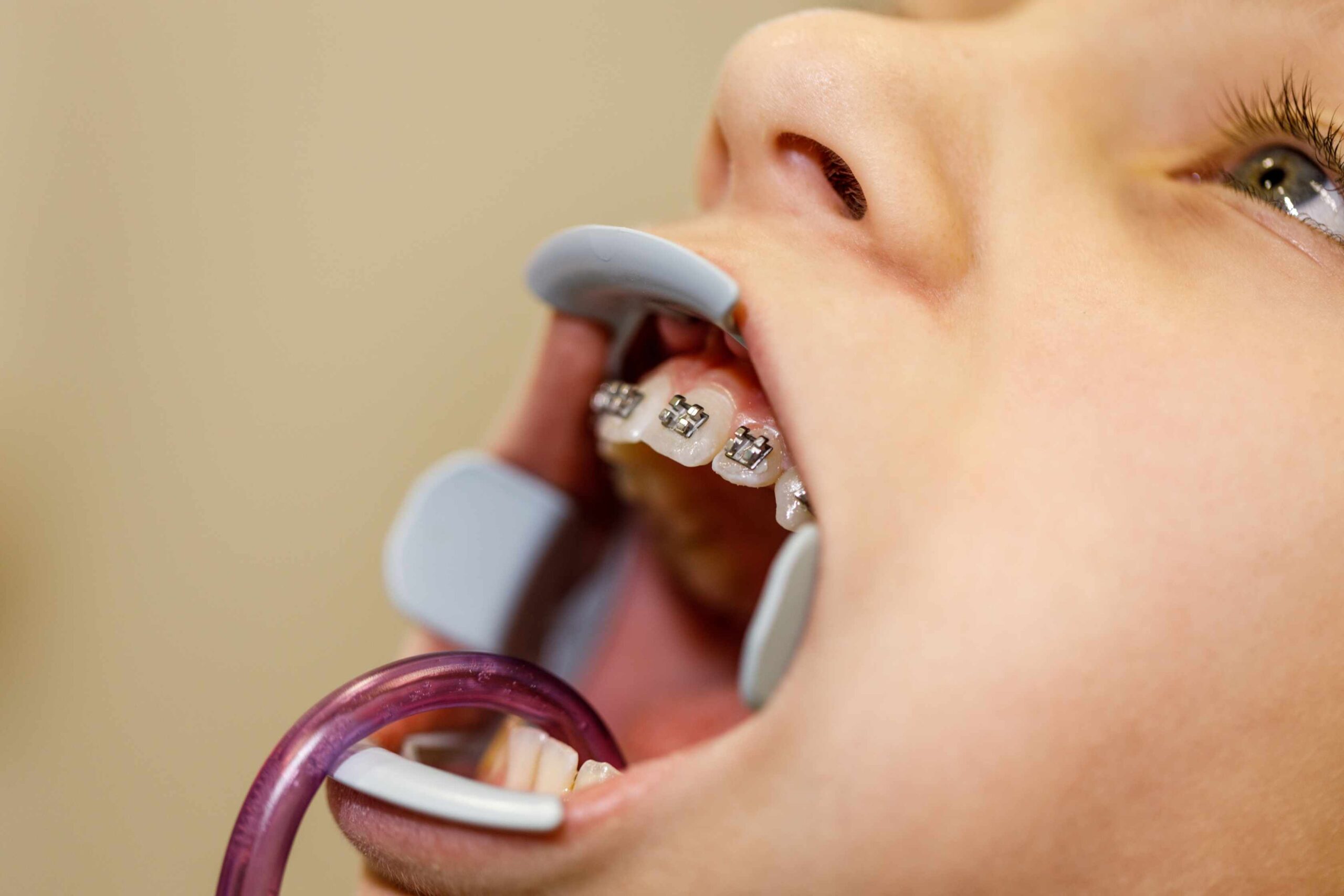
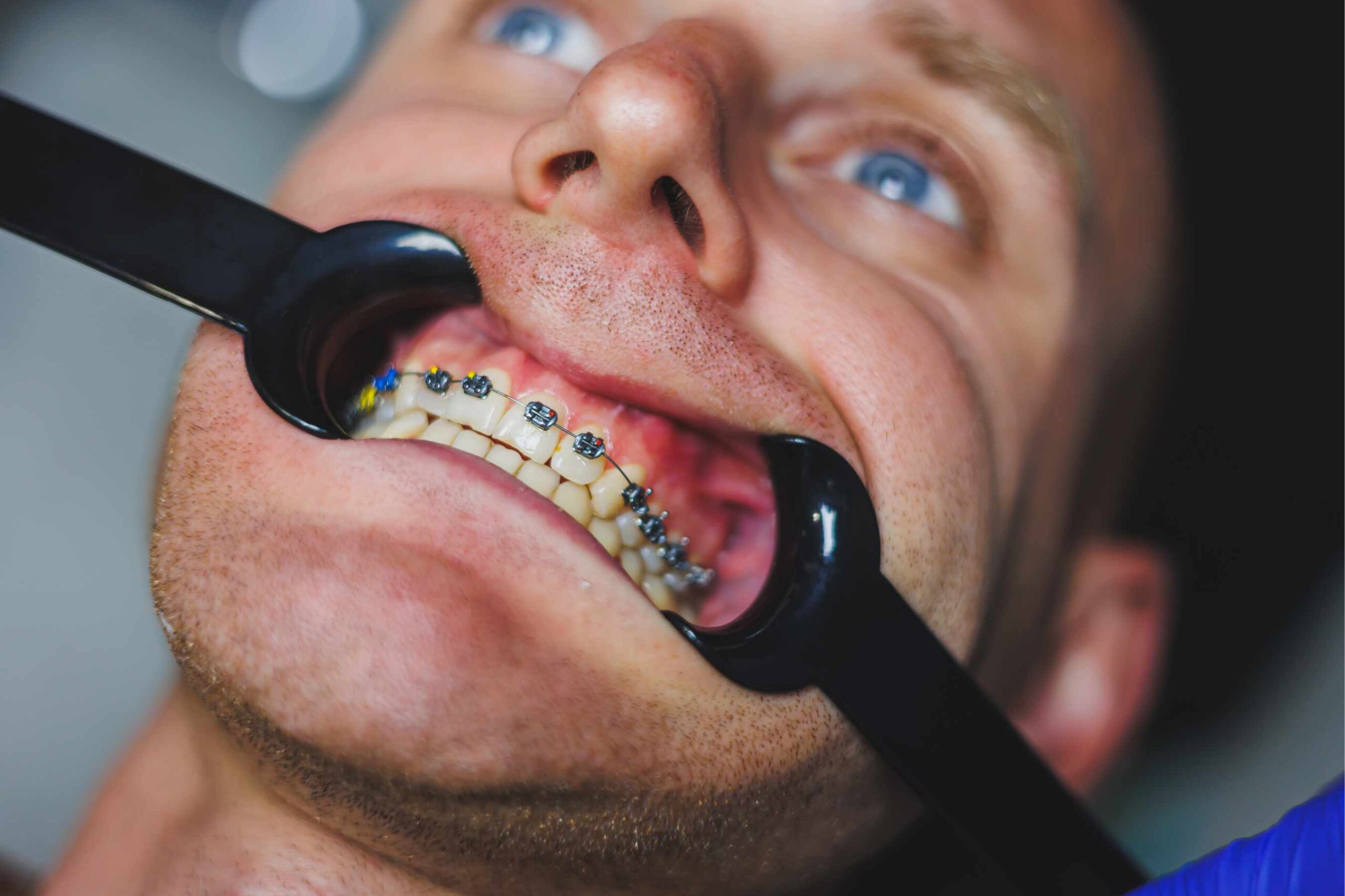
At McCaffrey Orthodontics, consultations for underbite concerns begin with an evaluation of how a teen’s bite is developing. We consider timing, growth stage, and bite function before recommending next steps. Based on the initial assessment, we may recommend braces or modern orthodontic options, such as Invisalign® Teen, for adolescents with underbite concerns. These treatment options offer flexibility in addressing bite alignment while fitting into the active lifestyles many South Florida teens lead.
Below are some signs that may indicate a developing underbite in teens.
Signs of Underbite Development in Teenagers
Underbite development does not always cause pain or immediate functional problems, which is why it can go unnoticed at first. Some of the most common early signs include changes in bite position, facial balance, or jaw movement. Parents may observe:
- Lower front teeth overlapping upper teeth when biting down
- A forward-positioned lower jaw, especially noticeable from the side
- Difficulty biting into foods such as burgers or crusty bread
- Jaw shifting forward when closing the mouth
- Speech differences, particularly with certain consonants
- Uneven wear on front teeth
These signs do not always appear all at once. Even small changes can be meaningful when tracked over time by a specialist.
Why Underbites Often Progress During the Teen Years
Adolescence is marked by growth spurts, and the lower jaw may continue developing longer than the upper jaw. For teens predisposed to an underbite, this growth pattern can make the bite more pronounced over time.
Monitoring jaw growth during this stage allows orthodontists to determine whether the bite is stabilizing or continuing to shift forward. This insight helps guide treatment timing and approach without rushing decisions.
When an Orthodontic Evaluation Makes Sense
An evaluation may be appropriate if bite changes are becoming more noticeable or if daily functions feel different. It can be especially useful when:
- The lower jaw appears more prominent than before
- Teeth no longer fit together the same way
- Chewing or biting feels awkward
- There is a family history of underbite or jaw alignment concerns
An evaluation does not automatically lead to treatment. In many cases, it simply provides clarity and a plan for monitoring growth.
If you are looking for a team to partner with you in supporting your teen’s smile alignment as they grow in the West Palm Beach area, we invite you to call us at 561-964-5200 to schedule a consultation. Our doctor, Dr. McCaffrey, is a Board Certified Orthodontist and a Diamond Invisalign® provider. At our office, we bring together advanced orthodontic technology, quality care, and attentive service to create individualized treatment solutions for every patient.
Navigating the Path to a Balanced Smile
Understanding the early signs of an underbite is not about rushing into immediate correction; it is about staying informed as your teen’s facial structure takes its final shape. Because the jaw is so dynamic during adolescence, what may seem like a small shift today can significantly affect bite function and facial symmetry tomorrow.
By monitoring these changes early, families can move away from uncertainty and toward a clear, predictable plan. Whether the next step is simple observation or starting a treatment like Invisalign Teen, the goal remains the same: ensuring that as your teen grows into adulthood, their smile is as healthy, functional, and confident as possible.