561-964-5200
Many parents are surprised to learn that orthodontic concerns can begin long before all permanent teeth have erupted. As a child’s mouth and jaws develop, certain alignment issues may increase the risk of crowding, bite problems, and, in some cases, the need for tooth extractions later on.
One common question parents ask is whether early orthodontics can help children avoid extractions in the future. The answer depends on several factors, but early intervention can often create opportunities to guide dental development and address problems before they become more complex.
At McCaffrey Orthodontics, we provide early orthodontic treatment for children throughout West Palm Beach and the surrounding Palm Beach area. Dr. McCaffrey is the only Board Certified Orthodontist in the Palm Beach area, and he focuses on helping children develop healthy, functional smiles through personalized care and timely intervention when appropriate.
What Is Early Orthodontics?
Early orthodontics, sometimes called Phase 1 treatment, involves evaluating and addressing developing orthodontic issues while a child still has a mix of baby teeth and permanent teeth.
The goal is not necessarily to straighten every tooth at an early age. Instead, treatment focuses on guiding jaw growth, creating adequate space for incoming permanent teeth, improving bite function, and reducing the severity of future orthodontic problems.
The American Association of Orthodontists recommends that children receive an orthodontic evaluation by age seven. At this stage, an orthodontist can identify concerns that may benefit from monitoring or early intervention.
Why Do Some Children Need Tooth Extractions?
Tooth extractions may become necessary when there is insufficient space for permanent teeth to erupt properly.
Several factors can contribute to this situation:
- Narrow dental arches
- Significant crowding
- Improper jaw development
- Impacted teeth
- Severe bite discrepancies
- Genetic factors affecting tooth and jaw size
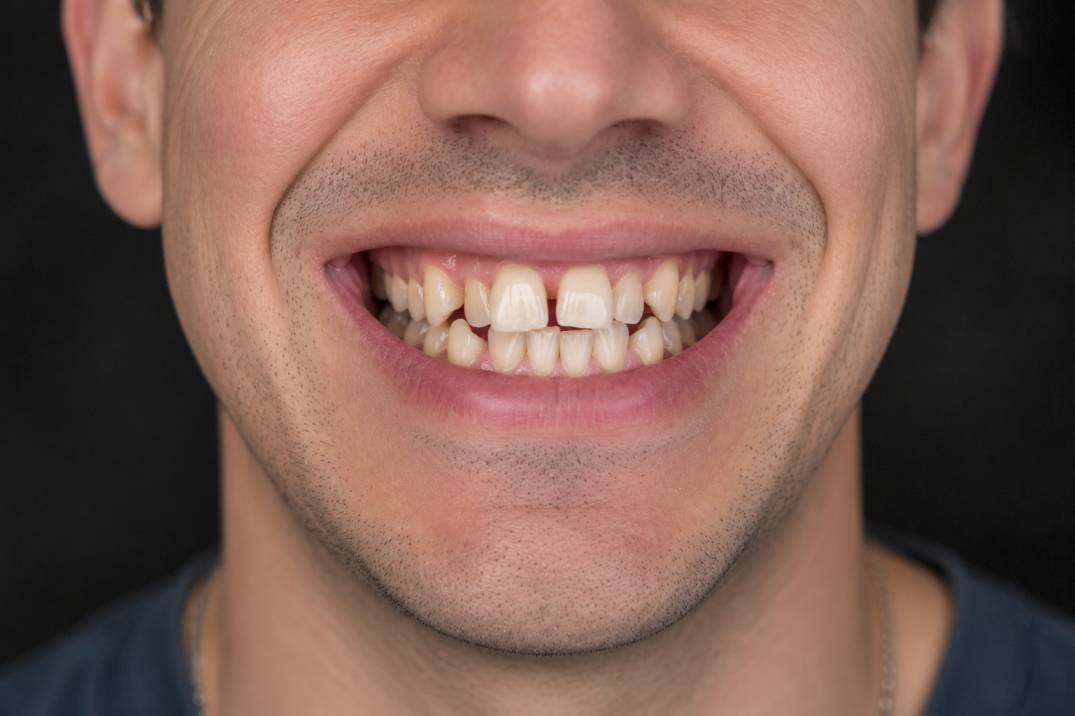
When teeth do not have enough room, they may become crowded, rotate, erupt outside the dental arch, or remain trapped beneath the gums.
While extractions are sometimes the most appropriate treatment option, early orthodontics may help reduce the likelihood of needing them in certain cases.
How Early Treatment May Help Reduce the Need for Extractions
Early orthodontic treatment focuses on guiding growth while the jaws are still developing. Because children’s bones are more responsive during growth, orthodontists can often address space and alignment concerns more effectively than they can later in adolescence or adulthood.
Creating Space for Permanent Teeth
One of the primary goals of early treatment is to encourage proper development of the dental arches.
When the arches develop appropriately, permanent teeth may have more room to erupt naturally. This can decrease the severity of crowding and reduce the need for future extractions.
Guiding Jaw Growth
In some children, the upper and lower jaws do not develop in harmony. Early intervention may help guide growth patterns and improve the relationship between the jaws.
Improved jaw development can create a healthier foundation for permanent teeth and future orthodontic treatment.
Addressing Harmful Oral Habits
Thumb sucking, prolonged pacifier use, and tongue-thrust habits can affect jaw development and tooth positioning.
Early orthodontic care may help identify and address these habits before they contribute to more significant orthodontic concerns.
Managing Developing Bite Problems
Conditions such as crossbites, underbites, and severe overbites can sometimes affect how the jaws and teeth develop.
Treating these concerns early may help support healthier growth and reduce the complexity of future treatment.
Does Early Orthodontics Guarantee That Extractions Will Not Be Needed?
No.
While early orthodontics can improve space management and jaw development, it does not guarantee that a child will avoid extractions.
Every child has a unique combination of genetics, growth patterns, and dental development. Some patients may still require extractions later to achieve optimal function, alignment, and long-term stability.
The advantage of early evaluation is that it allows an orthodontist to identify potential concerns and determine whether proactive treatment may improve future outcomes.
Signs Your Child May Benefit from an Early Evaluation
Parents often wonder whether their child needs to see an orthodontist before all permanent teeth have erupted.
Some signs that may indicate the need for an evaluation include:
- Crowded baby teeth
- Early or late loss of baby teeth
- Difficulty chewing or biting
- Crossbite or underbite
- Teeth that appear blocked or impacted
- Mouth breathing
- Thumb sucking beyond early childhood
- Protruding front teeth
- Noticeable jaw asymmetry
Even if no obvious problems are present, an early assessment can help monitor growth and development.
What Happens During an Consultation?
An early orthodontic consultation is designed to evaluate how a child’s teeth and jaws are developing.
The orthodontist may assess:
- Tooth eruption patterns
- Jaw growth
- Bite alignment
- Available space for permanent teeth
- Facial development
- Oral habits that may affect growth
After the evaluation, recommendations may include monitoring development, beginning early treatment, or waiting until additional permanent teeth emerge.
Benefits of Early Orthodontics Beyond Extraction Prevention
Reducing the likelihood of extractions is only one potential benefit of early treatment.
Depending on the child’s needs, early orthodontics may also help:
- Improve jaw alignment
- Enhance chewing function
- Support healthy facial development
- Reduce the risk of impacted teeth
- Improve speech development in some cases
- Protect protruding teeth from injury
- Simplify future orthodontic treatment
Early intervention is not necessary for every child, but it can provide meaningful advantages when certain developmental concerns are present.
Why Early Evaluation Matters
Many orthodontic problems develop gradually. By the time crowding or bite issues become obvious, treatment options may be more limited.
An early evaluation allows parents to understand how their child’s smile is developing and whether any preventive steps may be beneficial.
Monitoring growth at the right time can help orthodontists make informed decisions that support both oral health and long-term treatment success.
If you are wondering whether your child may benefit from early orthodontic treatment, our team at McCaffrey Orthodontics is here to help.
Dr. McCaffrey, the only Board Certified Orthodontist in the Palm Beach area, provides personalized orthodontic care for children and carefully evaluates developing smiles to identify potential concerns before they become more significant. Contact us today to schedule a consultation and learn whether early orthodontics may help support your child’s healthy dental development.
Planning for a Healthier Future Smile
While early orthodontics cannot guarantee that a child will avoid tooth extractions, it can play an important role in managing growth, creating space for developing teeth, and addressing concerns before they become more severe.
An early orthodontic evaluation provides valuable insight into your child’s dental development and helps determine whether preventive treatment may offer long-term benefits. By identifying potential issues at the right stage of growth, families can make informed decisions that support healthier smiles and more predictable treatment outcomes.
Frequently Asked Questions
Can early orthodontics prevent tooth extractions?
In some cases, early orthodontic treatment may help create space for permanent teeth and reduce the severity of crowding. However, treatment does not guarantee that extractions will never be needed.
What age should a child see an orthodontist?
Most orthodontists recommend an initial evaluation around age seven. This allows developing orthodontic concerns to be identified early.
Does every child need early orthodontic treatment?
No. Many children only need monitoring until they are ready for comprehensive treatment. An orthodontic evaluation helps determine the most appropriate timing.
How do orthodontists create more space for permanent teeth?
Depending on the child’s needs, orthodontists may use appliances that support arch development, guide jaw growth, and improve alignment during key stages of development.
Is early orthodontics only for severe cases?
Not necessarily. Early treatment is often recommended for developing bite problems, crowding concerns, jaw growth issues, or habits that may affect dental development.
Can early treatment make future orthodontic treatment easier?
In some cases, yes. Addressing certain concerns during growth may simplify future treatment and improve overall outcomes.