561-964-5200
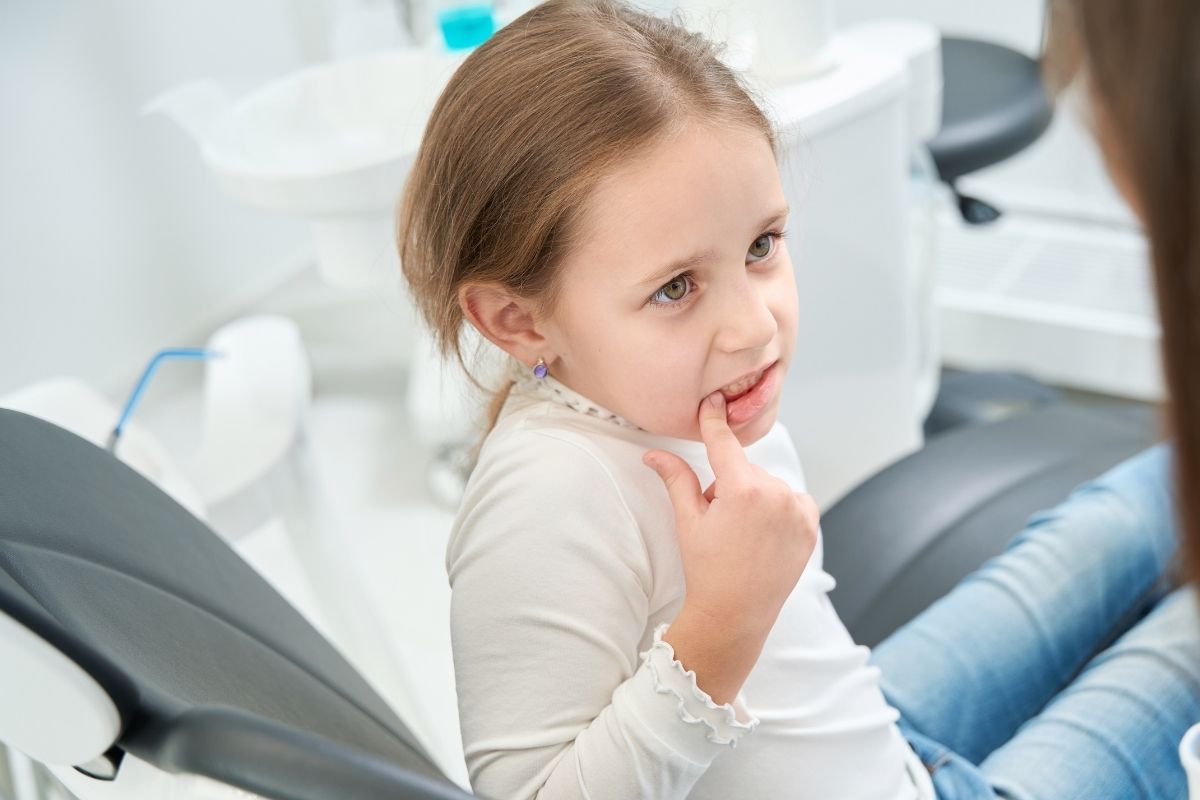
Many parents notice crooked teeth first, but bite problems in children often begin much earlier. Difficulty chewing, mouth breathing, speech changes, or teeth that do not fit together properly can all point to developing orthodontic concerns. In many cases, these problems are caused by genetics, thumb sucking habits, jaw growth patterns, or early tooth loss. Identifying bite issues early can help prevent more complicated orthodontic problems later.
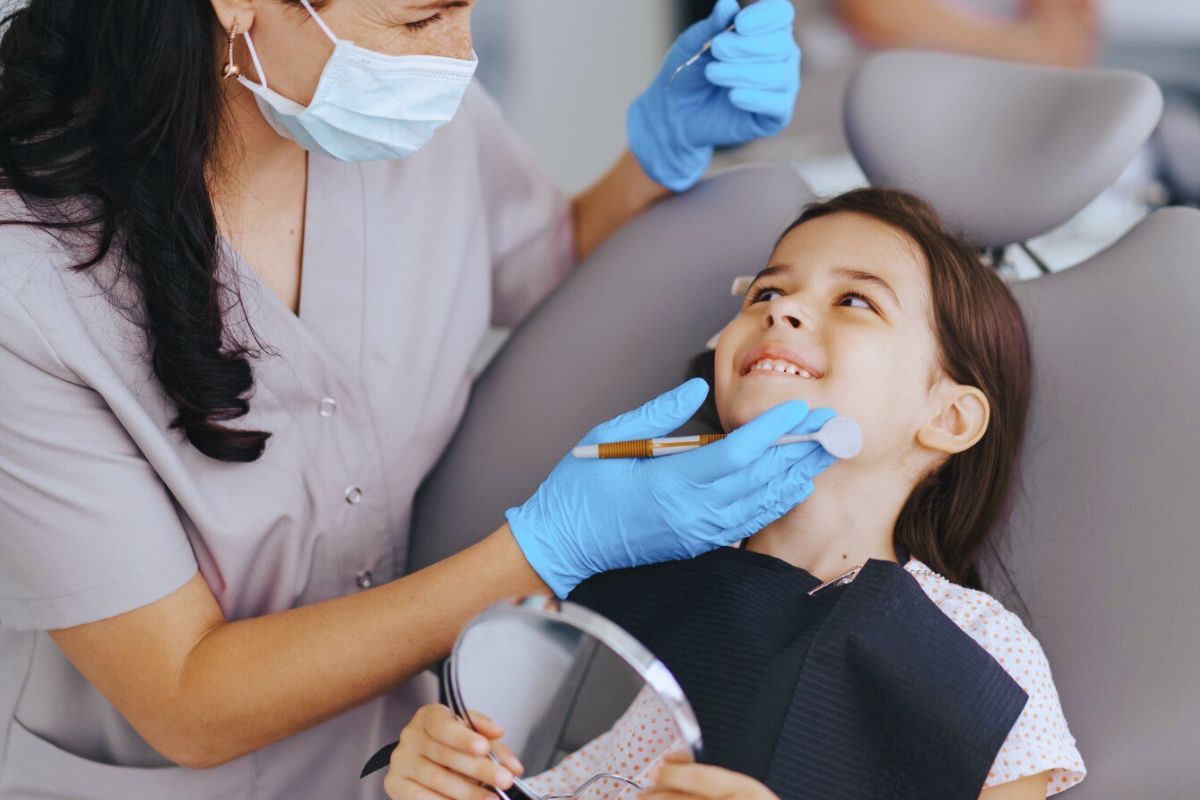
At McCaffrey Orthodontics West Palm Beach, Dr. Kevin McCaffrey works with families to evaluate growing smiles and guide healthy bite development. As a Board Certified Orthodontist and Diamond Invisalign provider, Dr. McCaffrey focuses on personalized orthodontic care for children, teens, and adults. If you have concerns about your child’s bite or jaw development, scheduling an orthodontic consultation early can provide clarity and peace of mind.
Understanding Children’s Bite Problems
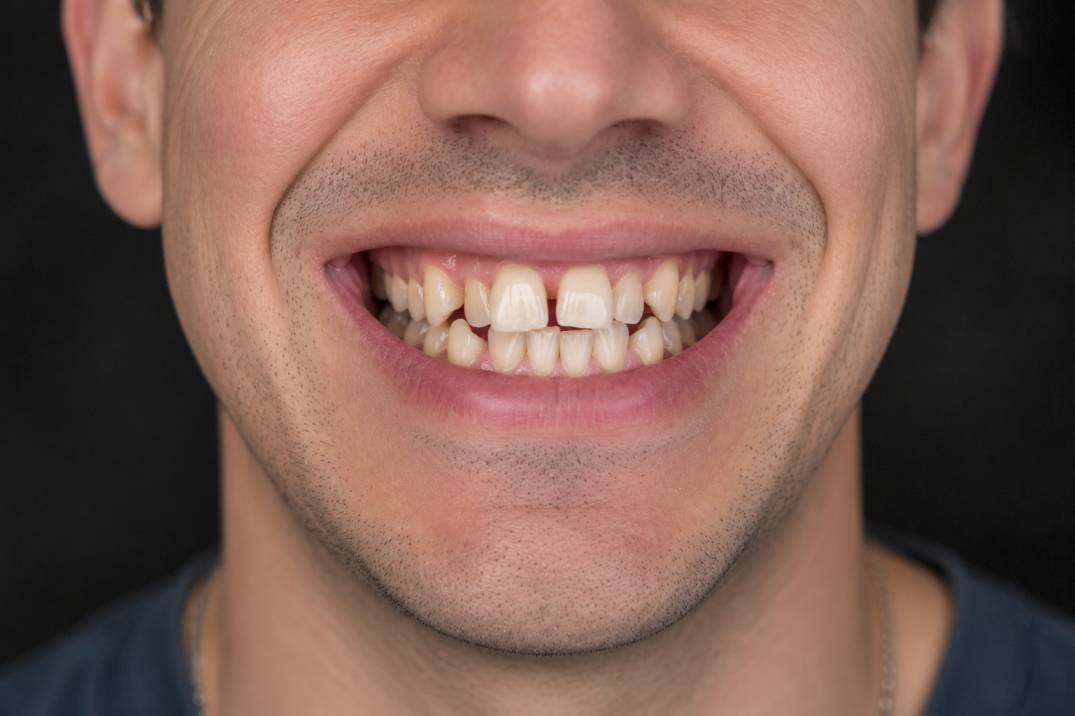
A bite problem happens when the upper and lower teeth do not fit together correctly. Orthodontists call this a malocclusion. Some bite concerns are visible early, while others become more noticeable as permanent teeth erupt and the jaw develops.
Bite problems can affect oral function, comfort, and long-term oral health. Children with untreated bite alignment issues may experience chewing difficulties, uneven tooth wear, jaw strain, speech challenges, and lower confidence during social interactions.
The Primary Causes of Bite Problems in Kids
Genetics and Family History
Just like eye color or height, the shape of your child’s jaw and the size of their teeth are often inherited. If you or your partner dealt with crowding, spacing, or bite issues growing up, there is a real chance your child may develop similar patterns, regardless of whether those issues were ever treated.
Genetic factors often dictate:
- Jaw Size Discrepancies: A jaw that is too small for the teeth leads to crowding, while a large jaw can cause gaps.
- Missing or Extra Teeth: Congenitally missing teeth can cause others to shift out of place, disrupting the entire bite.
Childhood Oral Habits
Repetitive habits during early childhood can physically reshape the developing bone. While these habits are natural for infants, they can become problematic if they persist past ages 3 or 4.
- Thumb or Finger Sucking: Constant pressure can push upper teeth forward and lower teeth backward, creating an overbite.
- Tongue Thrusting: If a child pushes their tongue against their teeth while swallowing, it can lead to an open bite over time.
- Prolonged Pacifier Use: Long-term use can narrow the upper arch, leading to a crossbite.
Pro Tip: Try to encourage your child to stop these habits before their permanent teeth begin to erupt, usually around age 6. If the habit continues past that point, it is worth scheduling a consultation with an orthodontist. A proper in-person evaluation is the only way to assess whether the habit has affected dental development and whether a habit-correction appliance or other early intervention might help.
Early Loss of Baby Teeth
Baby teeth act as “space maintainers.” If a child loses a tooth early due to decay or injury, the surrounding teeth may drift into the empty space. This leaves no room for the permanent tooth, causing impaction or severe misalignment.
What Are the Most Common Types of Bite Problems?
Before diving into the “why,” it helps to know “what” you might be seeing during your child’s daily routine. Orthodontists categorize these as “malocclusions.”
- Overbite: The upper front teeth overlap significantly over the lower front teeth.
- Underbite: The lower teeth sit in front of the upper teeth when the mouth is closed.
- Crossbite: Some upper teeth sit inside the lower teeth rather than outside.
- Open Bite: The front teeth don’t touch even when the back teeth are together.
- Crowding: There is simply not enough room in the jaw for all the permanent teeth to fit normally.
How Breathing and Airway Issues Impact the Bite
Here is how your kids’ bite gets affected due to improper breathing and airway issues:
Mouth Breathing and “Long Face Syndrome”
It might sound surprising, but how your child breathes affects their smile. Chronic mouth breathing, often caused by enlarged tonsils or allergies, can lead to structural changes.
When a child breathes through their mouth, the tongue rests low, and the cheeks apply pressure to the upper jaw. Over time, this can narrow the palate.
As an orthodontist, we often recommend early treatment, airway, and expanders to widen the jaw and improve breathing while simultaneously correcting the bite.
Impact of Soft Foods
Modern diets consisting mostly of soft, processed foods don’t require much chewing. This lack of “jaw exercise” can contribute to underdeveloped jaw arches, leading to the crowding we frequently see in patients throughout Florida.
Why Early Intervention Matters in West Palm Beach
In our community, we know parents want the best for their kids. The American Association of Orthodontists recommends a child’s first orthodontic check-up by age 7.
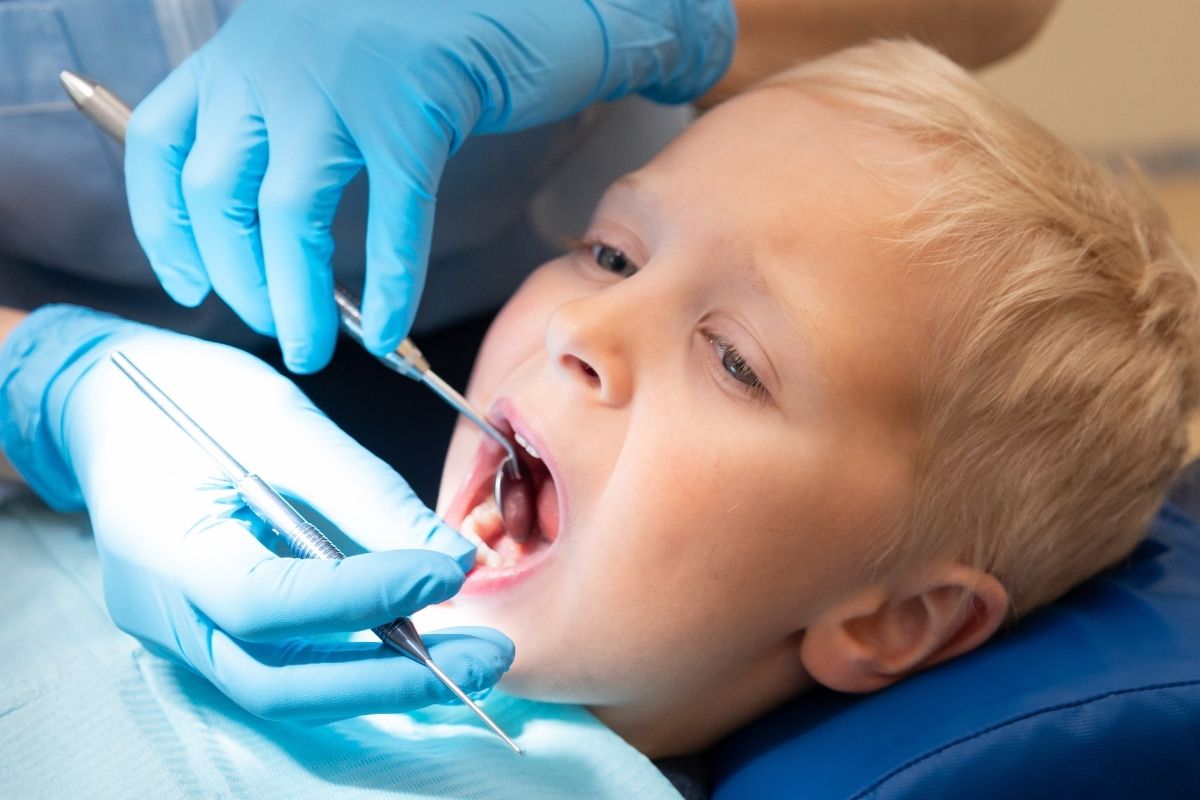
At this age, Dr. McCaffrey can evaluate how the permanent teeth are erupting. By using child braces or expanders during a “Phase 1” treatment, we can often avoid more invasive procedures like tooth extractions or jaw surgery later in life.
What to Expect During Your Visit to McCaffrey Orthodontics
We understand that a trip to the orthodontist can feel intimidating. Our West Palm Beach office is designed to offer a welcoming, stress-free environment and uses the latest technology.
- The Welcome: You’ll be greeted by our friendly team, who specialize in making children feel at home.
- Advanced Imaging: We use high-tech digital scanners (no goopy impressions!) to create a 3D model of your child’s mouth.
- The Exam: Dr. McCaffrey will gently check the jaw alignment and tooth spacing.
- Same-Day Options: If treatment is needed, we offer Same-Day braces to save you an extra trip and get the journey started right away.
Want to schedule a consultation? You can call our office at 561-964-5200.
Help Your Child Build a Healthier Smile Early
Bite problems rarely improve by ignoring them. Early orthodontic evaluations help parents understand how their child’s teeth and jaws are developing while creating opportunities for simpler treatment during growth.
If you are concerned about your child’s bite, jaw development, crowding, or teeth alignment, the team at McCaffrey Orthodontics is here to help. We work with families throughout Palm Beach County to guide the development of healthy smiles through personalized orthodontic care. We are conveniently located on Forest Hill Boulevard, just west of the busy intersection with South Jog Road in West Palm Beach.
Frequently Asked Questions
Can mouth breathing affect a child’s bite?
Yes. Chronic mouth breathing may influence jaw growth, facial development, and teeth alignment over time. Early orthodontic evaluations can help identify airway or bite-related concerns before they worsen.
Is thumb sucking always harmful to teeth?
Thumb sucking during infancy is normal. Problems usually develop when the habit continues for several years after the jaw structures and permanent teeth begin developing.
Do all children with bite problems need braces?
No. Some children only need orthodontic monitoring during growth. Others may benefit from early orthodontic treatment before braces become necessary later.
Can bite problems affect speech development?
Yes. Certain bite alignment issues may interfere with tongue placement and pronunciation. Open bites and severe overbites commonly affect speech clarity in growing children.
How long does early orthodontic treatment last?
Treatment length depends on the child’s age, bite condition, and growth stage. Some early orthodontic treatments last several months, while others are completed in phases.