561-964-5200
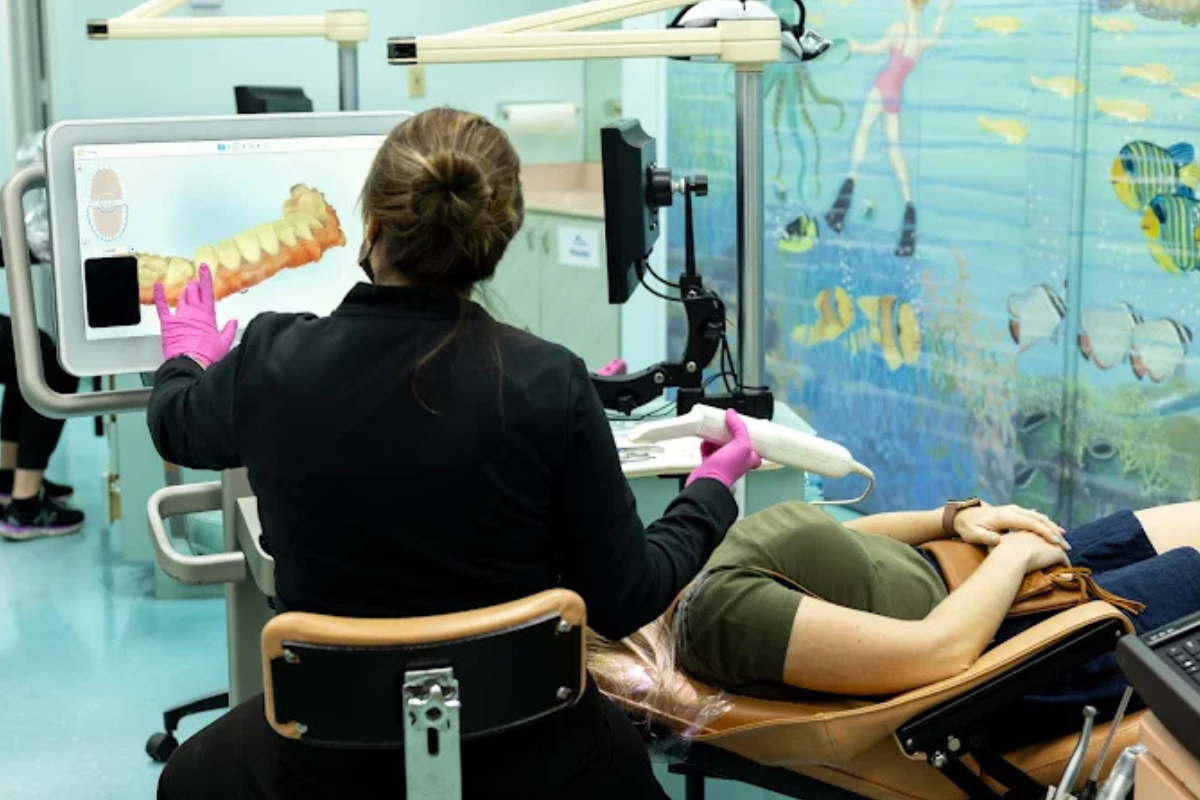
Crowded teeth, also known as dental crowding, is one of the most common orthodontic concerns — affecting both the function and appearance of a person’s smile. This condition occurs when there isn’t enough space in the jaw for teeth to grow in straight, causing them to overlap, twist, or become misaligned.
While some may view crowding as a purely cosmetic issue, it can lead to a variety of oral health problems if left untreated. Understanding the causes of crowded teeth, along with available treatment options, can help individuals make informed decisions about their dental health.
What Are Crowded Teeth?
Dental crowding happens when the teeth compete for limited space in the jaw. As a result, some teeth may erupt out of alignment or push against others. This can lead to overlapping, rotation, or improper bite alignment.
Crowding can occur in the upper jaw, lower jaw, or both. It may develop in childhood as permanent teeth come in or appear later in life due to shifting.
Common Causes of Crowded Teeth
Several factors may contribute to the development of crowded teeth:
- Genetics: Inherited traits, such as having a smaller jaw or larger teeth, can create spacing issues.
- Early or Late Loss of Baby Teeth: Losing baby teeth too early or too late can disrupt the natural path of adult tooth eruption.
- Thumb Sucking or Prolonged Pacifier Use: Habits like thumb sucking can affect jaw development and tooth positioning.
- Improper Eruption of Teeth: When teeth emerge at unusual angles or positions due to a lack of space, crowding may occur.
- Third Molars (Wisdom Teeth): In some cases, wisdom teeth may cause or worsen crowding, especially in the lower arch.
Why Crowded Teeth Should Be Treated
Beyond aesthetics, untreated dental crowding can lead to long-term oral health issues:
- Difficulty Cleaning Teeth: Overlapping or tightly spaced teeth can make brushing and flossing difficult, increasing the risk of plaque buildup, cavities, and gum disease.
- Bite Misalignment: Crowding can affect how the upper and lower teeth meet, potentially causing jaw pain, tooth wear, or TMJ issues.
- Increased Risk of Tooth Damage: Crooked teeth may be more prone to chipping or trauma due to uneven pressure.
- Speech or Chewing Challenges: In more severe cases, crowding may impact a person’s ability to speak clearly or chew comfortably.
Orthodontic Treatment Options for Crowded Teeth
At McCaffrey Orthodontics, we take a personalized approach to treating dental crowding, considering each patient’s age, dental development, and overall oral health. Treatment options may include:
Braces: Traditional metal or ceramic braces are highly effective at gradually shifting crowded teeth into proper alignment. Braces are often recommended for moderate to severe cases of crowding.
Invisalign: Invisalign offers a more discreet alternative to braces for mild to moderate crowding. These removable trays are custom-fitted and work by applying gentle, consistent pressure to move teeth over time.
Early Orthodontic Evaluation: In children, an early orthodontic evaluation (around age 7) can help identify crowding issues before they progress. Early intervention may reduce the need for more extensive treatment later on.
Our Commitment at McCaffrey Orthodontics
Our team at McCaffrey Orthodontics is committed to helping patients achieve healthy, functional smiles through high-quality, personalized care. We carefully evaluate each case of dental crowding to recommend the most effective and comfortable treatment approach.
Schedule a Consultation
If you’re concerned about crowded teeth — whether for yourself or a family member — we’re here to help you understand your options. We proudly serve and accept patients in West Palm Beach and nearby areas, including Boynton Beach, Lake Worth, Wellington, Royal Palm Beach, Greenacres, Lantana, and Loxahatchee. Call us today at 561-964-5200 to book your consultation and start your journey toward a straighter, healthier smile.