561-964-5200

Getting braces is a big step toward a healthy, beautiful smile. While the result is rewarding, the first week of adjusting to your braces treatment can feel challenging. Between the initial discomfort and figuring out how to care for your braces, it’s natural to feel a little overwhelmed. However, knowing what to expect and how to manage the adjustment period can make all the difference.
In this guide, we’ll cover what to expect during your first week with braces and share practical tips for getting through it smoothly.
Understanding the First Week of Braces
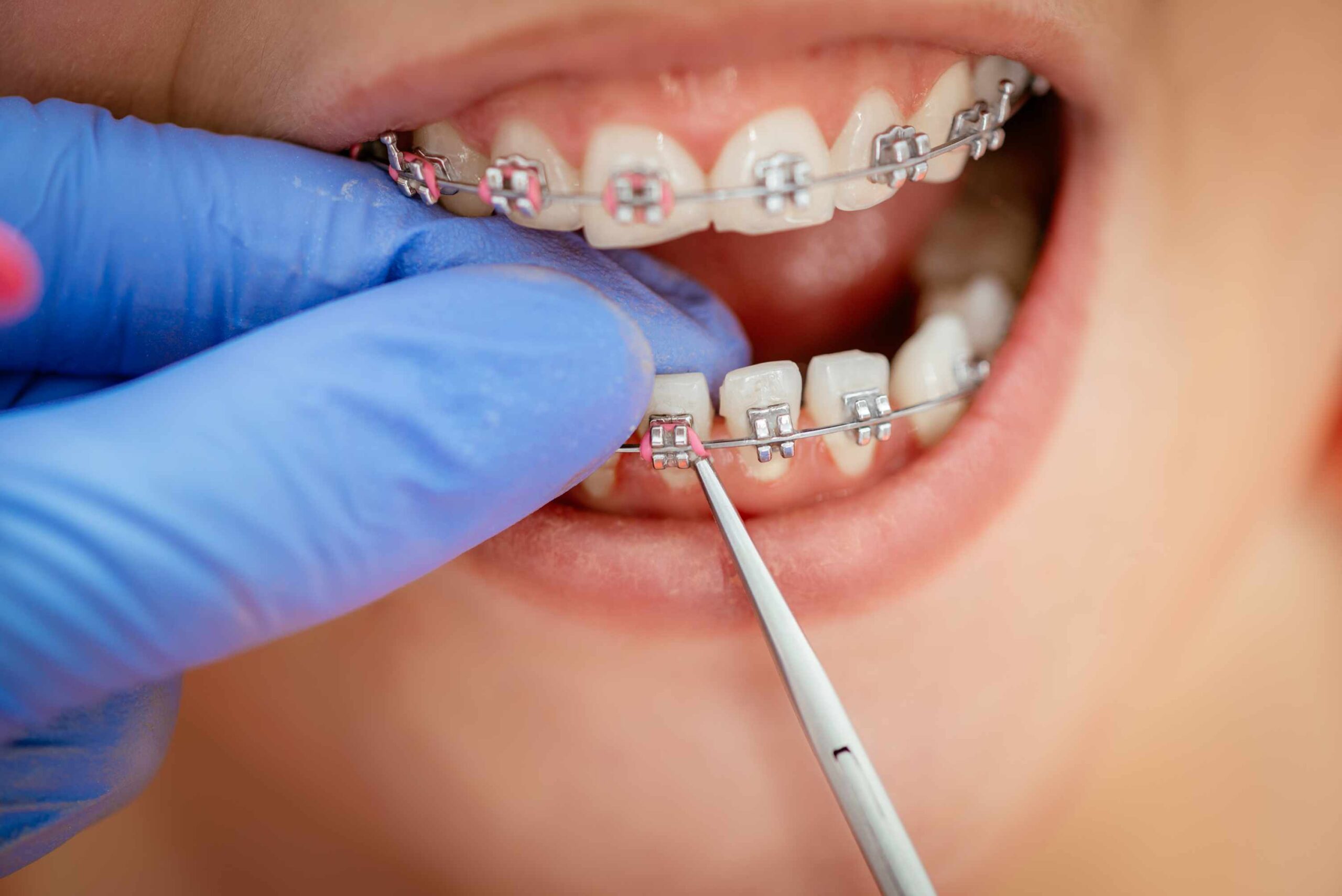
When you first get your braces, your orthodontist will make sure they are fitted correctly to your teeth. This process may involve a bit of pressure, but it shouldn’t be painful. However, as the braces begin to work by applying consistent pressure on your teeth, you may start to experience some discomfort or soreness.
This discomfort is a natural part of the braces treatment process and usually lasts for a few days to a week. The soreness is a sign that your teeth are starting to shift into the correct positions. Understanding that this discomfort is temporary can help you stay motivated during those initial days.
Managing Discomfort in the First Week of Braces
One of the most common concerns during the first week of braces is how to handle the discomfort. Fortunately, there are several ways you can ease the soreness:
1. Use Over-the-Counter Pain Relievers
If your braces are causing soreness or irritation, over-the-counter pain relievers like ibuprofen or acetaminophen can be helpful. Make sure to follow the dosage instructions on the package, and don’t hesitate to ask your orthodontist for recommendations if you have any concerns.
2. Eat Soft Foods
Eating can be a bit tricky during the first few days with braces. It’s best to stick with soft foods that don’t require much chewing. Foods like yogurt, mashed potatoes, soup, scrambled eggs, and smoothies are gentle on your teeth and will help reduce any discomfort while eating.
Avoid crunchy, hard, or sticky foods during the first week (and throughout your braces treatment) to protect your braces from damage.
3. Rinse with Salt Water
A warm salt water rinse can soothe sore gums and alleviate irritation caused by the braces rubbing against your cheeks and lips. Simply mix half a teaspoon of salt with a glass of warm water and swish it around in your mouth for 30 seconds. This natural remedy can be repeated a few times a day as needed.
4. Apply Orthodontic Wax
Your braces may initially irritate the inside of your cheeks and lips. Orthodontic wax is a soft, protective barrier that you can place over the brackets and wires that are bothering you. Simply roll a small piece of the wax between your fingers and press it onto the part of the braces irritating. This can provide relief and prevent sores from developing.
Adjusting to Daily Care for Your Braces
Taking care of your braces is critical to ensuring they work effectively and keeping your teeth and gums healthy throughout the treatment. Here’s how you can adapt your oral care routine during the first week:
1. Brush Gently and Thoroughly
Brushing your teeth with braces may take some getting used to, but it’s important to keep your teeth clean to prevent plaque buildup and tooth decay. Use a soft-bristled toothbrush and brush gently around each bracket and wire. Pay special attention to the areas between your braces and gums.
Consider using an orthodontic toothbrush or an electric toothbrush with a smaller head to reach difficult spots. It’s also helpful to brush after every meal to ensure no food particles get trapped in your braces.
2. Floss with Care
Flossing with braces can be tricky, but it’s an essential part of your oral care routine. Using a floss threader or orthodontic floss makes it easier to navigate the floss between your braces and teeth.
Another option is to use a water flosser, which uses a stream of water to clean between your teeth and around your braces. It’s a convenient and effective way to maintain oral hygiene while minimizing discomfort.
3. Avoid Sticky and Hard Foods
Certain foods can cause damage to your braces, which can set back your treatment progress. Avoid hard foods like nuts, popcorn, and raw carrots, as they can break the brackets or wires. Sticky foods like gum, caramel, and candy should also be avoided, as they can get stuck in your braces and are difficult to clean.
Learning to Speak and Chew with Braces
During the first week, you may notice that speaking and chewing feel different. This is because your mouth is getting used to the new appliances.
1. Speaking
It’s normal to experience some slight difficulty speaking clearly during the first few days with braces. You may develop a minor lisp, but rest assured that this is temporary. Your tongue will naturally adjust to the braces, and your speech will return to normal within a short time.
To help speed up the adjustment, try reading aloud or singing when you’re alone. This will help your tongue and mouth get used to the new appliances more quickly.
2. Chewing
Chewing can also feel different, as your bite is adjusting to the braces. Stick with soft foods during the first week, and take small bites to minimize discomfort. As your mouth adjusts, you’ll gradually feel more comfortable chewing, and you can start introducing more solid foods into your diet.
Tips for Staying Positive During the First Week
The first week of braces may be challenging, but keeping a positive mindset can make the experience easier. Here are some tips to help you stay motivated:
1. Focus on the End Result
Remember that your braces treatment is temporary, but the benefits will last a lifetime. A straight, healthy smile is worth the short-term discomfort. Focus on how great your smile will look when your braces come off.
2. Stay in Touch with Your Orthodontist
Don’t hesitate to contact your orthodontist if you have any questions or concerns during the first week. They are there to support you through the treatment process and can provide helpful tips for managing any discomfort or issues.
3. Track Your Progress
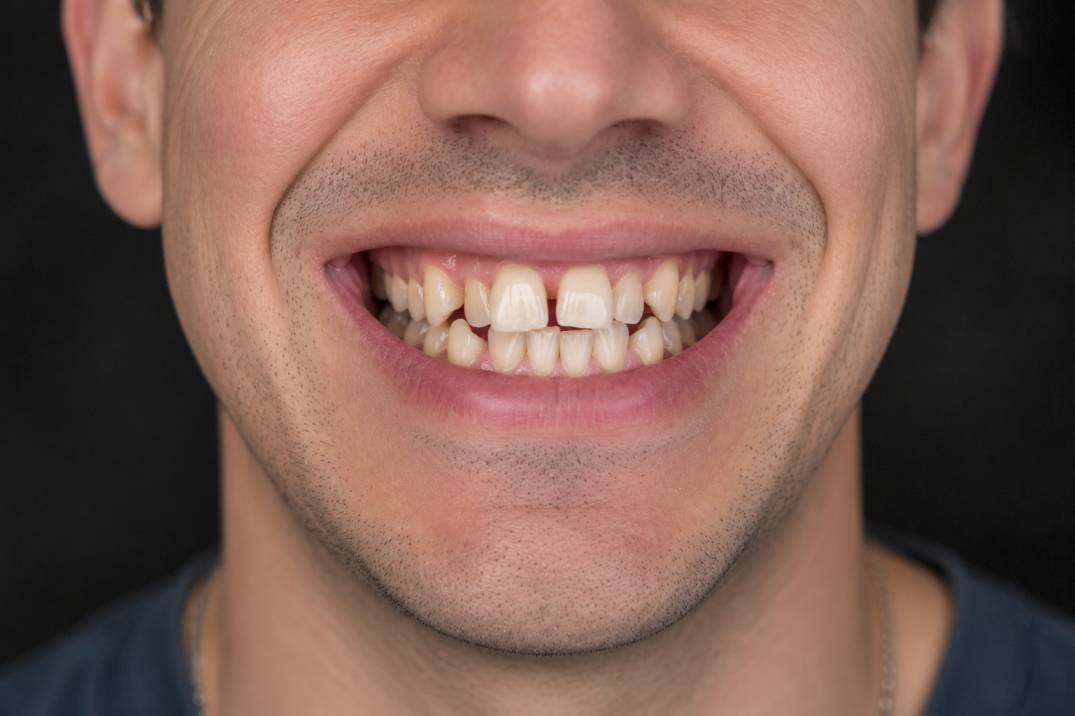
It can be helpful to take photos of your teeth throughout your braces treatment to see how much progress you’re making. Even though the changes may be subtle at first, over time you’ll be able to see significant improvements, which can keep you motivated.
Conclusion
The first week with braces is all about adapting to the changes in your mouth and learning how to take care of your braces. By managing discomfort, maintaining a strong oral care routine, and staying positive, you can make the adjustment period easier.
Remember, braces treatment is a journey that leads to a beautiful, confident smile. Stay patient, follow the care tips, and before you know it, your braces will be a thing of the past, leaving you with the smile you’ve always wanted.