561-964-5200

Starting orthodontic treatment can be an exciting step toward a healthier smile. While braces help guide teeth into proper alignment, they can also create new challenges for keeping your mouth clean and comfortable. One of the most common concerns patients experience is swollen or tender gums.
If your gums feel puffy, irritated, or painful while wearing braces, you may wonder if this is normal or something to worry about. The good news is that gum swelling is common for people with braces, and in most cases, it can be managed with improved home care and guidance from your dental team.
This blog will help you understand why swollen gums occur, how to care for them, and when it is important to seek professional support.
Is Gum Swelling Normal With Braces?
Some gum sensitivity is expected when braces are first placed or adjusted. As teeth begin to move and tissues adjust, mild inflammation can appear. This usually eases within a few days.
If gum swelling continues beyond the initial adjustment period, occurs frequently, or becomes painful, it can signal an issue that needs attention. Healthy gums are essential for successful orthodontic treatment, so noticing changes early is helpful.
In short, mild and temporary swelling can be normal, but persistent inflammation is something to look into more closely.
Common Causes of Swollen Gums With Braces
1. Plaque Buildup
Braces create more surfaces where food and bacteria can collect. When plaque stays on the teeth, it irritates the gums and can lead to swelling.
2. Gingivitis
Gingivitis is early gum inflammation caused by plaque. It can lead to red, puffy, and bleeding gums. It is reversible when treated early with proper oral hygiene.
3. Irritation from Brackets or Wires
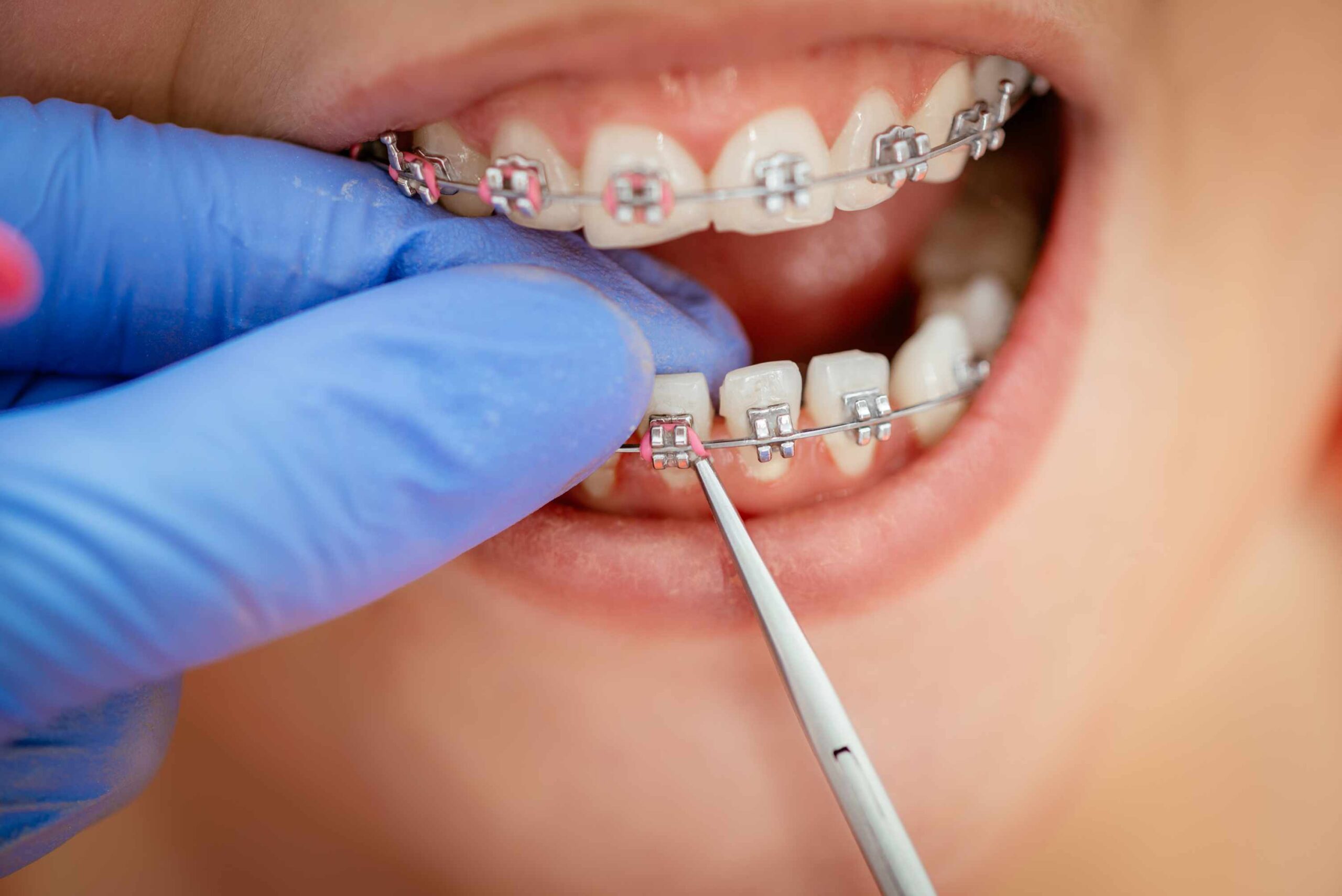
Brackets and wires may occasionally rub or press against the gums. This irritation can cause swelling, especially in the early stages of treatment.
4. Hormonal Changes
Teens are more prone to gum inflammation due to hormone changes that affect blood flow to gum tissues.
5. Difficulty Cleaning Around Braces
Braces make brushing and flossing more challenging. Missing areas around brackets or gumlines can lead to plaque buildup, which contributes to swelling.
6. Rare Allergic Reactions
In very rare cases, an allergic response to materials can cause gum swelling. This is uncommon but possible.
Symptoms to Watch For
Signs of gum inflammation may include:
- Red or swollen gums
- Bleeding when brushing or flossing
- Tenderness or soreness
- Bad breath
- Gum tissue is beginning to grow over the brackets
Mild vs Concerning Symptoms
| Mild or Expected | Concerning |
| Slight puffiness | Gum overgrowth |
| Minor tenderness | Frequent bleeding |
| Temporary irritation | Pain that affects eating |
| Improves with brushing | Swelling that lasts |
If your symptoms fall into the concerning category, it is helpful to check with an orthodontic professional.
When Should You Be Concerned?
Not all gum swelling signals a serious issue. However, ongoing inflammation can interfere with orthodontic progress and your overall oral health. You should consider seeking help if:
- Swelling lasts more than a week
- Gums bleed often
- You are struggling to clean around braces
- There is pain beyond typical soreness
- Bad breath does not improve
- Gum tissue begins rising over the brackets
If you are unsure, it is always better to have your concerns evaluated.
How Orthodontists Can Help
If you are dealing with swollen gums, orthodontic support can help identify the cause and guide you toward improvement. Care may include:
- Evaluating oral hygiene habits
- Recommending professional cleanings as needed
- Offering brushing and flossing instruction
- Adjusting braces if the hardware is irritating the gums
- Suggesting products like fluoride or antibacterial rinses
- Monitoring gum overgrowth
The focus is on supporting gum health so that teeth can move properly and treatment stays on track.
Home Care Tips for Managing Swollen Gums
1. Brush Thoroughly Twice a Day: Use a soft toothbrush and aim the bristles toward your gumline. Take your time around brackets and wires.
2. Floss Daily: Tools like water flossers, floss threaders, and interdental brushes can help you reach tight spaces more easily.
3. Try Warm Salt Water Rinses: Rinsing can help soothe irritated gums and reduce mild inflammation.
4. Apply a Cold Compress: A cold compress on the outside of the cheek can help reduce swelling.
5. Choose Foods Wisely: Soft, nutritious foods are less likely to irritate gums. Limiting sticky or sugary foods also helps prevent plaque buildup.
Maintaining these habits consistently can improve gum health and overall comfort.
Can Swollen Gums Affect Orthodontic Progress?
Yes. Inflammation can interfere with how teeth move. The tissues around your teeth need to stay healthy to guide movement properly. If swelling continues or gum disease develops, it may slow progress or affect the outcome. Supporting your gums during treatment is an important part of achieving a healthy, lasting result.
Preventing Gum Swelling While Wearing Braces
You can help prevent gum issues by:
- Brushing morning and night
- Flossing every day
- Using a fluoride rinse if recommended
- Attending regular dental cleanings
- Eating a balanced diet
- Keeping orthodontic visits as scheduled
Good daily care is the best defense against irritation and gum disease.
Need Support with Swollen Gums?
Gum irritation is a common issue during orthodontic treatment, but it’s important to have it checked early to help prevent discomfort or possible complications.
At McCaffrey Orthodontics, we are here to support you throughout your braces journey. Our team provides guidance and professional advice to help you maintain oral hygiene and keep your treatment on track.
If you live in West Palm Beach or nearby areas and need braces care or have concerns you would like evaluated, feel free to contact us.
You can also view our office location on the map to help plan your visit.
Staying On Track With Braces
Swollen gums with braces are a common issue, especially during the early stages of treatment or when cleaning is challenging. Mild swelling may resolve with proper brushing and flossing. If inflammation continues, becomes painful, or leads to bleeding, it is important to have it assessed. Healthy gums allow teeth to move effectively, support long-term oral health, and help you achieve the best final result.
FAQs
Why do gums swell when wearing braces?
Swelling often happens when plaque builds up around braces or when the tissues become irritated during tooth movement.
Is it safe to brush when gums are swollen?
Yes. Gentle brushing helps remove plaque that may be causing irritation.
Do swollen gums go away on their own?
Mild swelling can improve. If it does not improve within a week, it is a good idea to have it evaluated.
Can gum swelling slow tooth movement?
Yes. Inflammation can interfere with the tissues that guide teeth, which may slow progress.
What helps swollen gums the most?
Thorough brushing and flossing, salt water rinses, and regular dental cleanings are helpful.