561-964-5200

Tongue thrusting is a habit many parents notice only when their child begins to show changes in tooth position or speech patterns. Although it is common in early childhood, it can influence how teeth and jaws develop if it continues as a child grows. Understanding why tongue thrusting happens and how it affects oral development can help parents make informed decisions about their child’s dental health.
This guide explains what tongue thrusting is, how to recognize it, and when an orthodontic evaluation may be helpful for proper growth and function.
What Is Tongue Thrusting and Why Does It Matter
Tongue thrusting happens when the tongue pushes forward while a child is swallowing, speaking, or even resting. Infants naturally use a forward swallowing pattern, but this reflex is expected to mature over time. When the pattern continues beyond the early years, it can influence teeth, bite alignment, jaw growth, and speech.
Many parents wonder whether this habit is harmless or needs attention. Tongue thrusting is generally treatable, and early awareness often helps prevent long-term issues.
How Tongue Thrusting Develops: Common Causes
There are several reasons why children develop tongue thrusting. Understanding the cause helps determine the most appropriate treatment plan.
Common contributors include:
- Prolonged pacifier or bottle use that encourages a forward tongue motion
- Thumb or finger sucking habits that influence tongue posture
- Allergies, enlarged tonsils, or mouth breathing that shift the natural tongue position
- A narrow palate or other structural factors that limit tongue space
- Retained early swallowing patterns that do not transition to a mature swallow
Sometimes multiple factors contribute at the same time, which is why a professional evaluation can be helpful.
Early Signs and Symptoms Parents May Notice
Some children show very clear signs of tongue thrusting, while others have subtle clues. Parents often notice the following:
- A lisp or difficulty pronouncing certain sounds
- The tongue is visible between the teeth during swallowing or talking
- Open lips or open-mouth posture
- Teeth that start to shift forward
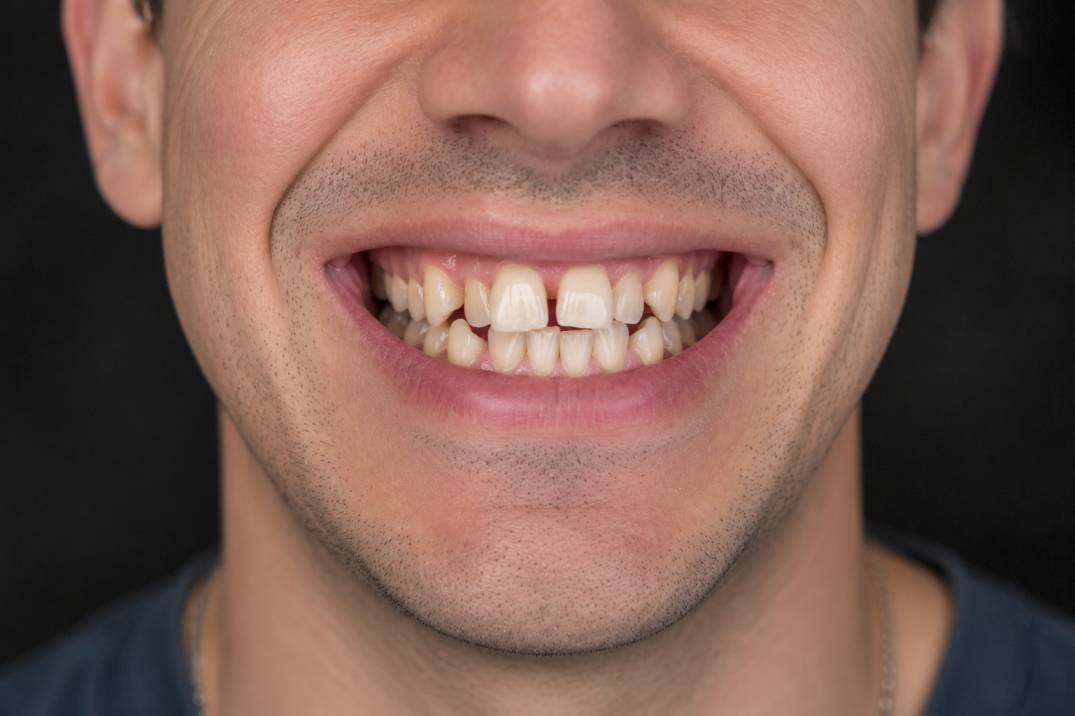
- Spacing between the front teeth
- A gap between the upper and lower front teeth when biting down
If these signs appear, it may be helpful to check with a dental team for further evaluation. Around age seven, children usually have a mix of baby and adult teeth, which makes it a good time for an early assessment.
How Tongue Thrusting Affects Teeth and Jaw Development
Tongue posture plays an important role in the way a child’s mouth develops. A tongue that protrudes or sits low can have several effects on the growth of teeth and jaws.
Bite Alignment
Tongue thrusting can contribute to the following:
- Open bite
- Overjet or forward placement of upper front teeth
- Spacing between teeth
Jaw Growth
The tongue naturally encourages healthy growth when it rests against the palate. When it does not rest in the correct position, the palate may develop differently, which can affect the width of the upper jaw.
Speech
Many children with tongue thrusting have a lisp or difficulty making certain sounds due to tongue position.
Long-Term Effects
If not addressed, tongue thrusting may continue into adolescence or adulthood. This can make orthodontic treatment more complex later. Early awareness can reduce the chance of long-term complications.
When to See an Orthodontist: Professional Evaluation for Kids
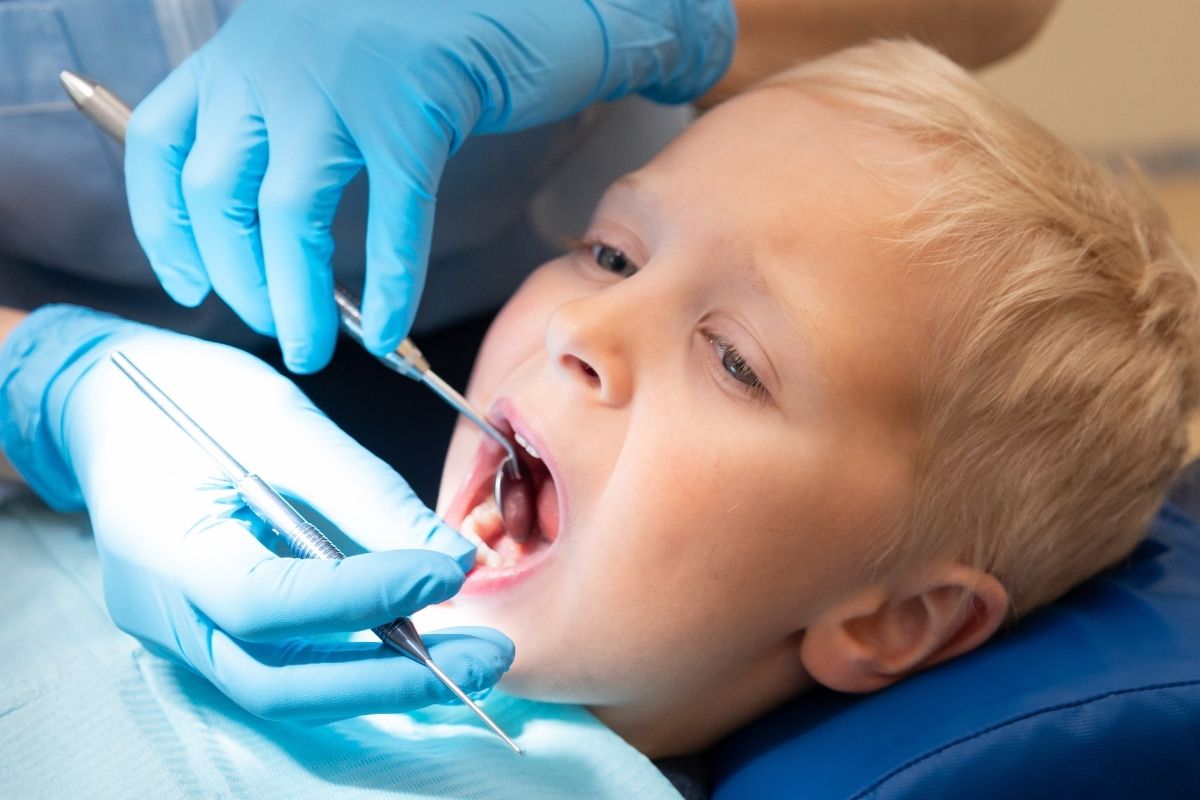
Parents often wonder when professional help is necessary. The American Association of Orthodontists recommends a first orthodontic evaluation around age seven. This timing provides a clear view of early bite development and helps identify oral habits that may influence future growth.
During an early orthodontic exam, the team will typically evaluate:
- Jaw growth and spacing
- Bite alignment
- Tongue rest position
- Airway concerns
- Overall oral development
Early Treatment Support in West Palm Beach
Our orthodontic team provides early assessments for children in the West Palm Beach community. The purpose of these evaluations is guidance and education for families. We do not rush children into treatment. Instead, we focus on identifying whether tongue posture or bite development may benefit from early support.
When early treatment is recommended, the goal is to encourage healthy jaw development, proper tongue posture, and improved long-term oral function. Each child receives recommendations based on their individual needs.
Treatment Options for Tongue Thrusting
Orthodontic care for tongue thrusting focuses on supporting proper oral function and guiding healthy development of the teeth and jaws. At our office, treatment recommendations are made when they can benefit your child’s growth and long-term stability. Common orthodontic options we may consider include:
Habit Correction Appliances
These appliances are designed to discourage the forward movement of the tongue during swallowing. They help encourage healthier oral patterns over time and are created to be comfortable and suitable for children.
Palatal Expanders and Other Growth-Guidance Appliances
If a narrow upper jaw or limited palate space is contributing to the improper tongue posture, growth-guidance appliances such as palatal expanders may be recommended. These devices help widen the upper jaw and create the space needed for a healthier tongue rest position.
Our orthodontist, Dr. McCaffrey, evaluates each child individually. Not every child with a tongue thrust needs orthodontic treatment. The decision depends on factors such as jaw development, bite changes, airway considerations, and how the habit is influencing overall oral growth.
How Parents Can Support Treatment at Home
Parents play a key role in supporting their child’s progress. A few small habits at home can make a significant difference.
Helpful strategies include:
- Encouraging proper tongue rest posture with the tongue up, lips together, and nasal breathing
- Supporting consistent appliance use
- Helping reduce thumb sucking or pacifier habits
- Promoting nasal breathing whenever possible
These small efforts help reinforce what is being guided during treatment.
Guiding Your Child Toward Healthy Growth
Tongue thrusting is common, and it can influence your child’s bite, jaw growth, and speech if it continues over time. Early evaluation and guidance can support healthier development and help reduce the chance of long-term issues. If you have noticed signs of tongue thrusting or have questions about your child’s oral growth, we are here to help you understand your options. If you would like to learn more or discuss an early evaluation, contact us, and our team will be glad to assist you with your child’s needs.
FAQs
At What Age Should I Have My Child Evaluated for Tongue Thrusting?
Most children benefit from an orthodontic evaluation around age seven, especially if there are signs of tongue posture issues or bite changes.
Can Tongue Thrusting Correct Itself as My Child Grows?
Some children naturally outgrow mild habits, but many do not. An evaluation helps determine whether the habit is affecting tooth or jaw development.
What Causes Tongue Thrusting in Children?
Common causes include prolonged oral habits, mouth breathing, allergies, enlarged tonsils, and a narrow palate. A professional evaluation helps identify the exact cause.
Is Tongue Thrusting Harmful to My Child’s Teeth?
If the habit continues long-term, it can influence bite alignment, lead to spacing, or affect jaw development.