561-964-5200
Orthodontic treatment is a common and effective method for aligning teeth, improving dental health, and enhancing the aesthetic appeal of one’s smile. However, like any medical procedure, it comes with potential risks and side effects. One such concern that often arises among patients and dental professionals is root resorption. This blog will delve into the relationship between orthodontic treatment and root resorption, exploring causes, symptoms, prevention, and management.
What is Root Resorption?
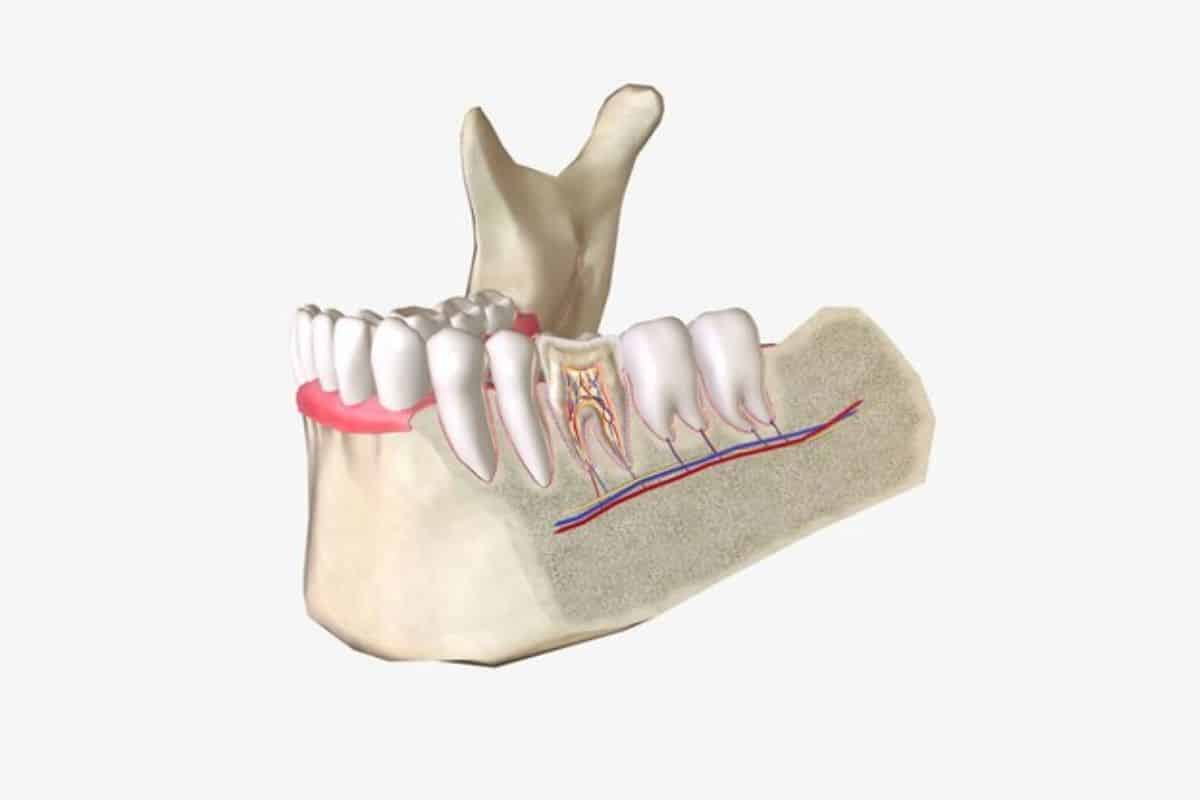
Root resorption is a condition where the structure of a tooth’s root is broken down and absorbed by the surrounding bone tissue. This can lead to a shortening of the tooth root, potentially compromising the tooth’s stability and longevity.
Types of Root Resorption
There are two main types of root resorption:
1. External Root Resorption: This occurs on the outer surface of the tooth root and is often linked to external factors such as trauma or pressure from orthodontic treatment.
2. Internal Root Resorption: This occurs within the tooth itself, typically starting from the inside of the root canal and moving outward.
The Link Between Orthodontics and Root Resorption
How Orthodontic Treatment Works
Orthodontic treatment involves applying continuous pressure to the teeth over a while, gradually moving them into the desired position. This pressure stimulates the bone surrounding the tooth to remodel, allowing for tooth movement.
Mechanism of Root Resorption in Orthodontics
During orthodontic treatment, the applied force can cause minor trauma to the teeth and surrounding tissues. In some cases, this can trigger an inflammatory response, leading to the activation of cells called odontoclasts, which break down the root structure. This process is a part of the body’s natural response to the forces applied during tooth movement but can become problematic if excessive root resorption occurs.
Factors Contributing to Root Resorption
1. Individual Susceptibility
Not all patients undergoing orthodontic treatment will experience significant root resorption. Individual susceptibility plays a crucial role. Factors such as genetics, the initial condition of the teeth, and the patient’s age can influence the extent of root resorption.
2. Duration and Intensity of Treatment
The length and intensity of orthodontic treatment are also critical factors. Prolonged treatment durations and higher force levels increase the risk of root resorption. Orthodontists aim to use the minimum necessary force to achieve the desired tooth movement to minimize this risk.
3. Pre-existing Dental Conditions
Pre-existing dental conditions, such as previous trauma to the teeth, can predispose individuals to root resorption during orthodontic treatment. Teeth that have been previously damaged are more vulnerable to resorption under orthodontic forces.
Symptoms and Diagnosis of Root Resorption
Symptoms
Root resorption is often asymptomatic, meaning it may not present any noticeable symptoms until it becomes advanced. In some cases, patients may experience:
- Sensitivity in the affected tooth or teeth
- Mobility of the teeth
- Discomfort or pain during biting or chewing
Diagnostic Tools
Dentists and orthodontists rely on imaging techniques to diagnose root resorption. Regular X-rays and cone-beam computed tomography (CBCT) scans are essential tools for detecting early signs of root resorption and monitoring its progression.
Preventing Root Resorption During Orthodontic Treatment
1. Comprehensive Initial Assessment
A thorough initial assessment is crucial for identifying any predisposing factors for root resorption. This includes a detailed dental history, clinical examination, and appropriate imaging studies.
2. Gentle and Controlled Force Application
Orthodontists strive to use gentle and controlled forces when moving teeth. This approach helps reduce the risk of root resorption by minimizing trauma to the tooth and surrounding tissues.
3. Regular Monitoring
Frequent check-ups and monitoring during orthodontic treatment are essential. Regular imaging allows for early detection of root resorption, enabling timely intervention to adjust treatment plans if necessary.
Managing Root Resorption
1. Adjusting Orthodontic Treatment
If root resorption is detected during orthodontic treatment, the orthodontist may adjust the treatment plan. This could involve reducing the force applied, increasing the intervals between adjustments, or even pausing treatment to allow the roots to recover.
2. Endodontic Treatment
In cases where root resorption progresses significantly, endodontic treatment (root canal therapy) may be necessary to preserve the affected tooth. This involves removing the damaged tissue from inside the tooth and sealing the root canal to prevent further resorption.
3. Extraction and Replacement
In severe cases where the tooth’s stability is compromised beyond repair, extraction may be necessary. The extracted tooth can be replaced with a dental implant or bridge to restore function and aesthetics.
While orthodontic treatment offers numerous benefits, it is essential to be aware of potential risks, including root resorption. Understanding the factors contributing to root resorption, recognizing early symptoms, and ensuring regular monitoring can help mitigate these risks. By working closely with an experienced orthodontist, patients can achieve the desired outcomes of orthodontic treatment while minimizing the chances of complications like root resorption.
Orthodontic treatment continues to be a valuable tool for improving dental health and enhancing smiles. With proper care and attention, the risks associated with root resorption can be effectively managed, allowing patients to enjoy the long-term benefits of a well-aligned and healthy smile.