561-964-5200
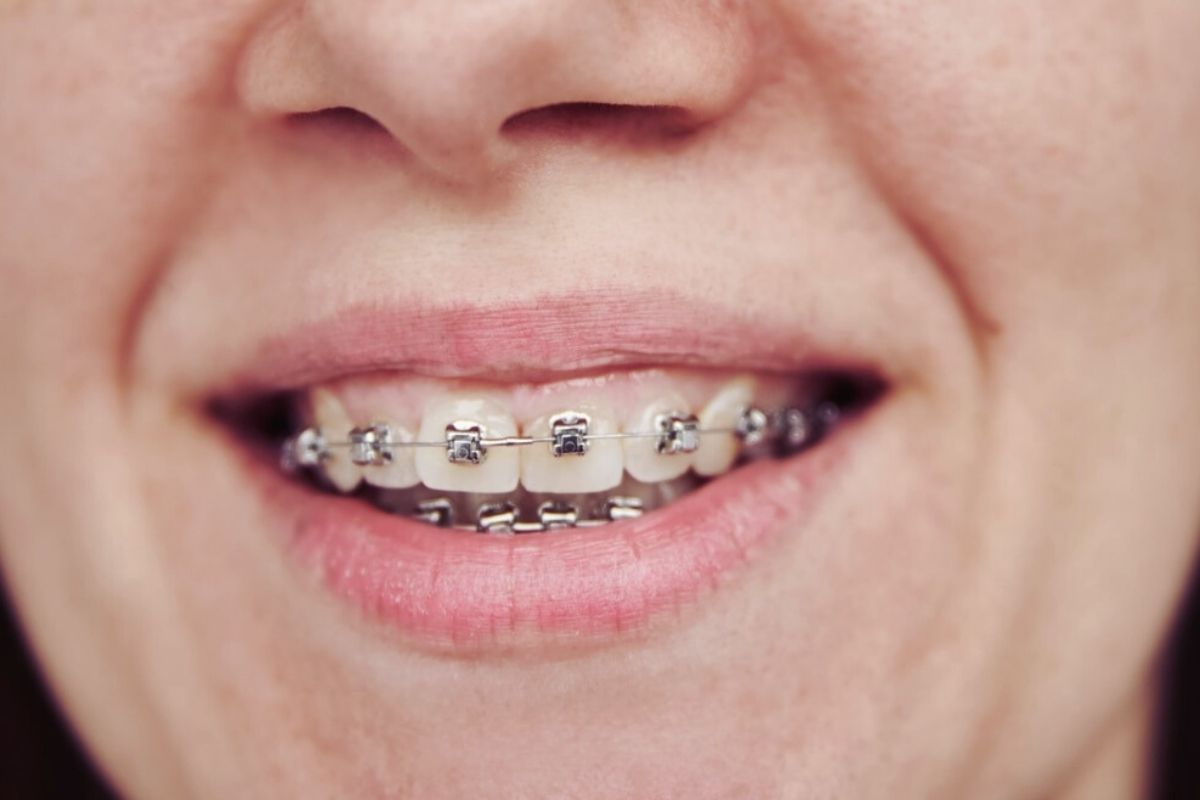
A lisp is a common speech impediment that affects the pronunciation of certain sounds, particularly “s” and “z.” Many people wonder if braces can help correct a lisp. The short answer is: Yes, braces can sometimes help, but it depends on the root cause of the lisp. In this blog, we’ll explore how braces impact speech and when they can be an effective solution for a lisp.
What Causes a Lisp?
A lisp occurs when the tongue is improperly positioned during speech, leading to distorted sounds. The main types of lisps include:
- Interdental Lisp: The tongue protrudes between the front teeth while pronouncing “s” and “z” sounds, making them sound like “th.”
- Dentalized Lisp: The tongue pushes against the front teeth, affecting pronunciation.
- Lateral Lisp: Air escapes from the sides of the tongue, making sounds slushy.
- Palatal Lisp: The tongue touches the roof of the mouth instead of the proper placement.
How Can Braces Help?
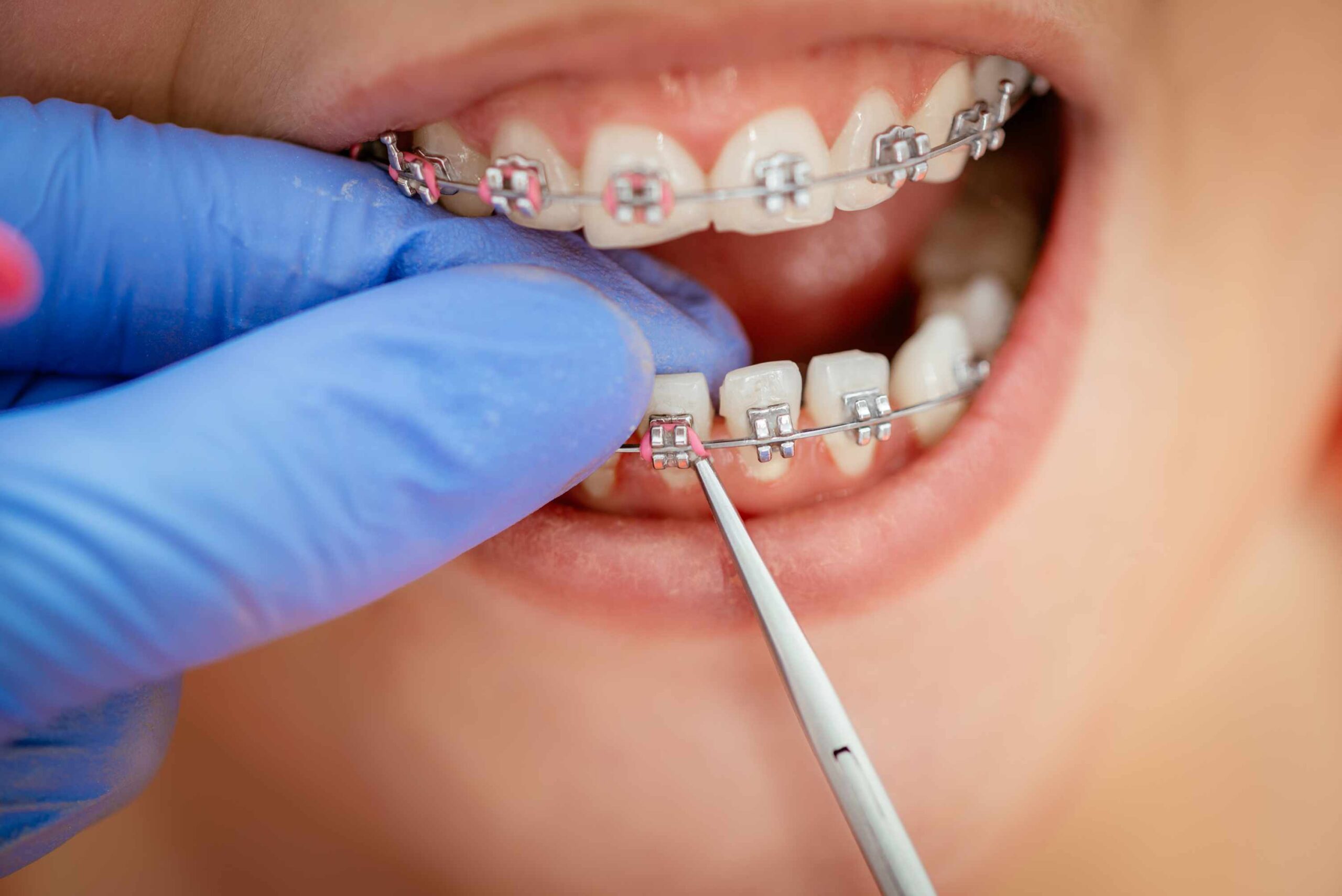
Braces are primarily designed to straighten teeth and correct bite issues, but they can also improve speech in some cases. Here’s how:
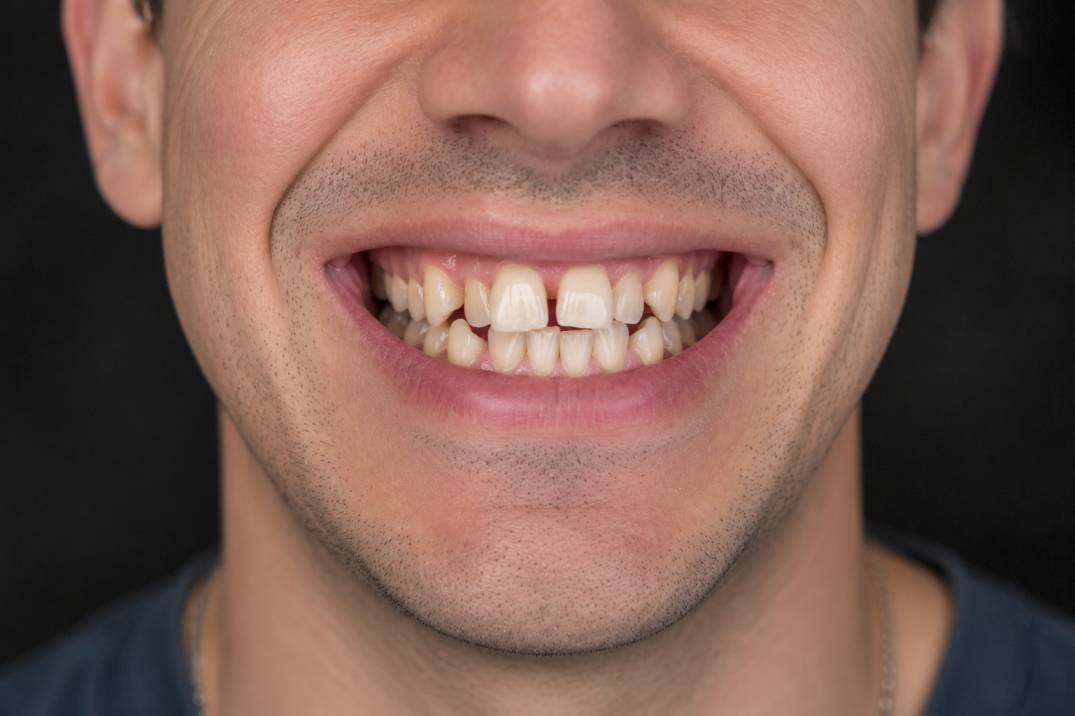
- Correcting Tooth Alignment: If a lisp is caused by misaligned teeth, braces can reposition them, creating more space for the tongue to move correctly. Overbites, underbites, and gaps can all contribute to speech problems, and braces help in aligning the bite properly.
- Improving Tongue Placement: If the tongue has been pushing against misaligned teeth, braces can shift them into proper alignment, encouraging better tongue posture.
- Reducing Gaps and Spaces: Large gaps between teeth can contribute to an interdental lisp. Braces close these gaps, helping the tongue make correct contact with the palate and teeth.
When Braces Alone Aren’t Enough
While braces can help correct some lisps, they may not be the sole solution. If the lisp is due to tongue placement habits rather than dental structure, additional treatment may be needed:
- Speech Therapy: A speech-language pathologist (SLP) can help retrain the tongue’s movement and placement for proper articulation.
- Tongue Exercises: Strengthening tongue muscles and improving control can enhance speech clarity.
- Retainers or Expanders: In some cases, orthodontic appliances other than braces may be necessary to address structural issues.
Will Braces Cause a Temporary Lisp?
Some people develop a temporary lisp when they first get braces. This is usually due to:
- The presence of brackets and wires taking up space in the mouth.
- The tongue adjusting to new positions.
- Increased saliva production causing minor speech disruptions.
This type of lisp usually goes away after a few weeks as the mouth adjusts to the braces.
Unlock Your Best Smile with Our West Palm Beach Braces Expert
Braces can help correct a lisp if it is caused by dental misalignment. However, if the root cause is tongue placement, speech therapy may be necessary in conjunction with orthodontic treatment. By addressing the underlying cause of a lisp—whether dental or functional—you can achieve clearer speech and improved confidence.
If you are unsure whether braces are the right solution for you, we encourage you to talk with our board-certified orthodontist, Dr. Kevin McCaffrey, for a personalized assessment.
We proudly serve West Palm Beach and the surrounding areas, offering advanced orthodontic solutions. Our practice utilizes AcceleDent to accelerate orthodontic treatment and provides same-day braces treatment for our patients, ensuring a more convenient and efficient path to a beautiful, healthy smile. If you have any questions about the types of braces we offer, please feel free to call us at 561-934-7564.