561-964-5200
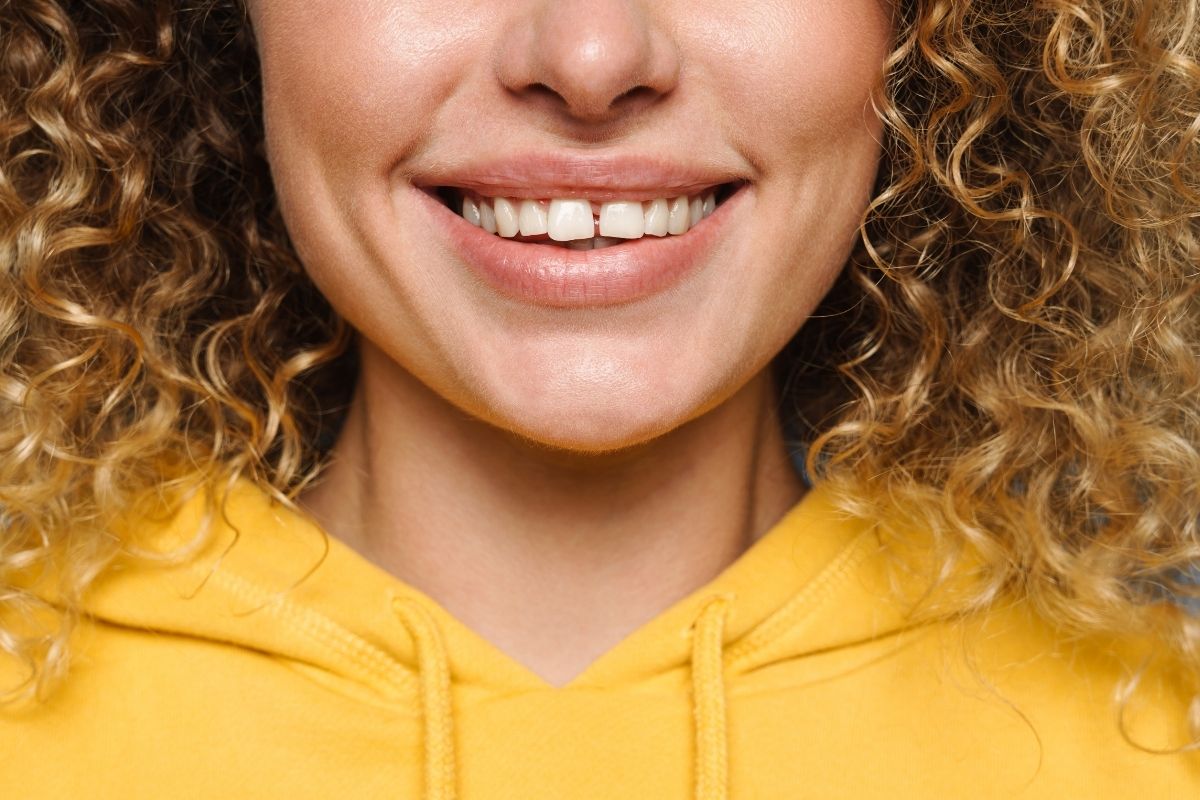
Many people notice small or large spaces between their teeth at some point in life. Some gaps are harmless and simply part of a person’s natural smile. Others may be early signs of bite issues or shifting teeth. If you are unsure which category your tooth gap falls into, you are not alone. It is a common question patients ask during dental appointments, and understanding what these gaps mean can help you make informed decisions about your oral health.
Tooth gaps, also known as diastemas, can appear at any age. They may be present from childhood, or they may develop later in life. Although gaps can affect the way your smile looks, they can also indicate deeper issues with alignment or jaw balance. This blog will help you understand what causes tooth gaps, when they suggest misalignment, and how an orthodontic team can help determine the best approach for treatment.
What Causes Gaps Between Teeth?
Tooth gaps can develop for many reasons, and not all of them are related to orthodontic problems. Some of the most common causes include:
Genetics and natural spacing: Many people simply have a jaw that is proportionally larger than the size of their teeth. This naturally creates open spaces. In these cases, the gaps may not cause functional issues, but some individuals choose treatment for cosmetic reasons.
Tooth size and shape: Smaller teeth or certain tooth shapes can create extra room in the mouth. Peg laterals, which are undersized lateral incisors, often contribute to spacing.
Habits and behaviors: Thumb sucking, prolonged pacifier use, and tongue thrusting can push the teeth forward and widen gaps over time. These habits are more common in children but can have long-lasting effects if not addressed early.
Periodontal disease: Gum disease can weaken the bone and tissues that support the teeth. As the foundation becomes unstable, teeth may shift and create spaces.
Developmental changes: Children often develop temporary gaps as part of the normal growth process. These spaces may close naturally once permanent teeth come in, although some gaps remain.
Not every tooth gap is a sign that something is wrong. However, when the spacing is related to the way the teeth and jaws fit together, orthodontic care may be needed.
When Tooth Gaps Are a Sign of Misalignment
Some gaps form because the upper and lower teeth do not meet correctly. This type of misalignment, known as malocclusion, can create spacing even when the teeth are otherwise normally sized. Bite imbalances can cause the teeth to drift, tilt, or rotate, which leads to gaps that continue to widen over time.
Signs that spacing may be due to misalignment include:
- Difficulty chewing or biting food evenly
- Speech changes, such as whistling sounds
- A combination of gaps and crowding
- Teeth that have gradually shifted without a clear cause
- Discomfort or pressure in the jaw
If gaps are accompanied by any of these symptoms, an orthodontic evaluation is important. Misalignment rarely improves on its own and often becomes more noticeable as time passes.
Our orthodontic practice in West Palm Beach works with individuals and families who want to improve gaps in their teeth. We take the time to evaluate all contributing factors and explain our findings in a clear and comfortable way. Our goal is to help you make informed decisions that support both a confident smile and long-term oral health.
We use advanced technology to diagnose spacing concerns and offer treatment options that fit a wide range of needs and lifestyles. Whether the recommended solution is clear aligners, braces, or early orthodontic care for younger patients, our focus is always on achieving healthy alignment and a stable, lasting result.
How Orthodontists Diagnose the Cause of Tooth Gaps
Understanding the reason behind a gap is essential before choosing a treatment. During an exam, our orthodontist, Dr. McCaffrey, evaluates more than just the visible spacing. X-rays, digital scans, and bite analysis help determine whether the gap is related to tooth size, jaw structure, habits, or alignment issues.
By identifying the underlying cause, we can create a treatment plan that supports both appearance and function. This approach ensures that improvements are long-lasting and tailored to your individual needs.
Treatment Options for Closing Gaps Caused by Misalignment
Orthodontic treatment can successfully close gaps and correct the alignment problems that cause them. Common treatment options include:
Braces: Traditional braces are highly effective for closing stubborn or complex gaps. They allow for precise control of tooth movement.
Invisalign®: Many adults and teens prefer invisalign aligners because they are discreet and comfortable. They can close gaps and improve alignment when used with a well-planned orthodontic strategy.
Retainers: For minor spacing or preventing gaps from reopening after treatment, retainers play an essential role.
Early orthodontic care: For children, early treatment may guide proper growth and prevent more significant spacing or misalignment issues later.
Dr. McCaffrey will explain which option best fits your situation based on your initial examination.
Concerned About Spacing? Get a Personalized Assessment
If you have noticed new gaps or feel unsure whether existing gaps are related to misalignment, a professional evaluation can provide clarity. A consultation allows you to understand what is causing the spacing and which treatment options may help. Our practice in West Palm Beach welcomes patients of all ages from the local community and nearby areas who want expert guidance on tooth gaps and alignment concerns.
If you would like to schedule a visit or have questions about your smile, please contact us.
Key Takeaways About Tooth Gaps and Misalignment
Tooth gaps can be completely natural, or they can be a sign that the teeth and jaws are not working together the way they should. Understanding the difference is important for both appearance and long-term oral health. An orthodontic evaluation is the most reliable way to determine the cause of spacing and whether treatment is recommended. With the right care, you can achieve a healthy and balanced smile that feels as good as it looks.
FAQs
1. Can Gaps in Teeth Affect Oral Health?
Yes, gaps between teeth can impact oral health in some cases. Spaces can trap food and make it harder to clean between teeth, increasing the risk of plaque buildup, cavities, and gum irritation. In addition, if gaps are related to bite issues or misalignment, they may cause uneven wear on teeth or jaw discomfort. Our team evaluates each patient carefully to determine if a gap is purely cosmetic or if it requires treatment to maintain long-term oral health.
2. At What Age Should Someone See an Orthodontist for Gaps in Teeth?
We recommend that children have their first orthodontic evaluation around age seven, even if gaps seem minor. Early assessment allows us to monitor growth and development and intervene when necessary to prevent more serious spacing or alignment issues later. Teens and adults can also benefit from evaluation at any age. Our West Palm Beach office works with patients of all ages to address gaps and alignment concerns safely and effectively.
3. Can Gaps Between Teeth Close Naturally Over Time?
Some gaps, especially those seen in children as part of normal development, may close naturally as permanent teeth come in. However, gaps caused by jaw-tooth size differences, misalignment, or habits such as tongue thrusting usually do not close on their own. Our team can assess the cause of your spacing and recommend the most effective treatment if needed.
4. Why Should I Choose an Orthodontist Instead of a General Dentist for Gaps?
Orthodontists have specialized training in diagnosing and treating alignment and bite issues. While a general dentist focuses on overall dental health, an orthodontist evaluates how teeth, jaws, and bite function together. This expertise allows us to provide long-term, stable solutions for gaps and misalignment, ensuring both aesthetics and function are addressed.
5. Is It Possible for Gaps to Reappear After Orthodontic Treatment?
Yes, gaps can reappear if proper retention is not maintained after treatment. That is why we emphasize the use of retainers and follow-up care to keep your teeth in their corrected positions. Our team provides guidance and monitoring to help maintain your results, ensuring your smile remains healthy and properly aligned over time.