561-964-5200
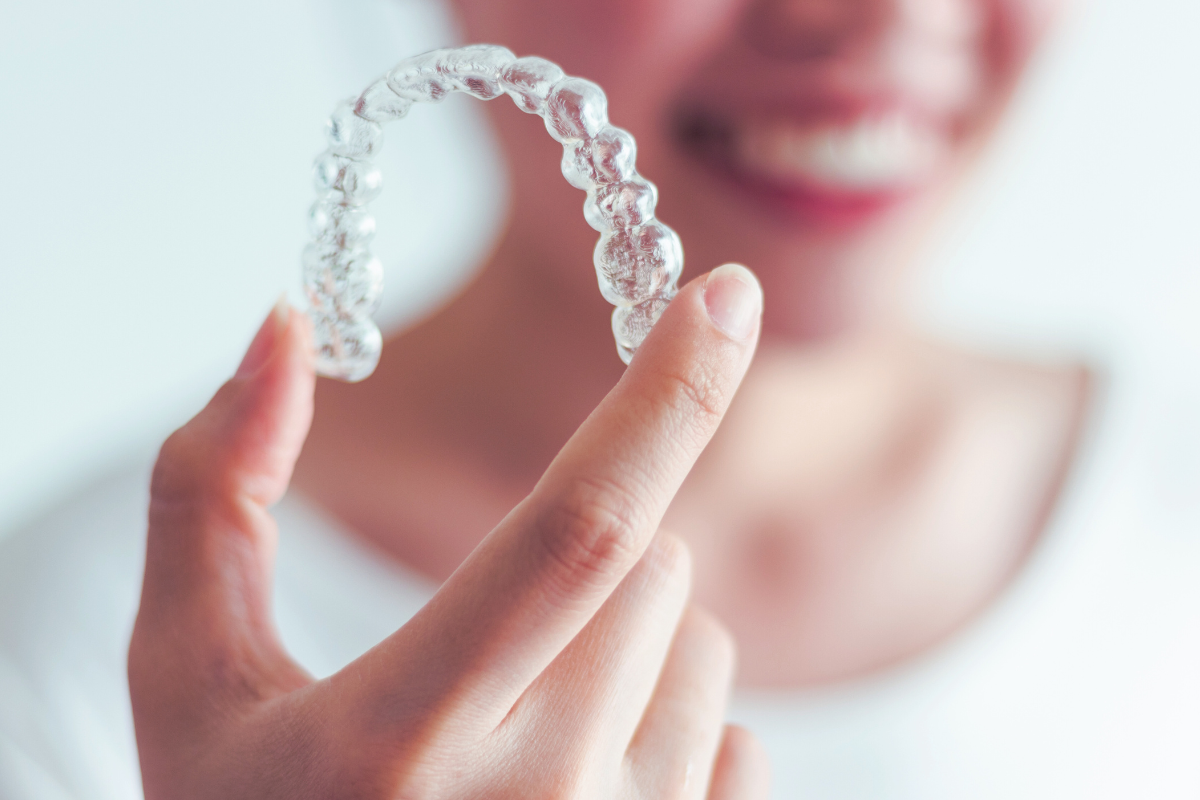
Invisalign has become increasingly popular as a discreet and convenient alternative to traditional metal braces. These clear aligners are especially appealing to teens and adults who want a straighter smile without the noticeable appearance of brackets and wires. However, many people question whether these nearly invisible trays can effectively address more challenging dental issues like severe crowding, bite problems, or jaw misalignments. Are they truly capable of handling these complex cases, or are traditional braces still the better option?
This blog will explore the capabilities and limitations of Invisalign for complex orthodontic cases, helping you determine if this treatment might be the right choice for you.
Understanding What Constitutes a Complex Orthodontic Case
Orthodontic issues can vary widely in severity, from mild cases of crooked teeth to more complicated scenarios involving significant misalignments. Generally, complex orthodontic cases include:
- Severe crowding: When there isn’t enough space in the dental arches for all teeth to align properly.
- Significant gaps: Large spaces between teeth that may affect bite and aesthetics.
- Malocclusions: Including overbites, underbites, and crossbites, where the upper and lower teeth don’t align correctly.
- Jaw alignment issues: Discrepancies in the positioning of the jaw can lead to bite problems or even discomfort.
Determining whether your case falls into the “complex” category requires a consultation with an experienced orthodontist at McCaffrey Orthodontics West Palm Beach. This evaluation is essential to decide if Invisalign can deliver effective results for your specific needs.
How Invisalign Works: A Brief Overview
Invisalign uses cutting-edge technology to straighten teeth. The process begins with a digital 3D scan of your teeth, which is used to design custom aligners that fit snugly over your teeth. These aligners gradually shift teeth into their ideal positions over several months.
For more complex cases, Invisalign utilizes attachments, which are small, tooth-colored bumps temporarily bonded to the teeth. These attachments give the aligners more grip, allowing them to move teeth more precisely. Some cases might also require elastics, similar to those used with traditional braces, to correct bite alignment.
Invisalign’s Capabilities in Treating Complex Cases
While Invisalign was initially intended for minor tooth adjustments, advancements in the technology have expanded its capabilities to tackle more complex orthodontic issues. Here’s how Invisalign can address specific dental challenges:
1. Severe Crowding
In cases of severe crowding, Invisalign can work to gently expand the dental arches, creating more space for teeth to align properly. The aligners can effectively guide teeth into better positions without requiring extractions in many cases.
2. Gaps Between Teeth
If you have large spaces between your teeth, Invisalign can gradually close these gaps by applying controlled pressure. The custom design of the aligners ensures that the movement is precise and effective.
3. Bite Issues (Overbites, Underbites, Crossbites)
Correcting bite problems can be tricky, but with the help of attachments and elastics, Invisalign can address mild to moderate overbites, underbites, and crossbites. For more severe bite misalignments, however, additional orthodontic interventions may be necessary.
4. Jaw Alignment and Malocclusions
Invisalign can correct mild jaw alignment problems by repositioning the teeth, which can sometimes alleviate related discomfort. However, in severe cases, surgery or other orthodontic tools may be required to achieve the desired results.
Benefits of Using Invisalign for Complex Cases
Opting for Invisalign, even in complex cases, comes with several advantages:
- Aesthetic Appeal: The clear, nearly invisible aligners are perfect for those who are self-conscious about wearing braces.
- Comfort & Convenience: Unlike metal braces, Invisalign aligners are smooth and don’t irritate the gums or cheeks. They are also removable, making it easier to eat, brush, and floss.
- Predictable Outcomes: The use of advanced digital imaging allows patients to visualize their treatment progress and projected results before they even start wearing the aligners.
Potential Limitations of Invisalign for Severe Cases
While Invisalign is highly versatile, there are instances where traditional braces may be more effective. For example:
- Severe jaw misalignments or highly rotated teeth may require the more forceful adjustments that only traditional braces can provide.
- Patient compliance is crucial for Invisalign success. Unlike braces, which are fixed, aligners need to be worn for 20-22 hours a day. Failing to do so can significantly prolong treatment time.
Deciding if Invisalign is Right for You
The best way to determine if Invisalign is suitable for your orthodontic needs is to consult with an experienced orthodontist. Factors like the severity of your dental condition, your commitment to wearing aligners consistently, and even your age can influence whether Invisalign is the best option. If you’re considering Invisalign West Palm Beach, book a consultation with us to see if this treatment can help you achieve your ideal smile.