561-964-5200
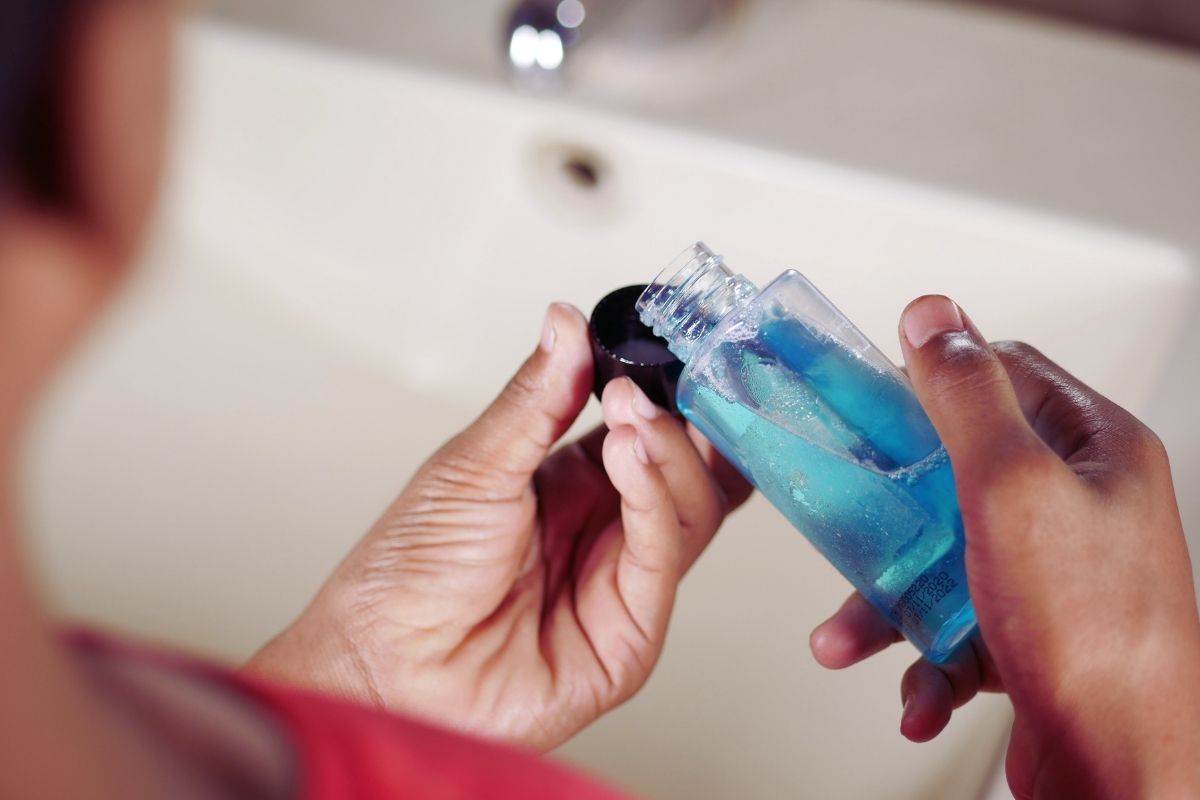
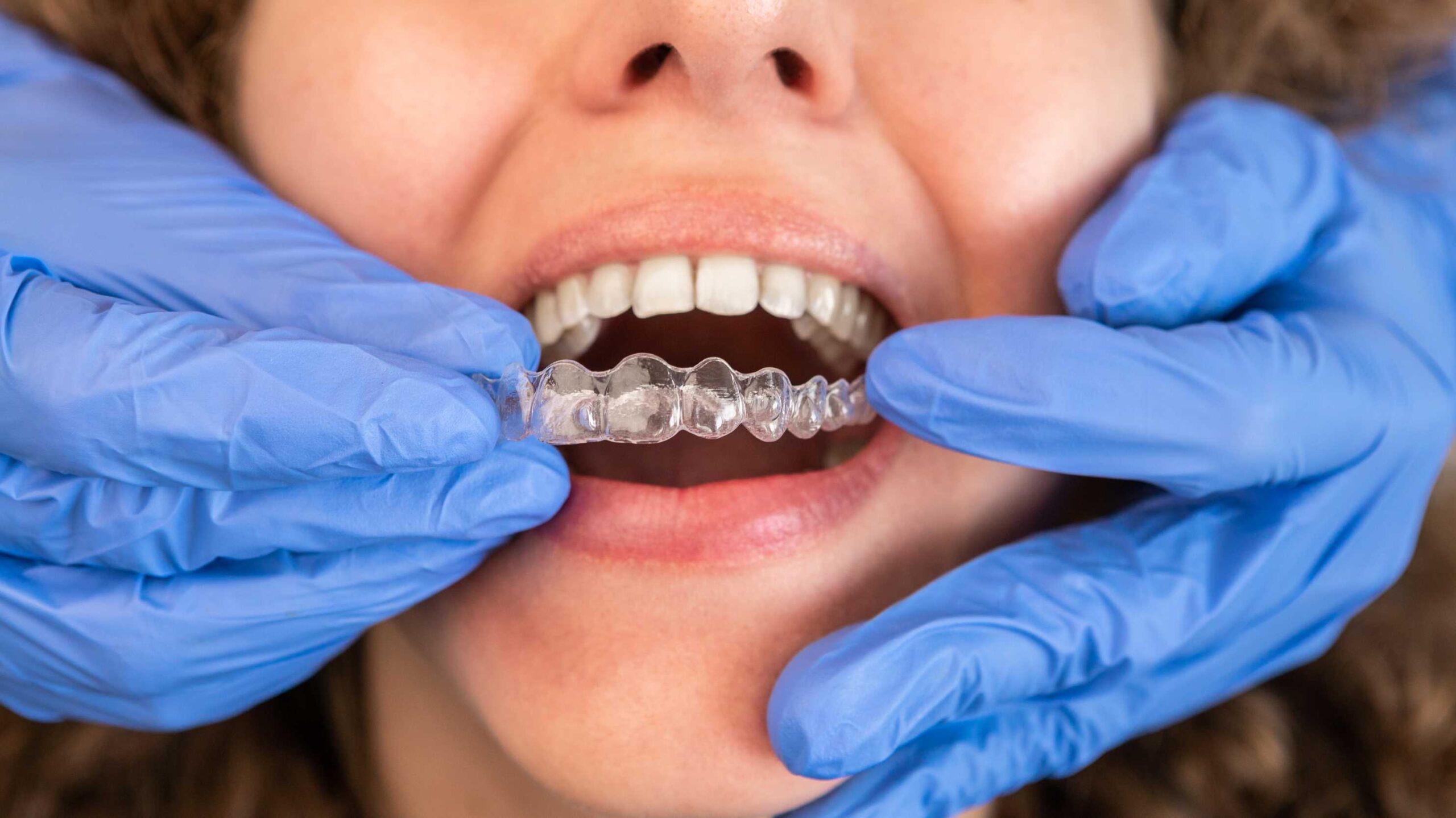
Invisalign aligners have become a popular choice for straightening teeth. They are clear, comfortable, and easy to wear, making them fit naturally into daily routines. With aligners being such an important part of treatment, many patients ask whether alcohol-based mouthwash is safe to use.
The simple answer is that alcohol-based rinses are not recommended during Invisalign treatment. While they do not melt or immediately damage aligners, they can create issues over time.
Understanding Alcohol-Based Mouthwash
Alcohol-based mouthwash has been around for decades. Most popular rinses contain ethanol, which acts as an antibacterial ingredient. The strong taste and slight burning sensation many people associate with these rinses come from the alcohol content.
These rinses are often chosen because they leave the mouth feeling clean and refreshed. They can temporarily reduce bacteria, but they also have some drawbacks. The drying effect of alcohol is one of the most important concerns—especially when Invisalign aligners are being used daily.
How Alcohol Affects Invisalign Aligners
Aligners are made from a medical-grade thermoplastic material. This plastic is durable, clear, and specifically designed to handle the stress of daily wear. Alcohol will not cause aligners to melt, dissolve, or warp immediately.
However, repeated exposure to alcohol may:
- Reduce clarity – Aligners can begin to look cloudy or dull with long-term contact.
- Increase dryness – Alcohol pulls moisture from the mouth, which can lead to less saliva flow.
- Irritated tissues – Gums, cheeks, and tongue may feel more sensitive when rinses are used frequently.
These changes don’t happen in a single use, but the cumulative effect can make aligners less comfortable and overall treatment less pleasant.
Why Dryness Matters During Invisalign Treatment
Saliva plays a vital role in oral health. It helps wash away food particles, neutralize acids, and protect tooth enamel. Without enough saliva, the mouth becomes more vulnerable to plaque buildup, tooth decay, and gum inflammation.
Since Invisalign already limits how much saliva naturally flows across the teeth, adding an alcohol rinse into the mix can make dryness worse. The result can be an increased risk of bad breath, greater chances of cavities, and irritation of the soft tissues.
For people working hard to keep aligners clean and teeth healthy, these are problems worth avoiding.
What Alcohol Mouthwash Does Not Do
It is worth clearing up a common misconception: alcohol mouthwash does not melt or instantly damage Invisalign aligners. Some people worry that one rinse will ruin the trays, but that is not the case.
The concern lies in regular, repeated exposure. Daily or frequent use can slowly contribute to dryness, irritation, or cosmetic changes to the aligners. Using it once in a while in a pinch is not harmful, but making it a daily habit is not recommended.
Safer Mouthwash Alternatives for Invisalign
There are plenty of alternatives that are safe and effective to use during Invisalign treatment:
- Alcohol-free mouthwash – These rinses provide freshness without the drying effect. Many also contain fluoride, which strengthens enamel and helps prevent cavities.
- Antibacterial rinses without alcohol – Some brands use ingredients like cetylpyridinium chloride (CPC) to fight bacteria gently.
- Salt-water rinse – A natural option that soothes gum irritation, especially if soreness occurs early in treatment.
Choosing these alternatives helps keep both the mouth and aligners in good condition throughout the process.
Best Daily Care Practices with Invisalign
A consistent daily routine makes a major difference in how treatment feels and how well it progresses. Good habits include:
- Removing aligners before using any mouthwash.
- Brushing and flossing before reinserting aligners.
- Cleaning aligners with products designed specifically for them—not standard rinses or toothpaste, which can be abrasive.
- Drinking plenty of water to stay hydrated and reduce the effects of dryness.
- Avoiding sugary or acidic drinks with aligners in place.
Following these steps helps maintain clear aligners, fresh breath, and healthy teeth throughout treatment.
When It’s Time to Ask for Guidance
Not every product works well for every person. If aligners appear cloudy, the mouth feels constantly dry, or there are concerns about sensitivity, it’s always best to ask directly.
As a Top 1% Invisalign® Provider, our practice has extensive experience with aligner treatment. That recognition reflects a high level of expertise and understanding of Invisalign care.
If questions arise about which products are safe to use, we encourage reaching out at 561-964-5200. Guidance can make treatment more comfortable and help avoid unnecessary problems.
Conclusion
Alcohol-based mouthwash does not immediately harm Invisalign aligners, but it is not the best choice for daily use. Its drying effect and potential for irritation can make treatment harder than it needs to be.
Safer options such as alcohol-free rinses, fluoride-based rinses, or simple salt-water rinses are better suited for those in Invisalign treatment. Combined with healthy daily care habits, these choices keep aligners clear, protect oral health, and support the best possible outcome.