561-964-5200

Invisalign treatment has revolutionized the world of orthodontics, offering a discreet and comfortable alternative to traditional braces. While its aesthetic benefits are clear, many potential users wonder: Can I talk properly with Invisalign? This concern is understandable, as effective communication is crucial in both personal and professional settings. This blog will explore how Invisalign aligners affect speech and provide tips to ensure smooth, clear conversation during treatment.
How Invisalign Aligners Affect Speech
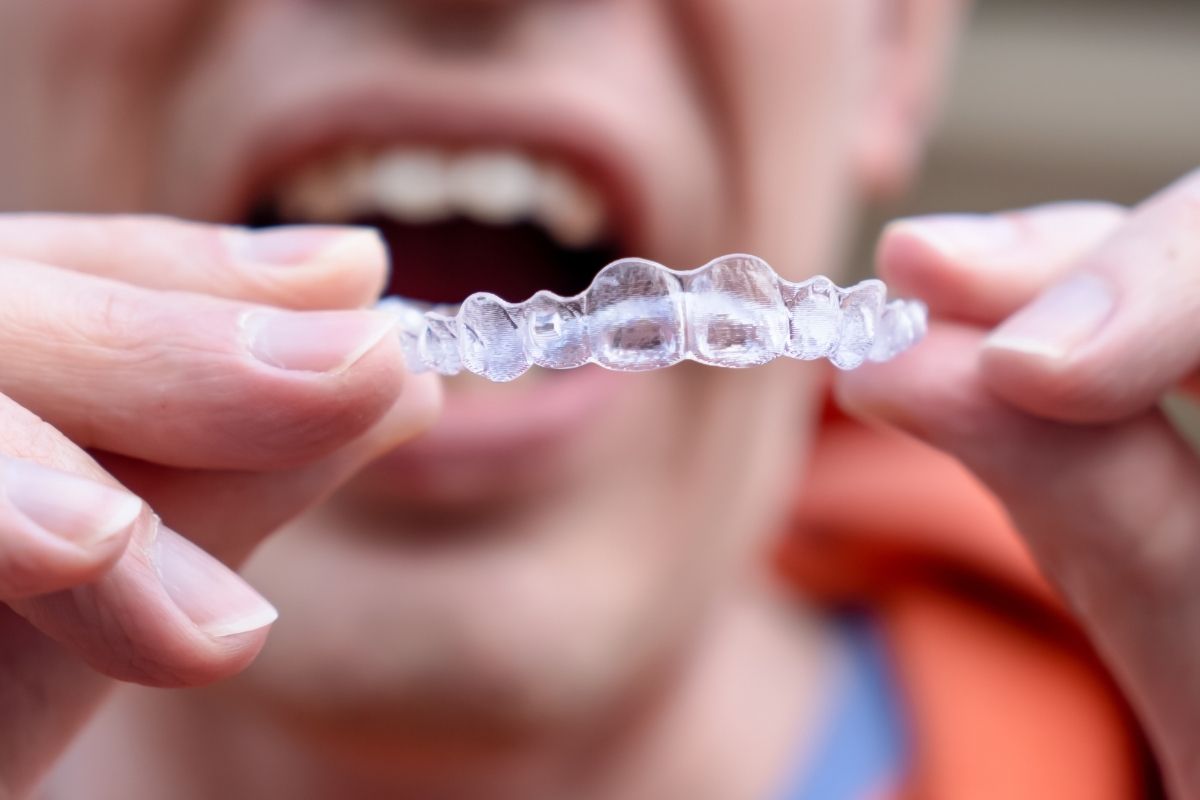
When first starting Invisalign treatment, it is common to experience some changes in speech. This is because the aligners cover the teeth and may slightly alter the way your tongue moves. The most noticeable speech alteration is a slight lisp. This occurs because the aligners create a barrier that the tongue must work around, particularly affecting the pronunciation of “s” and “z” sounds.
However, this speech impediment is typically temporary. Most people adapt to the aligners within a few days to a few weeks. The duration of this adjustment period varies depending on individual factors such as the complexity of the treatment and how often the aligners are worn.
Tips for Speaking Clearly with Invisalign
1. Practice Makes Perfect
One of the best ways to overcome initial speech difficulties with Invisalign aligners is practice. Spend time reading aloud, engaging in conversations, or even singing. This helps your tongue get used to the aligners more quickly and aids in developing muscle memory for clearer speech.
2. Patience is Key
It’s important to be patient during the adjustment period. While the initial lisp or slight speech impediment can be frustrating, understand that it is a temporary phase. Give yourself time to adapt and remember that your speech will improve with practice and persistence.
3. Stay Hydrated
A dry mouth can exacerbate speech difficulties. The aligners can sometimes cause a slight decrease in saliva production, leading to a dry mouth. Drinking plenty of water helps keep your mouth moist, which can improve your ability to speak clearly.
4. Maintain Proper Oral Hygiene
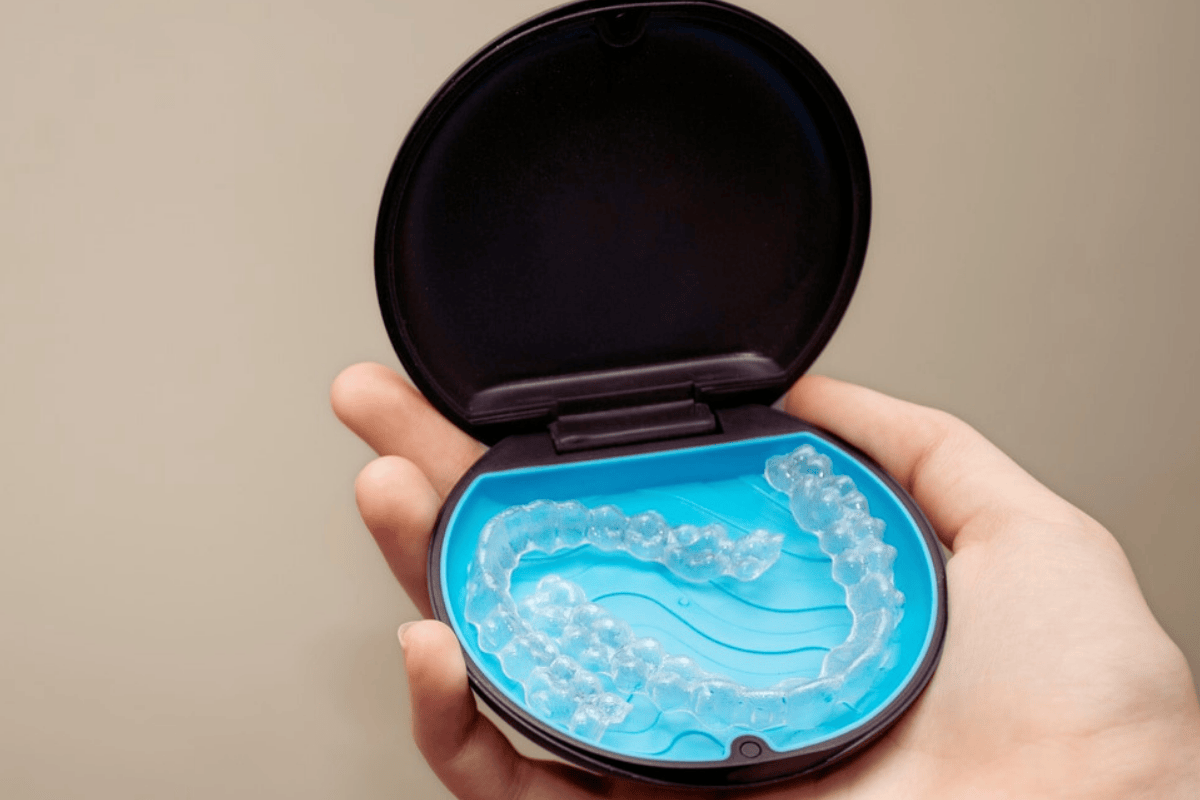
Good oral hygiene is essential during Invisalign treatment, not just for the health of your teeth, but also for clear speech. Clean aligners prevent plaque buildup, which can cause additional discomfort and further impact your speech. Brush and floss your teeth regularly, and clean your aligners as instructed by your orthodontist.
5. Regularly Switch Aligners
As you progress through your Invisalign treatment, you will switch to new aligners approximately every two weeks. Each new set of aligners might briefly affect your speech again, but your mouth will adapt more quickly over time. Stick to the prescribed schedule to ensure your treatment stays on track and your speech adjustments remain minimal.
Professional Guidance and Support to Speak With Invisalign
1. Consult Your Orthodontist
If you find that your speech is significantly affected and not improving over time, consult your orthodontist. They can assess if the aligners fit properly and provide additional tips or adjustments to help you speak more clearly.
2. Use Speech Exercises
Orthodontists can recommend specific speech exercises tailored to your needs. These exercises can expedite the adjustment process and help you regain normal speech patterns more quickly. Don’t hesitate to ask your orthodontist for resources and support.
Can you talk properly with Invisalign? Absolutely! While there may be a brief adjustment period, most people find that they can speak clearly with practice and patience. Invisalign aligners offer a comfortable and discreet way to achieve your dream smile, and any initial speech difficulties are a small price to pay for the long-term benefits. Follow the tips provided, stay in communication with your orthodontist, and before you know it, you’ll be talking as naturally as ever with your Invisalign aligners.