561-964-5200
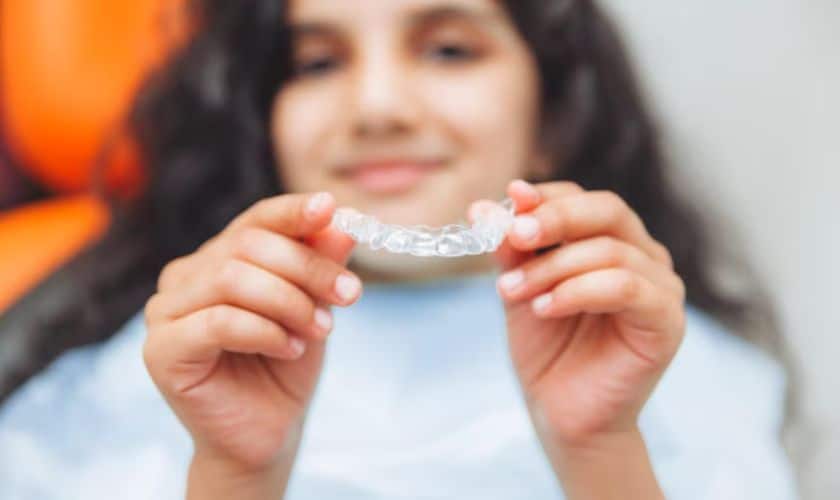
Invisalign has become a popular choice for achieving a straight, confident smile. The clear aligners offer a discreet alternative to traditional metal braces, making them appealing to both teens and adults. But what about even younger patients? Can children benefit from Invisalign treatment?
There’s no single answer to the question of the youngest age for Invisalign. It depends on a variety of factors, including the child’s dental development, maturity level, and commitment to wearing the aligners as instructed. This blog will delve into the possibilities of Invisalign for young patients, exploring the pros and cons, and the ideal age range for different treatment phases.
Invisalign for Young Children (Ages 6-10)
Invisalign offers a treatment option called Invisalign First™ specifically designed for young children between the ages of 6 and 10. This “Phase 1” treatment focuses on gently guiding jaw development and creating space for permanent teeth to erupt properly. Early intervention can address issues like:
- Crowding: When there’s not enough space for all the adult teeth to come in straight.
- Crossbites: When the upper and lower teeth meet incorrectly.
- Underbites: When the lower jaw protrudes further than the upper jaw.
Here are some advantages of using Invisalign First for young children:
- Early intervention: Addressing orthodontic problems early can prevent them from worsening and potentially requiring more complex treatment later.
- Gentler guidance: Invisalign First aligners are made from a softer material compared to adult aligners, making them more comfortable for young mouths.
- Improved aesthetics: A straighter smile can boost a child’s confidence and self-esteem.
However, there are also some things to consider with Invisalign for young children:
- Compliance: Successfully wearing the aligners for the prescribed amount of time (usually 22 hours a day) is crucial for effective treatment. Young children might require more supervision from parents to ensure they keep the aligners in.
- Lost or damaged aligners: Children might be more prone to losing or damaging their aligners, leading to treatment delays and additional costs.
- Baby teeth: Invisalign First is not suitable for all orthodontic issues in young children, especially if they still have a significant number of baby teeth.
Invisalign Teen (Ages 11-18)
For most children, Invisalign treatment becomes more appropriate during the teen years, particularly between the ages of 11 and 18. By this stage, most permanent teeth have erupted, making Invisalign a viable option for comprehensive orthodontic correction. Invisalign Teen offers several benefits over traditional braces for teenagers:
- Discreetness: The clear aligners are nearly invisible, allowing teens to feel more confident about their smile during a self-conscious time in their lives.
- Comfort: Unlike metal braces that can irritate the mouth, Invisalign aligners are smooth and comfortable to wear.
- Dietary freedom: Teens can enjoy all their favorite foods without worrying about damaging brackets or wires.
- Improved oral hygiene: Invisalign aligners are removable, making it easier to maintain proper brushing and flossing.
However, there are still some factors to consider with Invisalign Teen:
- Compliance: While teenagers might be more responsible than younger children, wearing the aligners consistently remains crucial for successful treatment.
- Cost: Invisalign treatment can be more expensive than traditional braces.
- Discipline: Teens might need reminders to change their aligners as instructed and clean them properly.
The Ideal Age for Invisalign Depends on the Individual
Ultimately, the ideal age for Invisalign depends on the individual child’s specific needs and circumstances. Here’s a breakdown of some factors an orthodontist will consider when determining if a child is a good candidate for Invisalign treatment:
- Dental development: The orthodontist will assess the stage of the child’s dental development, including the number of permanent teeth that have erupted.
- Complexity of orthodontic problems: The complexity of the orthodontic issue will influence whether Invisalign is the most effective treatment option.
- Maturity level: The child’s ability to understand and follow instructions regarding aligner wear and care is crucial.
Invisalign can be a valuable tool for achieving a healthy, beautiful smile for children and teenagers. While there’s no single “youngest age” for Invisalign, consulting with an orthodontist during the early stages of dental development (around age 6-7) can be beneficial. The orthodontist can monitor your child’s growth and determine if early intervention with Invisalign First™ is necessary.