561-964-5200
Dental emergencies can happen unexpectedly and often require immediate attention. Knowing when to see an emergency dentist is crucial for preserving your oral health and avoiding further complications. In this blog, we will discuss ten common signs that indicate you need to see an emergency dentist as soon as possible. From severe toothaches to broken teeth and oral infections, understanding these signs will help you seek prompt dental care when necessary. Remember, delaying treatment for dental emergencies can worsen the situation and lead to more extensive and costly procedures. By recognizing the signs and taking action promptly, you can receive the appropriate dental care and alleviate pain or discomfort effectively.
1. Severe Toothache or Facial Pain
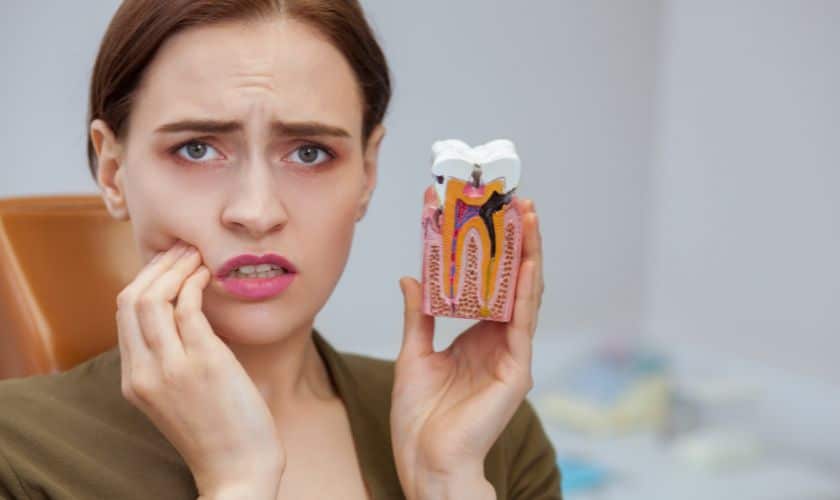
Experiencing severe toothache or facial pain is often a sign of a dental emergency. Persistent, intense pain can indicate an underlying issue such as an infection, abscess, or tooth fracture. If you’re unable to manage the pain with over-the-counter pain relievers or home remedies, it’s essential to see an emergency dentist as soon as possible. Ignoring a severe toothache can lead to further complications and potentially spread the infection to surrounding areas.
2. Knocked-Out Tooth
If you have a tooth knocked out, it is crucial to seek immediate dental attention. Time is of the essence in preserving the tooth. Rinse the tooth gently with water, being careful not to remove any attached tissues. Try to place the tooth back into its socket if possible, or keep it in a container of milk or saliva until you can see an emergency dentist. The chances of saving a knocked-out tooth decrease significantly after the first hour, so it’s vital to act quickly.
3. Broken or Fractured Tooth
A broken or fractured tooth is another clear indication that you need to see an emergency dentist. Whether the damage is caused by a traumatic injury or biting down on a hard object, it requires immediate attention. Rinse your mouth with warm water to clean the area and apply a cold compress on the outside of the mouth to reduce swelling. Avoid chewing on the broken tooth and seek professional dental care as soon as possible to prevent further damage or infection.
4. Loose or Dislodged Tooth
If you have a loose or dislodged tooth, it is crucial to see an emergency dentist promptly. This could be a result of trauma or underlying dental issues such as gum disease. Avoid touching or wiggling the tooth, and try to keep it in place by gently biting down on a clean piece of cloth or gauze. Immediate dental treatment increases the chances of saving a loose tooth and restoring it to its proper position.
5. Severe Oral Bleeding
Severe oral bleeding that does not subside or control itself with gentle pressure is a sign of a dental emergency. It could be caused by a traumatic injury or an abscessed tooth. Rinse your mouth with warm water and apply a clean piece of gauze or cloth to the bleeding area, maintaining gentle pressure. Seek immediate dental attention to determine the cause of the bleeding and receive appropriate treatment.
6. Swelling or Abscess in the Mouth
Swelling or a visible abscess in the mouth indicates a serious dental infection that requires immediate attention. An abscess is a pus-filled pocket that can develop as a result of tooth decay, gum disease, or dental trauma. It is important not to ignore the swelling or abscess, as it can lead to further complications and spread the infection. Contact an emergency dentist to assess the situation and provide appropriate treatment, such as draining the abscess and prescribing antibiotics.
7. Prolonged Jaw Pain or Difficulty Opening/Closing the Mouth
If you experience prolonged jaw pain or have difficulty opening or closing your mouth, it may be a sign of a temporomandibular joint (TMJ) disorder or a dental injury. TMJ disorders can cause chronic pain, headaches, and difficulty with normal jaw movement. Seeking immediate dental care can help diagnose the underlying cause of the symptoms and provide appropriate treatment options.
8. Sudden and Unexplained Tooth Sensitivity
Sudden and unexplained tooth sensitivity, especially when accompanied by pain, could be a sign of a dental emergency. It may indicate an exposed nerve or a dental infection. Avoid exposing the sensitive tooth to extreme temperatures and seek prompt dental care to prevent further discomfort or complications.
9. Lost or Damaged Dental Restoration
Losing or damaging a dental restoration, such as a filling, crown, or bridge, is a dental emergency that requires immediate attention. A damaged or missing dental restoration can leave your tooth vulnerable to further damage and increase the risk of infection. Contact an emergency dentist to have the restoration repaired or replaced promptly.
10. Unexplained Oral Infections
If you notice any unexplained oral infections, such as swelling, redness, or pus around a tooth or in the gums, it is essential to seek immediate dental care. Oral infections can be indicative of underlying dental issues, such as abscesses or gum disease, which require professional treatment to prevent further complications.
The Bottom Line
Recognizing the signs that indicate the need for an emergency dentist is crucial for maintaining your oral health and well-being. Whether it’s a severe toothache, knocked-out tooth, broken tooth, or unexplained oral infection, seeking immediate dental care is necessary to alleviate pain, prevent further complications, and preserve your smile. Don’t hesitate to contact your emergency dentist if you experience any of these signs. Remember, timely intervention can make a significant difference in the success of dental treatments and your overall oral health.