561-964-5200
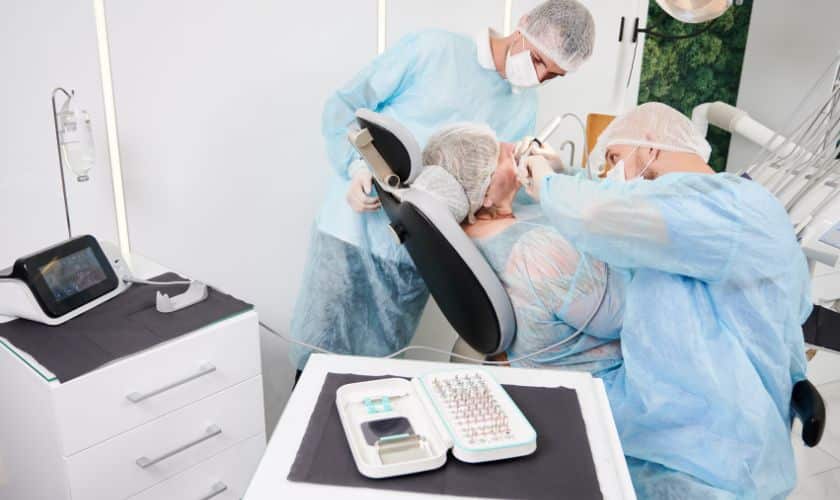
When dental emergencies strike, quick and effective action is crucial to alleviate pain and prevent further complications. Emergency dentist procedures play a pivotal role in addressing urgent oral health issues. In this blog post, we will explore pro tips for ensuring efficient and successful emergency dentist interventions.
Understanding the Importance of Emergency Dentistry
The Critical Role of Emergency Dentists
Emergency dentists are specially trained to handle urgent oral health issues that require immediate attention. From severe toothaches to knocked-out teeth, these professionals play a crucial role in providing prompt and effective care. Their expertise can make a significant difference in preserving dental health and preventing long-term damage.
Pro Tips for Efficient Emergency Dentist Procedures
1. Rapid Response is Key
When a dental emergency occurs, time is of the essence. Seeking prompt assistance from an emergency dentist is essential to address the issue before it worsens. Delaying treatment can lead to increased pain, complications, and even permanent damage. Keep the contact information of an emergency dentist handy for quick access in case of unforeseen dental issues.
2. Maintain Calmness and Assess the Situation
In the face of a dental emergency, it’s crucial to stay calm. Assess the situation to determine the severity of the issue. Whether it’s a chipped tooth, a dislodged crown, or intense pain, understanding the nature of the problem will help you communicate effectively with the emergency dentist. Clear communication ensures that the dentist can provide the most appropriate advice and prepare for your arrival.
3. Preserve and Protect
In some cases, you may need to take immediate action to preserve the damaged tooth or dental work. For instance, if a tooth is knocked out, handle it by the crown (top part) and avoid touching the roots. Place the tooth in a container with milk or saliva to keep it moist. Quick actions like this can enhance the chances of successful re-implantation when you reach the emergency dentist.
4. Have an Emergency Dental Kit
Prepare for unexpected dental emergencies by assembling a basic emergency dental kit. Include items such as sterile gauze, a small container with a lid, pain relievers, and over-the-counter dental cement. This kit can serve as a temporary solution until you reach the emergency dentist and receive professional care.
Common Dental Emergencies and How to Handle Them
1. Knocked-Out Tooth
A knocked-out tooth requires immediate attention. Hold the tooth by the crown, rinse it gently without scrubbing, and try to reinsert it into the socket. If this is not possible, place the tooth in milk or saliva and seek emergency dental care.
2. Severe Toothache
For a severe toothache, rinse your mouth with warm water and gently floss to remove any debris. Avoid placing aspirin directly on the gum, as it can cause burns. Contact an emergency dentist for an assessment and pain relief.
3. Broken or Chipped Tooth
If you have a broken or chipped tooth, save any broken pieces and rinse your mouth with warm water. Use a cold compress to reduce swelling, and seek immediate attention from an emergency dentist.
In times of dental emergencies, knowing how to respond and accessing prompt professional care can make a significant difference in preserving oral health. By following the pro tips outlined above, you can enhance your preparedness and increase the likelihood of a successful outcome when facing unexpected dental issues. Remember, the key is to act quickly, stay calm, and rely on the expertise of emergency dentists to address and resolve urgent oral health concerns.