
561-964-5200
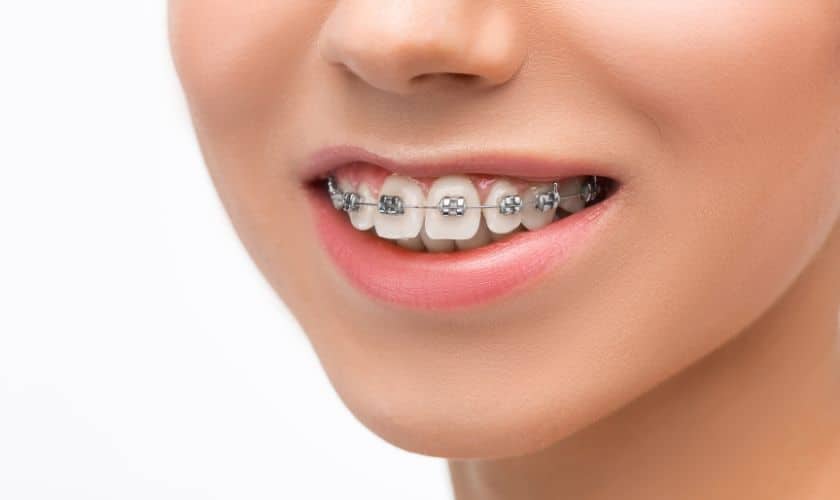
Metal braces are a popular orthodontic solution for straightening teeth and correcting bite issues. While effective, they also require a dedicated oral care routine to ensure both your teeth and braces stay in good condition throughout the treatment process. This guide will walk you through essential tips and practices for maintaining oral hygiene while wearing metal braces.
Why Oral Care Is Crucial During Orthodontic Treatment?
Orthodontic treatment with braces is an investment in your smile, but it also introduces new challenges in maintaining oral health. The metal brackets and wires create additional surfaces where food particles and plaque can accumulate, increasing the risk of tooth decay, gum disease, and staining. Neglecting proper care can lead to complications that may prolong your treatment or affect your overall oral health.
Brushing Techniques for Braces
Brushing your teeth with braces requires a bit more attention and effort than brushing without them. Here’s how to do it effectively:
1. Use the Right Toothbrush: Invest in a soft-bristled toothbrush or an orthodontic toothbrush specifically designed for braces. These brushes have a smaller head and softer bristles, making it easier to clean around brackets and wires.
2. Brush After Every Meal: To prevent food particles from getting stuck in your braces, aim to brush your teeth after every meal. This helps reduce the risk of plaque buildup and cavities.
3. Angle Your Brush: Hold your toothbrush at a 45-degree angle, aiming towards the gum line. Gently brush the top of the brackets, then angle the brush downward to clean the bottom of the brackets.
4. Brush the Biting Surfaces and Backs of Teeth: Don’t forget to brush the chewing surfaces and the back of your teeth. These areas are often neglected but are just as important to keep clean.
5. Use a Fluoride Toothpaste: Fluoride helps strengthen tooth enamel, making it more resistant to decay. It’s a vital component of your oral care routine, especially while wearing braces.
Flossing With Braces
Flossing is essential for removing plaque and food particles between your teeth and around your braces, but it can be tricky with the wires in the way. Here are some tips to make flossing easier:
1. Use Orthodontic Floss Threaders: A floss threader is a small, flexible tool that helps guide dental floss under the wires of your braces. It allows you to reach between your teeth effectively without damaging your braces.
2. Try Interdental Brushes: Interdental brushes are small, cone-shaped brushes designed to clean between teeth and around braces. They are especially useful for getting into tight spaces where regular floss might struggle.
3. Consider Water Flossers: A water flosser, or oral irrigator, uses a stream of water to clean between teeth and around braces. It’s an excellent option if traditional flossing is too challenging or time-consuming.
The Role of Diet in Braces Care
What you eat can significantly impact the effectiveness of your orthodontic treatment and the health of your teeth. While wearing braces, you’ll need to make some adjustments to your diet to protect both your braces and your teeth.
1. Avoid Sticky and Hard Foods: Sticky foods like caramel or chewing gum can get lodged in your braces and are difficult to remove. Hard foods, such as nuts and hard candies, can bend or break the wires and brackets. It’s best to avoid these foods altogether.
2. Cut Food Into Smaller Pieces: To prevent damaging your braces, cut harder foods like apples or carrots into smaller, bite-sized pieces before eating. This makes them easier to chew and less likely to cause issues.
3. Limit Sugary Foods and Drinks: Sugary foods and beverages can increase the risk of cavities, especially with braces. If you do indulge, be sure to brush your teeth shortly after to minimize the risk of decay.
4. Stay Hydrated: Drinking plenty of water helps wash away food particles and reduces the acidity in your mouth, which can help prevent tooth decay.
Regular Dental Check-Ups and Orthodontic Appointments
Even with diligent at-home care, regular dental check-ups and orthodontic appointments are crucial during your treatment. These visits allow your orthodontist to adjust your braces as needed and ensure your treatment is progressing as planned. Your dentist can also perform professional cleanings to remove any plaque or tartar that’s difficult to reach with regular brushing and flossing.
1. Orthodontic Adjustments: These appointments typically occur every 4-6 weeks and are necessary for tightening the braces and making other adjustments to guide your teeth into the desired position.
2. Dental Cleanings: Regular dental cleanings every six months (or more frequently if recommended) help maintain your oral health. Your dentist can clean areas that are difficult to reach with your daily routine, ensuring your teeth stay healthy throughout your orthodontic treatment.
Additional Tips for Braces Care
1. Use an Antimicrobial Mouthwash: An antimicrobial mouthwash can help reduce the risk of gum disease and tooth decay by killing bacteria that brushing and flossing might miss.
2. Wear a Mouthguard During Sports: If you play sports, wearing a mouthguard is essential to protect your braces and teeth from injury.
3. Be Patient and Consistent: Caring for your teeth with braces may require more time and effort, but the results are worth it. Consistency in your oral care routine will lead to a healthier smile and a smoother orthodontic experience.
Proper care of your teeth while wearing metal braces is essential for ensuring successful orthodontic treatment and maintaining your oral health. Following the tips outlined in this guide—brushing effectively, flossing diligently, adjusting your diet, and attending regular dental appointments—you can keep your teeth and braces in top condition. Remember, the extra effort you put into your oral care routine now will pay off with a beautiful, straight smile in the future.