
561-964-5200
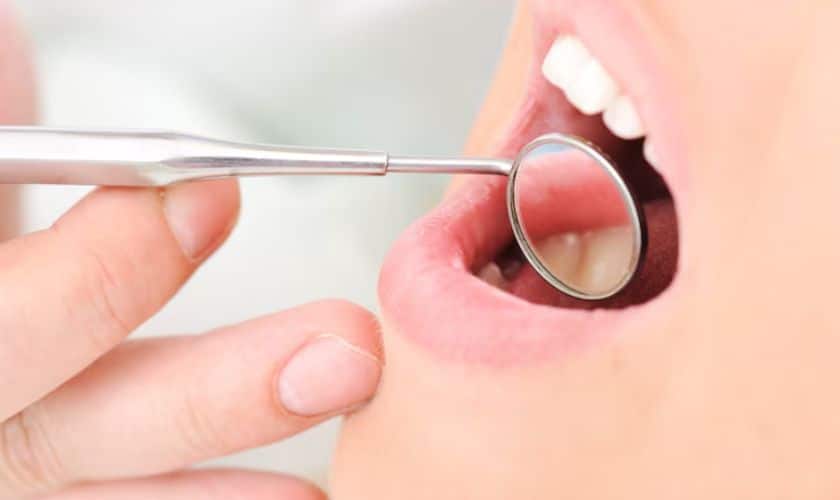
Oral cancer, also known as mouth cancer, is a serious disease that can develop anywhere in the mouth, including the lips, tongue, cheeks, gums, and roof and floor of the mouth. While not as common as some other cancers, it’s important to be aware of the risk factors and take steps to protect yourself.
This blog post will explore the various factors that can increase your chances of developing oral cancer. By understanding these risks, you can make informed decisions about your health and well-being.
Major Risk Factors for Oral Cancer
Several factors can significantly increase your risk of developing oral cancer. Here’s a closer look at the most prominent ones:
-
Tobacco Use: This is the single biggest risk factor for oral cancer. All forms of tobacco, including cigarettes, cigars, pipes, chewing tobacco, and snuff, contain chemicals that can damage the cells in your mouth, leading to cancer. The risk increases with the duration and frequency of tobacco use.
-
Alcohol Consumption: Heavy alcohol consumption, especially when combined with tobacco use, significantly increases your risk of oral cancer. Alcohol weakens the body’s immune system, making it harder to fight off cancer-causing cells.
-
Human Papillomavirus (HPV) Infection: Certain strains of HPV, particularly HPV 16 and 18, are now recognized as a risk factor for some types of oral cancer, particularly oropharyngeal cancers (cancers of the tonsils and base of the tongue). HPV is a sexually transmitted infection, and the risk of HPV-positive oral cancer is associated with the number of lifetime sexual partners.
Other Potential Risk Factors
While not as well-established as the major factors above, other conditions may also influence your risk of oral cancer:
-
Sun Exposure: Excessive exposure to ultraviolet (UV) radiation from the sun can increase the risk of lip cancer.
-
Diet: A diet low in fruits and vegetables and high in processed meats may be linked to an increased risk of oral cancer.
-
Poor Oral Hygiene: Chronic irritation of the mouth’s soft tissues from poor oral hygiene practices like infrequent brushing and flossing may contribute to an increased risk. However, it’s important to note that poor oral hygiene itself doesn’t directly cause cancer.
-
Weakened Immune System: Individuals with weakened immune systems due to conditions like HIV/AIDS or undergoing organ transplant therapy may have a higher risk of oral cancer.
-
Genetics: Some people may have a genetic predisposition to oral cancer due to inherited mutations in certain genes.
Lifestyle Habits that Can Help Reduce Your Oral Cancer Risk
There’s no guaranteed way to prevent oral cancer, but you can significantly reduce your risk by adopting healthy lifestyle habits:
-
Stop Using Tobacco: Quitting tobacco use is the single most effective step you can take to reduce your risk of oral cancer. If you need help quitting, there are many resources available, including nicotine replacement therapy, counseling, and support groups.
-
Limit Alcohol Consumption: Moderate alcohol consumption is generally considered safe. However, if you’re concerned about your risk of oral cancer, it’s wise to limit your alcohol intake.
-
Get Regular Dental Checkups: Schedule regular dental checkups and cleanings with your dentist. During these visits, your dentist will perform a thorough oral cancer screening, which can help detect precancerous lesions early when they’re most treatable. Early detection is crucial for successful treatment of oral cancer.
-
Maintain Good Oral Hygiene: Brush your teeth twice a day with fluoride toothpaste and floss daily to remove plaque and bacteria from your teeth and gums. This helps keep your mouth healthy and reduces irritation.
-
Eat a Healthy Diet: Fill your plate with plenty of fruits, vegetables, and whole grains. These foods contain essential vitamins and antioxidants that can help protect your cells from damage.
-
Limit Sun Exposure: Protect your lips from the sun by using a lip balm with SPF 30 or higher.
-
See Your Doctor Promptly: If you notice any changes in your mouth, such as sores, lumps, or white patches that don’t heal within two weeks, see your doctor or dentist right away.
Oral cancer is a serious disease, but by understanding the risk factors and taking proactive steps, you can significantly reduce your chances of developing it. Early detection is key to successful treatment. If you notice any changes in your mouth that persist, don’t hesitate to schedule an appointment with your dentist or doctor.

