561-964-5200
As parents, we pay close attention to our children’s development, and one area that often raises questions is speech. While some speech patterns are part of normal development, persistent issues like a lisp can be a source of concern. Often, parents assume a lisp is purely a speech pathology issue. While that’s sometimes true, what if we told you that your child’s bite or the position of their teeth could be the surprising culprit?
At McCaffrey Orthodontics, serving the communities of West Palm Beach, we often see a fascinating connection between dental alignment and speech clarity in children. Understanding this link is the first step towards finding the right solution.
Beyond Speech Delay: How Teeth Can Influence a Lisp
A lisp occurs when there’s an incorrect production of “s” and “z” sounds, often involving the tongue positioning. While speech therapy is a vital tool, sometimes the tongue simply can’t get to the right place because of physical obstructions or limitations created by the teeth and jaw structure.
Here’s how dental alignment can contribute to a lisp:
- Open Bite: This occurs when the upper and lower front teeth don’t meet when the mouth is closed, leaving a gap. This gap can allow the tongue to protrude forward between the teeth during speech, leading to an “interdental lisp” (often called a “frontal lisp”).
- Crowding or Gaps: Severely crowded teeth or large gaps between teeth can restrict proper tongue movement or create spaces where the tongue is naturally pushed, affecting the articulation of certain sounds.
- Narrow Palate: A narrow upper jaw can limit the space for the tongue, forcing it into an incorrect position for speech sounds.
- Crossbite: If upper teeth bite inside the lower teeth, it can impact the way the tongue interacts with the teeth and palate, potentially affecting speech.
- Tongue Thrust: This is a habit where the tongue pushes forward against or between the front teeth during swallowing or speech. While a tongue thrust can cause an open bite, an existing open bite can also reinforce a tongue thrust, creating a cycle that affects speech.
The Orthodontist’s Role: More Than Just Straight Teeth
You might wonder, “Why an orthodontist for a lisp?” As orthodontists, our expertise lies in understanding the complex relationship between the teeth, jaws, and facial structures. We look beyond just “straight teeth” to consider the overall health and function of your child’s mouth, including how it impacts chewing, breathing, and yes, even speech.
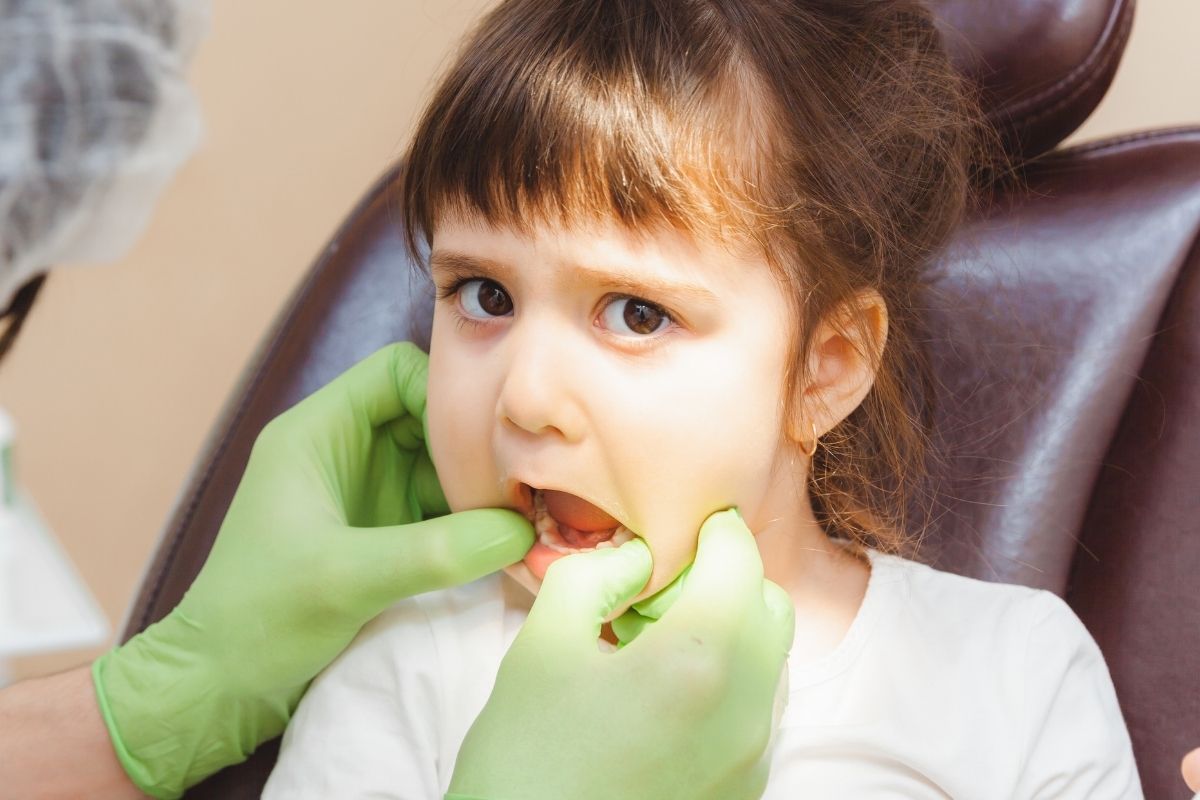
During an initial consultation at our office, we conduct a thorough examination. This includes:
- Visual Assessment: Observing your child’s bite, teeth position, and jaw structure.
- Oral Habits Check: Identifying habits like thumb sucking or prolonged pacifier use that can influence dental development and speech.
- Discussion: Understanding your concerns, your child’s medical history, and any speech therapy they may have received.
Solutions for Speech Clarity: Early Orthodontic Care for Kids
If we identify a dental alignment issue contributing to your child’s lisp, early orthodontic intervention can be incredibly beneficial. We offer a range of patient-focused orthodontic care designed to create optimal conditions for speech development:
- Palate Expanders: These appliances can gently widen a narrow upper jaw, creating more space for the tongue and improving the bite.
- Habit Appliances: For issues like tongue thrust, specific appliances can help retrain the tongue to a more favorable position.
- Early Braces or Aligners: In some cases, targeted braces or aligners can correct specific misalignments that are directly impacting speech.
- Interdisciplinary Approach: We often collaborate with speech therapists. Correcting the underlying dental issue through orthodontics can make speech therapy even more effective, allowing the tongue to finally achieve its correct resting and speaking position.
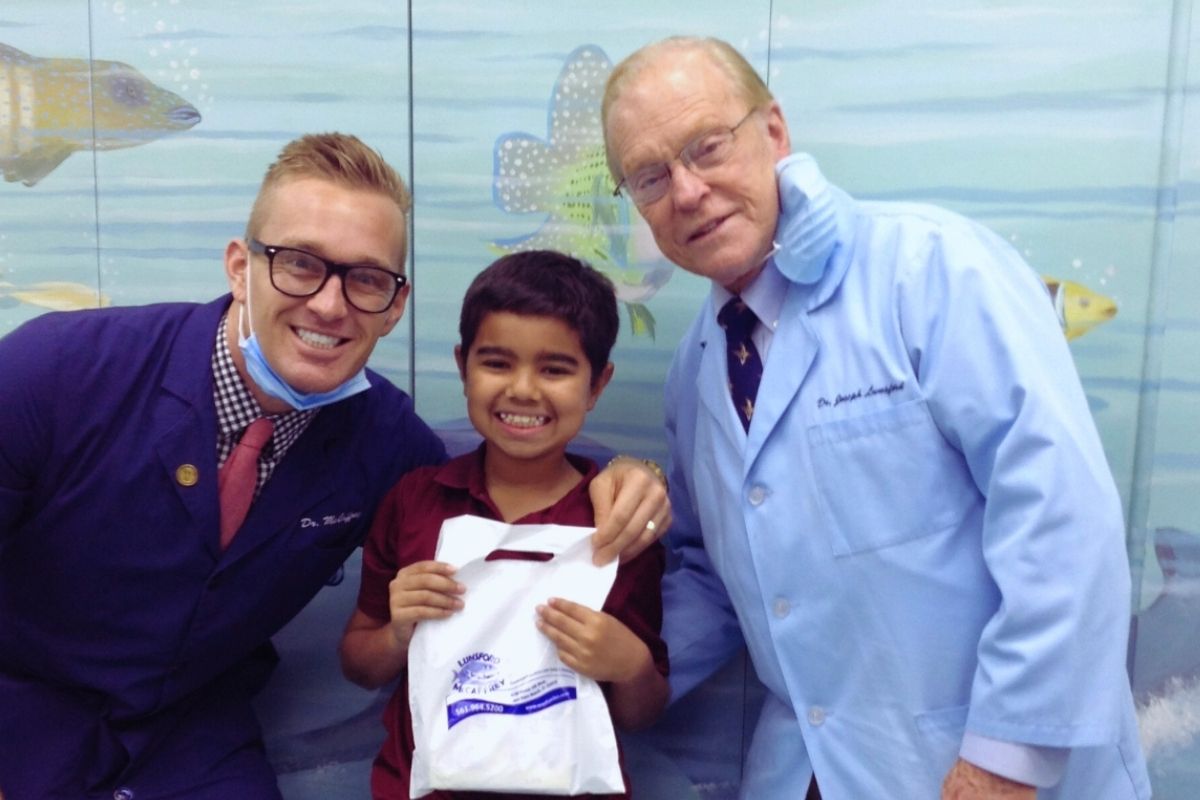
At McCaffrey Orthodontics, we understand that visiting the orthodontist should be a positive experience for children. Our team creates a stress-free environment with fun games and friendly interactions to make every visit enjoyable.
Is Dental Alignment Impacting Your Child’s Speech?
Don’t let a lisp go unaddressed, especially when an underlying dental issue might be at play. Early intervention can make a significant difference in your child’s speech clarity, confidence, and overall oral health.
Contact us today to schedule a consultation at our West Palm Beach office. Let us help you explore how early orthodontic care can set your child on the path to clear speech and a healthy smile.
In Summary:
If your child has a persistent lisp, it might be connected to their dental alignment or bite. Issues like an open bite, crowded teeth, or a narrow palate can prevent the tongue from forming correct speech sounds. An orthodontist can identify these underlying dental causes and provide early intervention treatments like palate expanders or habit appliances, often making speech therapy more successful. Early orthodontic care is crucial for overall oral health and speech development.