561-964-5200

The Temptation of Caramel Apples
Caramel apples are a fall favorite. They show up at fairs, festivals, and family gatherings, and it can be tempting to take a bite even with orthodontic appliances. For patients wearing braces or Invisalign, though, it is important to know how certain foods can affect treatment.
Caramel apples may seem harmless, but they combine two textures that can cause trouble for teeth and orthodontic hardware: sticky caramel and hard apple. Understanding how these affect braces and aligners can help you protect your smile and keep your treatment moving in the right direction.
Why Caramel Apples Are a Problem for Braces
Braces rely on small brackets and wires that gently guide teeth into place. These parts are strong enough to move teeth over time, but can break or bend under certain types of pressure.
When biting into a caramel apple, the hard apple can put too much force on the brackets, and the sticky caramel can pull on them or become lodged around the wires. This not only risks breaking brackets or bending wires but also makes it difficult to clean around them. Trapped sugar and food particles can lead to tooth decay or white spots if not removed quickly.
Even a single bite can create a repair issue and potentially slow down treatment progress. Avoiding foods that are sticky or hard helps keep braces intact and working efficiently.
What About Invisalign?
Invisalign aligners are removable, which offers more flexibility with food choices. However, that does not mean caramel apples are risk-free. Caramel tends to stick to the teeth and linger, creating a layer of sugar that bacteria feed on.
If aligners are placed back on the teeth before brushing and flossing thoroughly, that trapped sugar can increase the risk of plaque buildup, staining, or tooth decay. Invisalign wearers can enjoy more food freedom, but consistent brushing and cleaning are essential before reinserting aligners.
The Sugar and Acid Factor
Caramel is mostly sugar, and sugar feeds bacteria in the mouth. These bacteria produce acids that wear away enamel over time. Apples, although healthy, are also naturally acidic. The combination of sugar and acid can harm enamel if it stays on the teeth for too long, especially when braces or aligners make cleaning more challenging.
Keeping teeth clean and limiting sticky or sugary foods is one of the best ways to protect enamel during orthodontic treatment.
Safer Alternatives for Braces and Invisalign Patients
You can still enjoy the flavors of caramel apples with a few creative and orthodontist-approved alternatives.
- Apple slices with warm caramel dip: Cut the apple into bite-sized pieces and dip lightly into a soft caramel sauce. This avoids biting directly into the apple.
- Caramel yogurt parfait: Combine soft caramel-flavored yogurt with small apple pieces or granola for a soft, sweet treat.
- Baked apples: Warm apples with cinnamon and a drizzle of honey for a soft and cozy dessert.
- Apple smoothies: Blend apples with milk or yogurt and cinnamon for a refreshing option.
- Caramel pudding: Soft, sugar-free caramel pudding provides the same taste without the stickiness.
These options allow you to enjoy fall flavors safely while protecting your orthodontic progress.
What to Do If You Eat a Caramel Apple by Mistake
If you accidentally eat a caramel apple or another sticky food, rinse your mouth thoroughly with water and check for any loose brackets or bent wires. Avoid trying to fix anything yourself. If something feels wrong, consider visiting an orthodontic office for guidance or a quick checkup to ensure your braces are still working properly.
For Invisalign wearers, remove your aligners immediately, brush and floss thoroughly, and clean the aligners before putting them back in. Catching small issues early helps prevent treatment delays.
Foods to Avoid With Braces and Invisalign
Here is a simple guide to help protect your appliances and avoid unnecessary repairs.
Avoid:
- Sticky foods such as caramel, taffy, gummies, and chewing gum
- Hard foods like nuts, popcorn, ice, and hard candies
- Crunchy fruits or vegetables that are not cut into small pieces
- Tough breads or bagels that require a strong biting force
Better Choices:
- Soft fruits such as bananas, berries, and cooked apples
- Steamed or roasted vegetables
- Cheese, yogurt, and other dairy products
- Soft grains, scrambled eggs, and smoothies
Choosing foods that are gentle on your teeth and orthodontic appliances helps your treatment stay on track.
Cleaning Tips During Orthodontic Treatment
- Brush after every meal or snack with fluoride toothpaste.
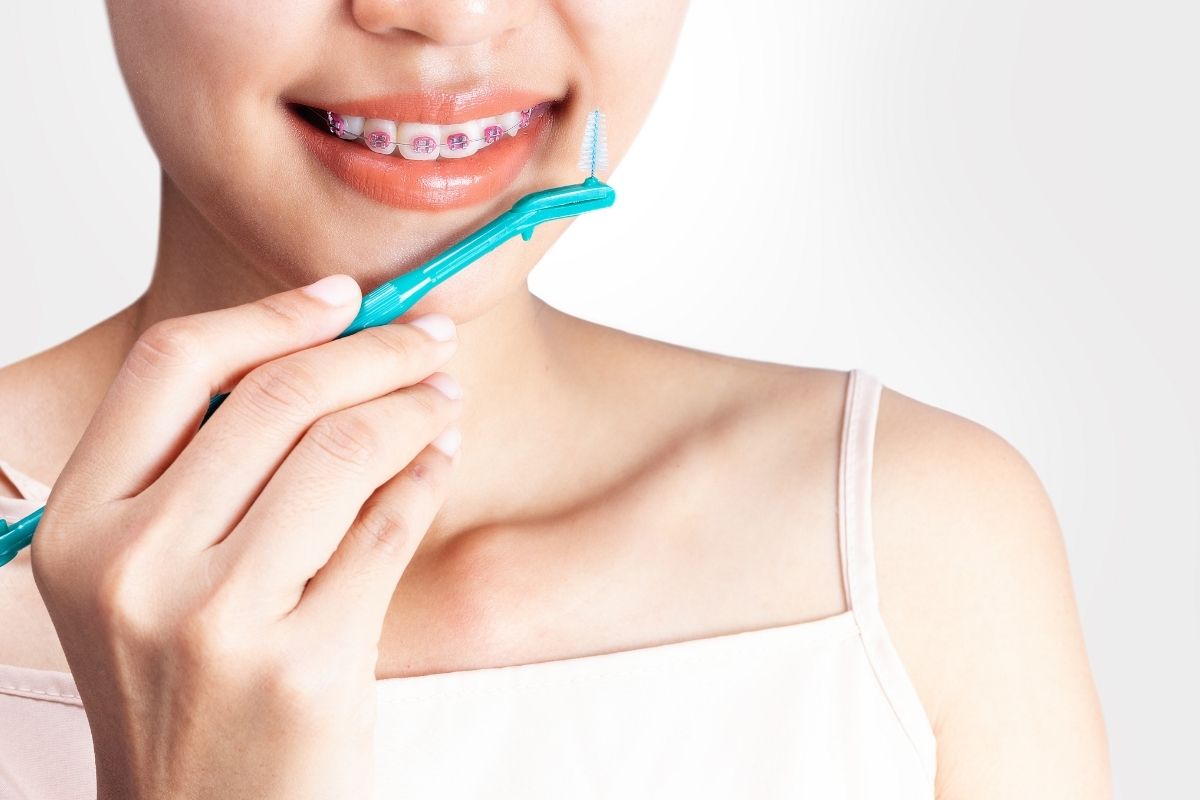
- Floss daily, and use an interdental brush or water flosser to remove debris.
- Rinse with water or fluoride mouthwash to help prevent white spots.
- For Invisalign, clean aligners daily with a mild cleanser or the recommended cleaning solution.
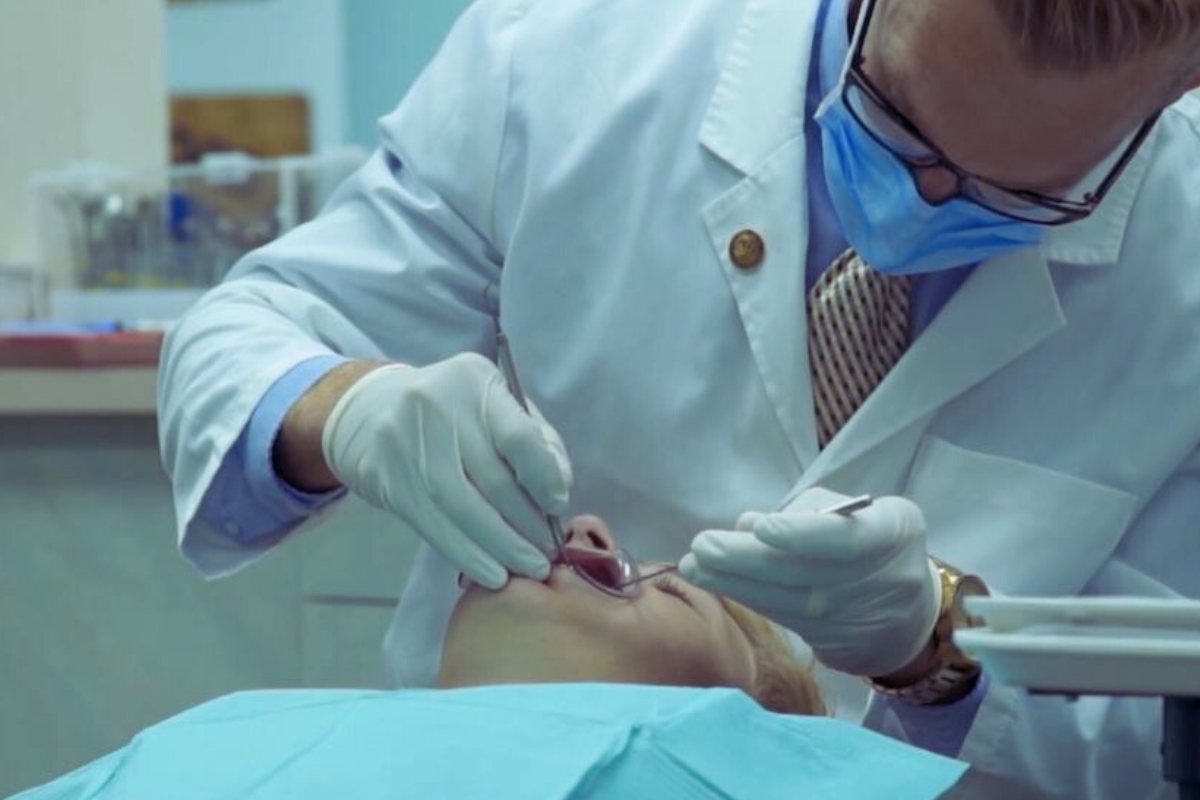
- Visit your orthodontist regularly for adjustments and progress checks.
Good daily habits support both the health of your teeth and the success of your orthodontic treatment.
Protect Your Smile and Enjoy the Season
Caramel apples are delicious, but they can be one of the most damaging treats for braces and a challenge for Invisalign users. With a little awareness and creativity, you can still enjoy seasonal flavors without putting your treatment at risk.
If you live in or near West Palm Beach and have questions about what is safe to eat with braces or Invisalign, the team at McCaffray Orthodontics is here to help. Our board-certified orthodontists provide guidance to make your treatment smooth, comfortable, and effective while helping you maintain great oral health. Contact us today to schedule a consultation or ask any questions about your orthodontic care.
Frequently Asked Questions
1. Can I eat caramel apples with braces?
No. Caramel apples are sticky and hard, which can damage brackets and wires. The caramel also sticks to teeth and increases the risk of cavities.
2. Can I eat caramel apples if I remove my Invisalign trays?
It is safer than with braces, but caramel can still cling to teeth. If you do not brush before putting the aligners back in, the sugar and acid can harm enamel.
3. What happens if I accidentally eat a caramel apple with braces?
Rinse your mouth, check for damage, and call your orthodontic office for guidance. Prompt repairs help prevent treatment delays.
4. What foods should I avoid with braces?
Avoid sticky, chewy, and hard foods such as gum, nuts, popcorn, and hard candy. These can break braces and make cleaning difficult.
5. Are apples safe to eat with braces?
Yes, but only when sliced into small pieces. Biting into a whole apple can loosen brackets or bend wires.
6. What are safer alternatives to caramel apples?
Try apple slices with caramel dip, baked apples, or caramel pudding. These are soft and much safer for braces and aligners.