561-964-5200
Have you ever experienced an orthodontic emergency? Whether you’re a long-time braces wearer or just starting your journey towards straighter teeth, unexpected issues can crop up at any time. From painful broken brackets to loose wires that poke and prod, these emergencies can be downright uncomfortable – but with the right mindset and some helpful tips, you’ll be able to handle them like a pro. In this blog post, we’ll explore everything you need to know about handling orthodontic emergencies when braces bite back. So sit tight (but not too tight!) and let’s get started!
What is an Orthodontic Emergency?
An orthodontic emergency is any type of dental or mouth injury that requires immediate treatment. This can include anything from a chipped tooth to a loose bracket. If you are experiencing any type of pain or discomfort, it is important to see an orthodontist as soon as possible.
There are a few things you can do at home to help alleviate pain and discomfort until you are able to see an orthodontist. For example, if you have a loose bracket, you can try to reattach it with orthodontic wax. If you have a wire that is poking into your cheek, you can use a cotton swab to push it back into place. It is also important to keep your mouth clean and free of food debris by brushing and flossing regularly.
If you are experiencing any type of pain or discomfort, do not hesitate to contact your orthodontist right away. They will be able to provide you with the necessary treatment to help resolve the issue.
Causes of Orthodontic Emergencies
There are a few different orthodontic emergencies that can occur. The most common is when brackets or wires come loose and poke into the cheeks or gums. This can happen if you eat something hard, chew on your nails, or play with your braces. If this happens, try to gently push the wire back into place with a cotton swab or pencil eraser. If you can’t get it back in place, put some wax over the sharp part to protect your mouth. You should also see your orthodontist as soon as possible so they can fix it.
Another common emergency is when your rubber bands break or come off. Again, this can happen if you eat something hard or chew on your nails. If you notice that your rubber band has broken or come off, call your orthodontist right away so they can give you a new one.
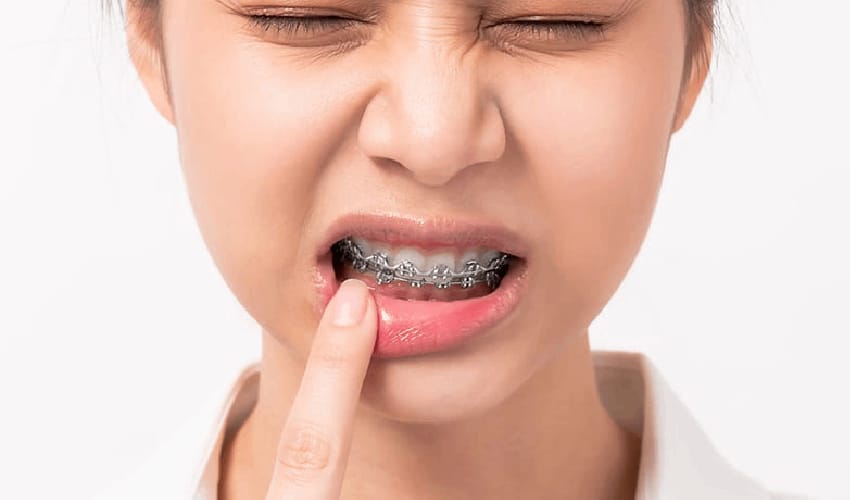
The last type of emergency is when you have pain in your teeth or jaw. This could be a sign that your bite is off or that something is wrong with your braces. If you’re in pain, call your orthodontist to make an appointment so they can take a look and see what’s going on.
Symptoms of Orthodontic Emergencies
If your child is experiencing any of the following symptoms, they may be experiencing an orthodontic emergency:
– Intense pain in the mouth or jaw
– A wire poking out of the braces and causing discomfort
– A loose bracket or band that is irritating the gums or tongue
– Swelling in the mouth or face
– Bleeding from the mouth or gums
If you believe your child is experiencing an orthodontic emergency, please call our office immediately so we can assess the situation and provide relief.
How to Handle Common Orthodontic Emergencies
If your braces break or come loose, it’s important to see your orthodontist right away. In the meantime, there are a few things you can do to make yourself more comfortable:
-If a wire poking out of your braces is causing discomfort, try using a cotton swab or pencil eraser to push it back into place.
-If a bracket comes loose, try to reattach it with dental wax. If that doesn’t work, you can remove the bracket completely by gently pushing it off with pliers.
-In the event of a severe mouth injury, call your orthodontist or go to the emergency room immediately.
How to Avoid Orthodontic Emergencies
No one wants to deal with an orthodontic emergency, but it can happen. Here are some tips on how to avoid them:
1. Keep your teeth and braces clean. This will help prevent food from getting stuck in your braces and causing pain or irritation.
2. Be careful when you eat. Avoid hard or sticky foods that can damage your braces or cause discomfort.
3. Follow your orthodontist’s instructions. If you’re not sure about something, ask!
4. Keep an orthodontic emergency kit handy. This should include things like floss, a toothbrush, and pain relievers in case of discomfort.
When to Seek Professional Help for an Orthodontic Emergency
If you experience any pain or discomfort from your braces, it is important to seek professional help right away. While some soreness is to be expected when you first get braces, persistent or severe pain is not normal. You should also seek professional help if you experience any other problems with your braces, such as a loose bracket or wire.
If you are not sure whether you are experiencing an orthodontic emergency, you can always call your orthodontist for guidance. They will be able to tell you whether you need to come in for an appointment or whether the problem can be resolved over the phone.
Orthodontic emergencies can be a scary and painful experience, but with the right knowledge, they don’t have to be. We hope this article has given you some insight into what to do in the event of an orthodontic emergency. If you ever find yourself dealing with one such emergency, remember to stay calm and seek help from your orthodontist or dentist as soon as possible. And if all else fails, we wish you luck tackling that stubborn bracket!